
Why tooth gaps are worth checking early
A small space between front teeth may look harmless, but gaps can trap food, make plaque control harder and sometimes create uneven pressure when you bite. In some cases the gap has been there since childhood. In others it develops later because of gum issues, tooth movement, missing teeth or wear.
At our Sandton practice we often see patients from Bryanston, Rivonia and Morningside who say the gap only bothers them in photos, then they realise the same space is also collecting food and making one tooth chip repeatedly. That is usually the point where treatment starts to make practical sense, not just cosmetic sense.
- Food packing between teeth can lead to sore gums
- Small gaps may get wider over time if the bite is unstable
- Front tooth spaces can affect speech in some people
- A missing back tooth can shift other teeth forward and create new spaces
First step: find out why the space is there
Before choosing a treatment, the dentist needs to check whether the gap is caused by tooth size, jaw shape, gum health or a missing tooth. If the gums are inflamed or there is active decay, that must be treated first. If a tooth is missing, the plan is different from a case where the teeth are simply narrow or slightly tilted.
In Johannesburg, many patients want a fast fix, especially if they are working in Sandton and do not want repeated visits during the week. That is understandable, but the best result comes from matching the treatment to the cause. A gap closed too quickly without checking the bite can reopen later or put pressure on nearby teeth.
- Check for gum disease before closing a gap
- Confirm whether any teeth are missing or under-sized
- Look at your bite from the side, not only from the front
- Ask whether the space is stable or likely to move
When dental bonding is the quickest fix
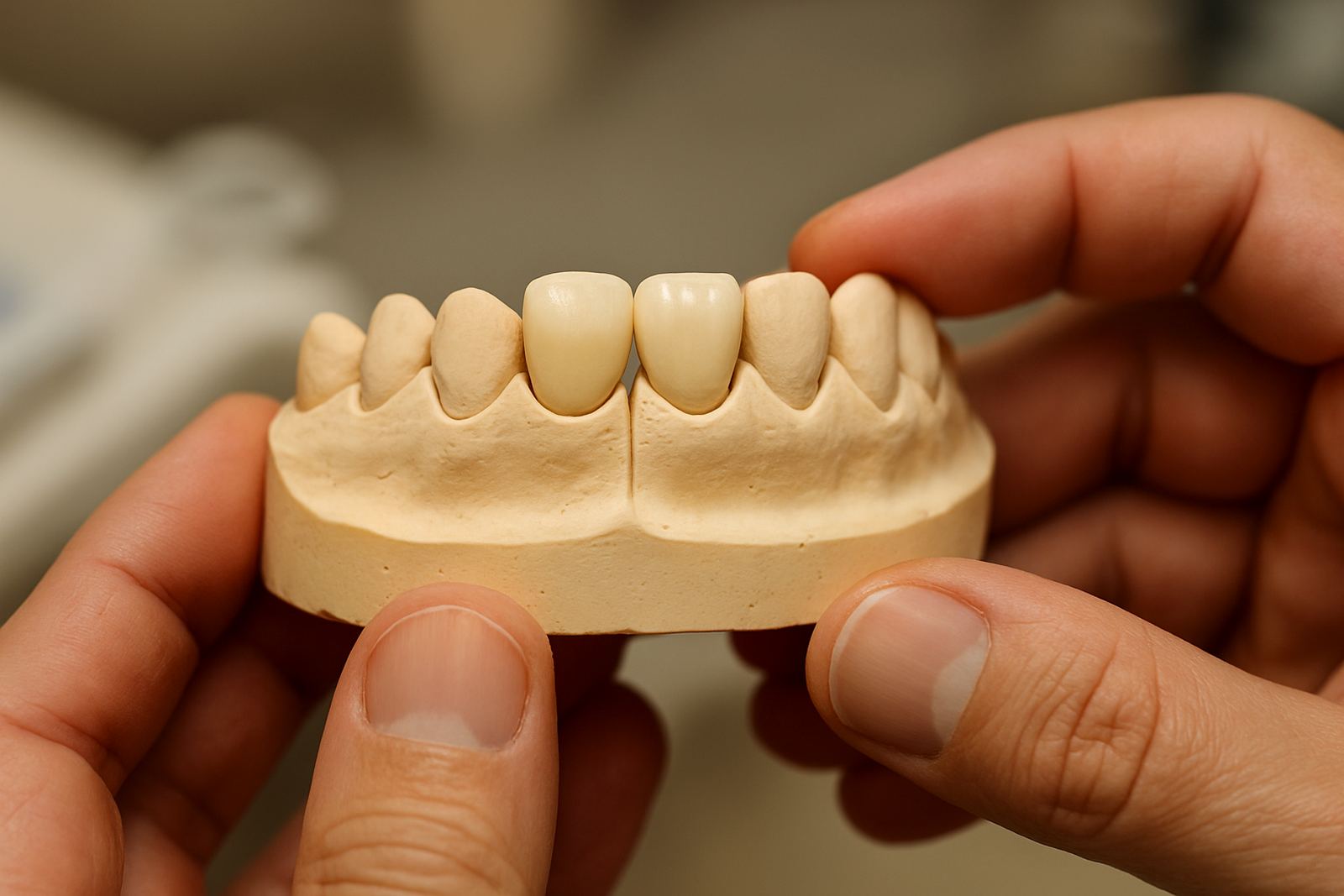
For small spaces between front teeth, bonding is often the most direct option. A tooth-coloured material is shaped onto the edges of the teeth to close the gap and refine the smile. It is useful when the space is modest and the surrounding teeth are in good condition. The appointment is usually straightforward and does not require major tooth reduction.
Bonding works well for patients who want a conservative approach, especially if they are not ready for orthodontic treatment. It can also be a sensible choice when one tooth is slightly smaller than the other and the gap is really a proportion problem rather than a big alignment issue. The main drawback is that bonded areas may chip or stain over time, so good maintenance matters.
- Best for small to moderate front tooth spaces
- Usually completed in one visit or two visits
- Good for patients who want to avoid aggressive tooth preparation
- Needs careful cleaning and occasional repair
When aligners or braces are the better long-term answer
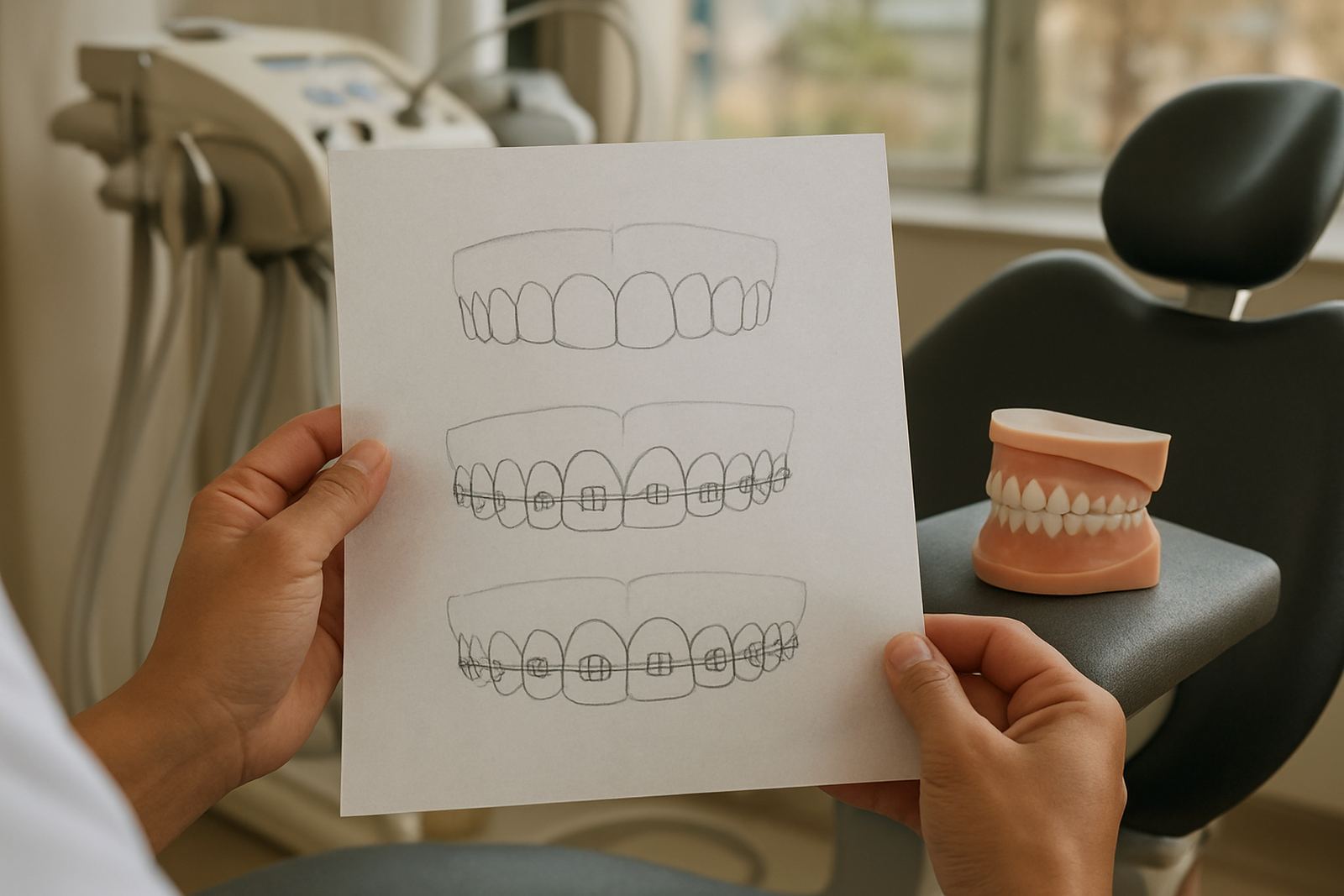
If the teeth themselves are spread apart, angled or have drifted after tooth loss, orthodontic treatment may be the better choice. Clear aligners or fixed braces move the teeth gradually into better positions, which can close gaps while also improving the bite. This takes longer than bonding, but the result is often more stable.
Adults in Fourways and Rosebank often ask whether orthodontics is only for teenagers. It is not. Many adults choose aligners because they want a more discreet option while still working or travelling. The key is whether the gap can be closed safely without overloading the front teeth or creating new spaces elsewhere.
- Better for multiple gaps or teeth that have shifted
- Can improve bite function, not only appearance
- Works well when spaces are linked to crowding or drifting
- Requires patience and consistent follow-up
What if the gap is from a missing tooth
When a tooth is missing, the gap may need a different solution altogether. Depending on the site and the bone support, an implant planning process may be suitable, or the teeth beside the space may need orthodontic movement before any final restoration is placed. This is where careful planning matters, because the wrong sequence can create a lot of extra work later.
For patients who have lost a tooth years ago, the nearby teeth may already have tilted slightly. In those cases a combined plan often gives the best result. At Techno-Dent Clinic, that may involve implant planning, orthodontic assessment and aftercare follow-ups so the final spacing looks natural and the bite remains comfortable.
- Missing teeth often need a plan, not just a cosmetic cover-up
- Nearby teeth may have shifted into the empty space
- Jawbone support must be checked before implant work
- Sequence matters: spacing first, restoration second in many cases
Keeping the result stable in Sandton conditions
Once a gap is closed, maintenance is part of the job. People who travel between Sandton, Bryanston and the inner city often keep a busy routine, so the treatment needs to fit real life. Good brushing, flossing or interdental cleaning, and regular checks help stop the space from reopening or the surrounding teeth from wearing unevenly.
During load-shedding, some patients delay treatment because they worry about appointments or aftercare. The truth is that most gap-fixing options can be planned around a practical schedule, with clear instructions for what to eat and how to clean the area. If you grind your teeth at night, bite protection may also be discussed, especially where bonding or orthodontic movement has been done.
A local example is a Rivonia patient who came in with a small front gap that had slowly widened after a back tooth was lost. The final plan was not one single treatment. It involved assessment, orthodontic movement and careful finishing so the smile stayed even and the bite felt normal again.
Choosing a treatment that suits the person, not just the gap
There is no single answer for every gap. A young adult with a small space may do well with bonding. Someone with several spaces and shifting teeth may need orthodontics. A patient with a missing tooth may need implant planning or a combined approach. The right option depends on the size of the gap, the health of the gums, the bite and the patient’s timeline.
If you are weighing up the options, it helps to ask practical questions rather than only cosmetic ones. How long will it last? Will it affect cleaning? Does it protect the teeth next to it? Will it still look good in a year or two? Those answers usually guide the best decision far better than a quick fix alone.
For patients across Sandton, Rosebank and the surrounding areas, the aim is simple: close the space in a way that makes sense for daily life, not only for the photo. That is how a small gap becomes a well planned treatment, not a rushed repair.