
Why veneer pricing is rarely one fixed figure
When patients ask what veneers should cost, the honest answer is that it depends on the mouth in front of us. Two people can want the same brighter smile, but one may need only minor colour correction while the other needs bite assessment, gum care and more detailed planning before a single veneer is placed.
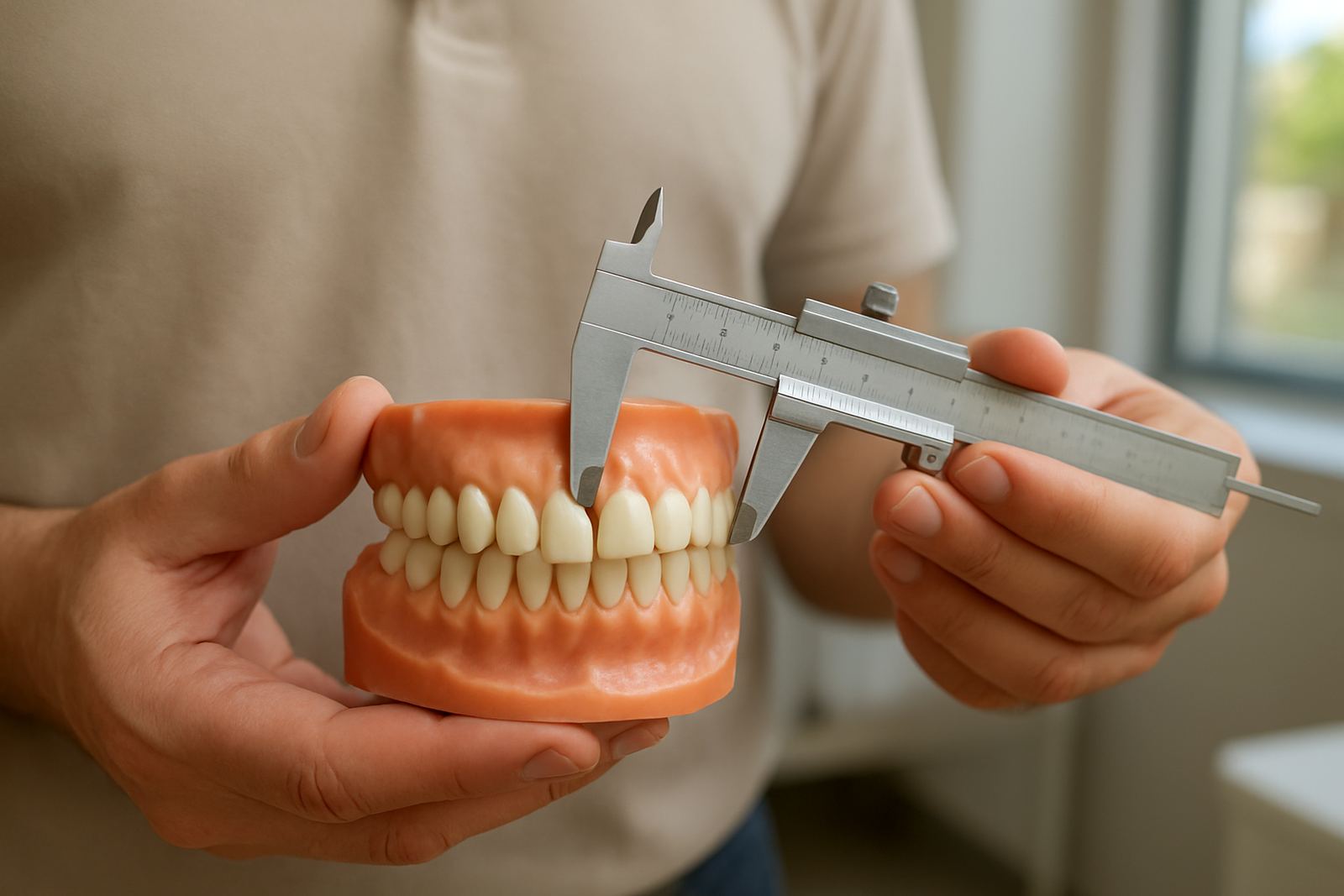
At our Sandton practice, we usually look at the full picture first. That includes the shape of the teeth, the space available, wear from grinding, old fillings and whether any nearby teeth need treatment before cosmetic work can start. If these points are missed, the final result can look fine at first but may not last as well.
It also matters whether the plan is for a few front teeth or a full smile line. A patient replacing two chipped incisors will naturally have a different treatment plan from someone doing eight upper veneers for a broader change in colour and shape.
The condition of the teeth before treatment starts
Pre-existing dental work is one of the biggest cost factors. Veneers are not usually the first step if there are active cavities, gum inflammation or broken fillings. Those issues must be managed first or the veneer margins may be compromised later.
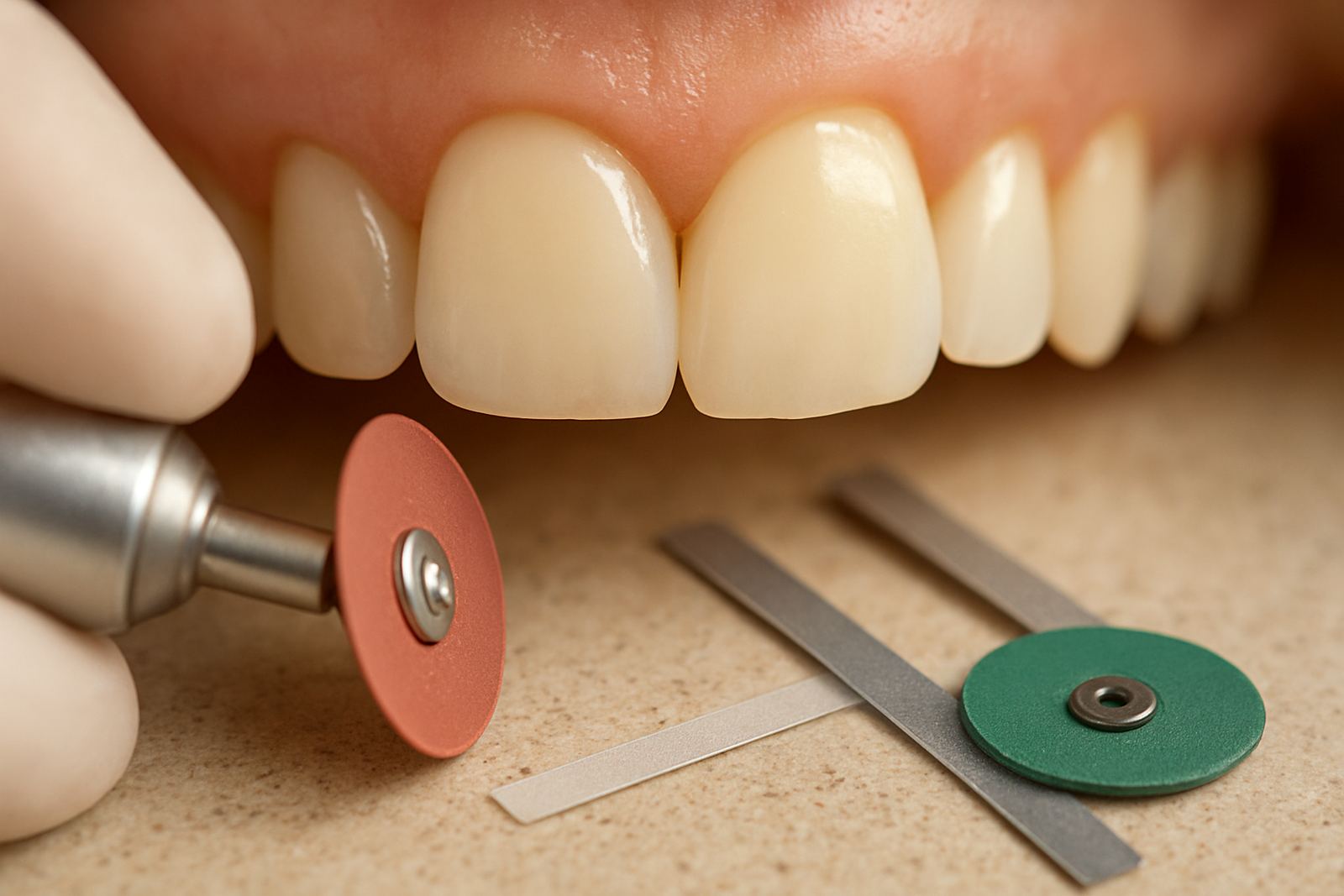
In some cases, the teeth are healthy and only need conservative preparation. In others, a patient may need whitening first, old restorations removed, or a short course of preventive care before cosmetic treatment can be planned properly. That extra work adds time and cost, but it is part of getting a result that holds up.
- Active decay or leaking fillings must be treated before veneers
- Gum health may need attention if there is bleeding or swelling
- Teeth with heavy wear or chips often need more careful preparation
- Grinding habits can mean the patient needs a night guard after treatment
If the bite is unstable, veneers can chip sooner than expected. So the upfront cost is often tied to how much correction is needed before we even start on the visible front surface.
Material choice changes the price and the result
Not all veneer materials cost the same. Some options are thinner and more cosmetic in appearance, while others are chosen for strength, stain resistance or a particular finish. The choice usually depends on the tooth position, bite forces and the look the patient wants.
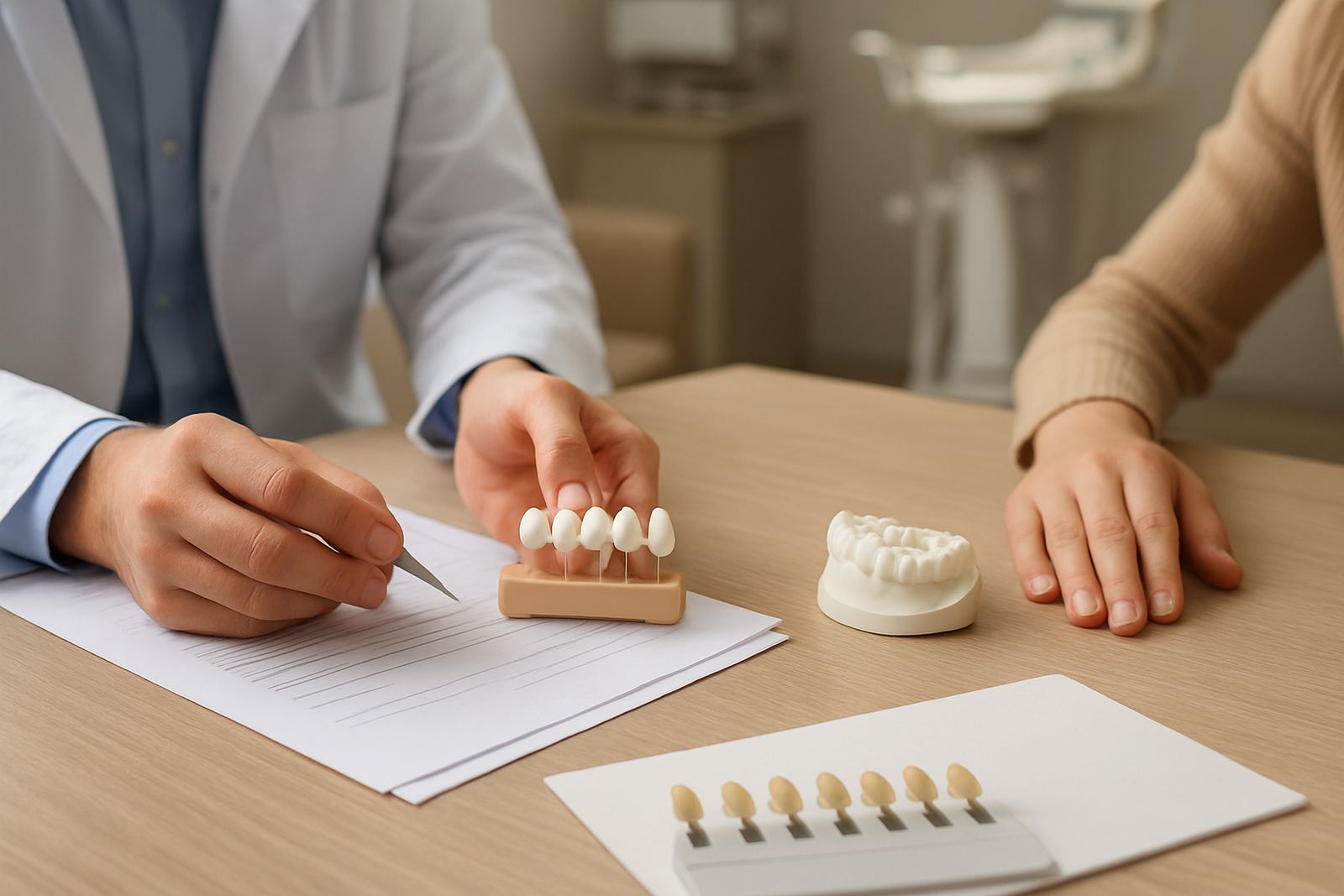
A veneer on a front tooth that is highly visible from the street side may need a different finish from one that sits slightly back in the smile. Shade matching also affects the plan. Natural-looking work can require more than one shade or custom characterisation, which can increase lab fees.
For patients who want a very natural result, there is often more back-and-forth between the clinic and the technician. That extra coordination is worth it, but it does add to the overall treatment cost.
How many teeth are being treated
The number of veneers is one of the clearest pricing factors. Some patients only need one or two teeth improved after an accident, while others want a wider cosmetic change across the upper front teeth. More teeth mean more planning, more preparation and more time in the chair.
It is also common for patients to think about symmetry. If one front tooth needs a veneer, the tooth beside it may need the same treatment to match colour and shape. That can change the scope and cost of the case even when the original concern seemed small.
- 1 to 2 veneers may suit minor repair or colour matching
- 4 to 6 veneers are common for a smile refresh
- 6 to 10 veneers may be used when the whole smile line is being changed
- More teeth usually means more appointments and lab work
In practice it can vary a lot, especially if gums need sorting or the patient wants a highly uniform look. The best plan is the one that fits the smile line, not just the mirror image.
Planning, scans and the work before the first appointment
Good veneer treatment starts with planning. Digital photographs, measurements and bite checks help us see how the teeth move and where the final edges should sit. In a busy area like Sandton, patients often want treatment that fits around work meetings and traffic, so careful planning helps reduce repeat visits.
Some cases need diagnostic mock-ups or trial shapes before the final veneers are made. That allows the patient to see the direction of treatment and helps the dentist check speech, lip support and tooth length. More detailed planning usually means a better result, but it also adds to the cost structure.
Where a patient has a deep bite, jaw tension or uneven wear, planning can take longer because the veneers must work with the bite, not against it. That is especially important for people who clench at night, since force on the front teeth can shorten the lifespan of cosmetic work.
Local factors that affect treatment in Sandton and nearby areas
In Johannesburg, veneer costs can also reflect the practical side of running a dental case. Patients from Sandton, Bryanston, Rivonia, Morningside, Fourways and Rosebank often ask for appointment times that fit school runs, office hours and commuting. That makes scheduling and follow-up part of the treatment plan.
Load-shedding, traffic and short notice cancellations can affect how appointments are staged, especially when multiple visits are needed for scans, shade selection and fitting. For patients who travel in from farther out, it helps to group steps where possible so the case moves forward without unnecessary delays.
- Appointment timing may affect how quickly treatment is completed
- Follow-up visits are easier when the clinic is central to the patient’s route
- Emergency dentistry may be needed first if a veneer tooth is damaged
- Aftercare follow-ups can add value by checking comfort and bite
For coastal patients, humidity and travel are not the issue in Sandton, but dryness from air conditioning and long office days can still make aftercare advice important. A simple checklist after treatment helps protect the result.
What patients should ask before saying yes to veneers
The clearest way to understand cost is to ask what the quote includes. A proper veneer plan should not only cover the visible tooth work, but also the diagnosis, records, shade work, fitting and any follow-up needed after placement. If extra treatment is likely, it should be explained upfront.
It also helps to ask whether payment guidance is available, what the expected timeline is, and whether any initial treatment is needed first. Patients should know if sedation options are appropriate, especially if they are nervous or need several teeth done in one visit.
At Techno-Dent Clinic in Sandton, we prefer to explain the cost factors clearly before treatment begins. That way patients can make a proper decision, with no surprises once the case is under way.