
Why teeth change colour in the first place
Most people notice whitening when coffee, tea, red wine, curry, or smoking starts to leave teeth looking dull. Age matters too, because enamel thins over time and the yellow dentine underneath shows through more. In Johannesburg, where busy mornings often mean one too many coffees on the go, staining can build up quicker than people expect.
Not every dark tooth responds the same way. Surface stains usually lighten well, while deeper colour changes from medication, trauma, or older fillings may need a different plan. That is why a proper checkup matters before you buy a product off the shelf or book a quick session at random.
What professional whitening actually does
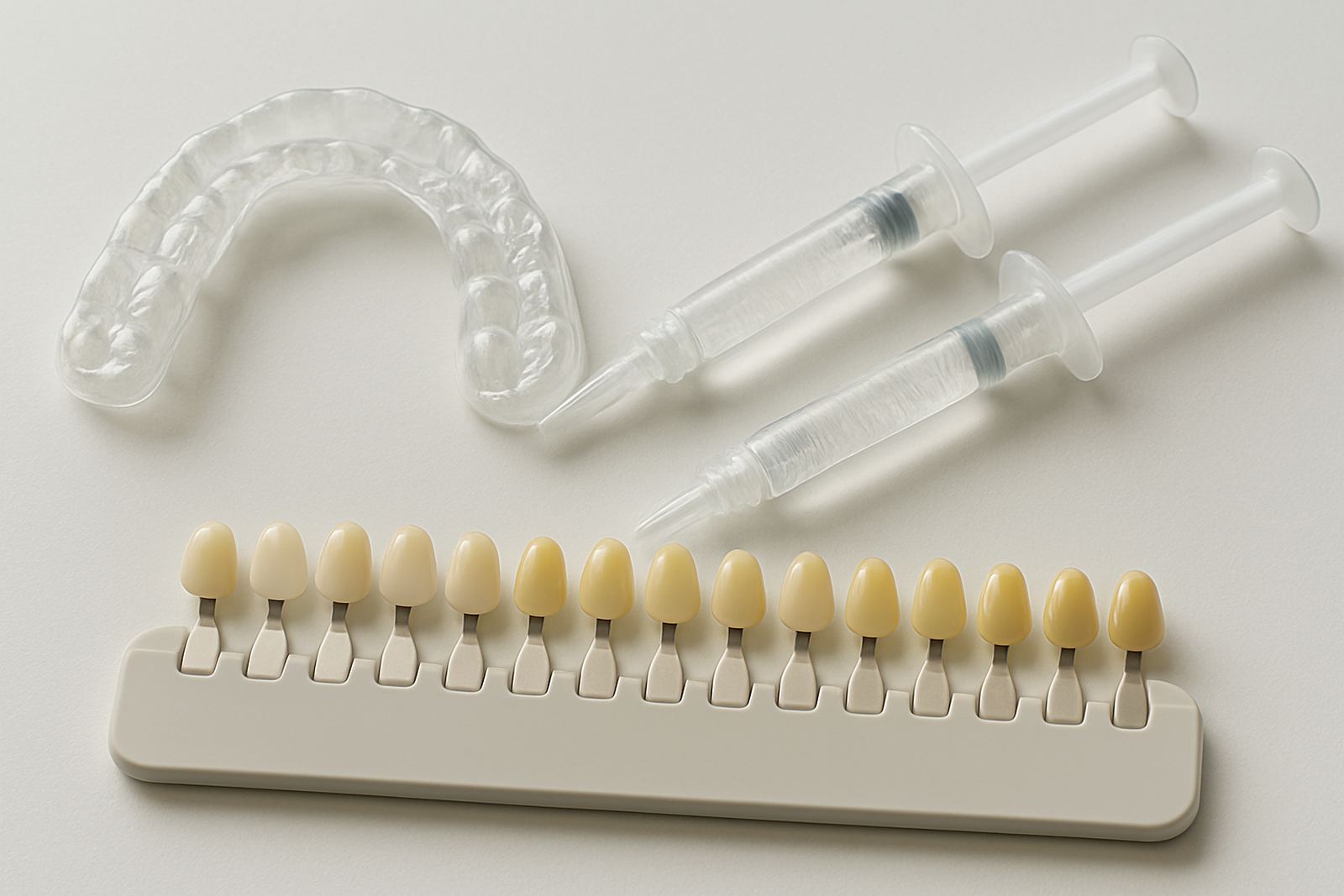
Whitening gels work by releasing oxygen molecules that break apart stain particles. In a supervised setting, the gel strength, timing, and method are matched to your teeth and gum health. That gives more control than guessing at home, where too much gel or poor fitting trays can cause sore gums and patchy results.
At a Sandton clinic, whitening is usually planned after a basic exam and cleaning if needed. The dentist looks for decay, gum inflammation, leaking fillings, cracked enamel, and sensitivity before starting. If there is active disease, whitening can wait until the mouth is settled and the result has a better chance of lasting.
The step by step process from first visit to final shade
Whitening is not just gel on teeth. It usually starts with a consultation, where the dentist checks whether you are a good candidate and discusses what shade change is realistic. Some patients want a small lift for an event, others want a more noticeable change for everyday confidence.
A typical supervised plan may include:
- an oral exam and shade assessment
- a cleaning to remove plaque and heavy surface stains
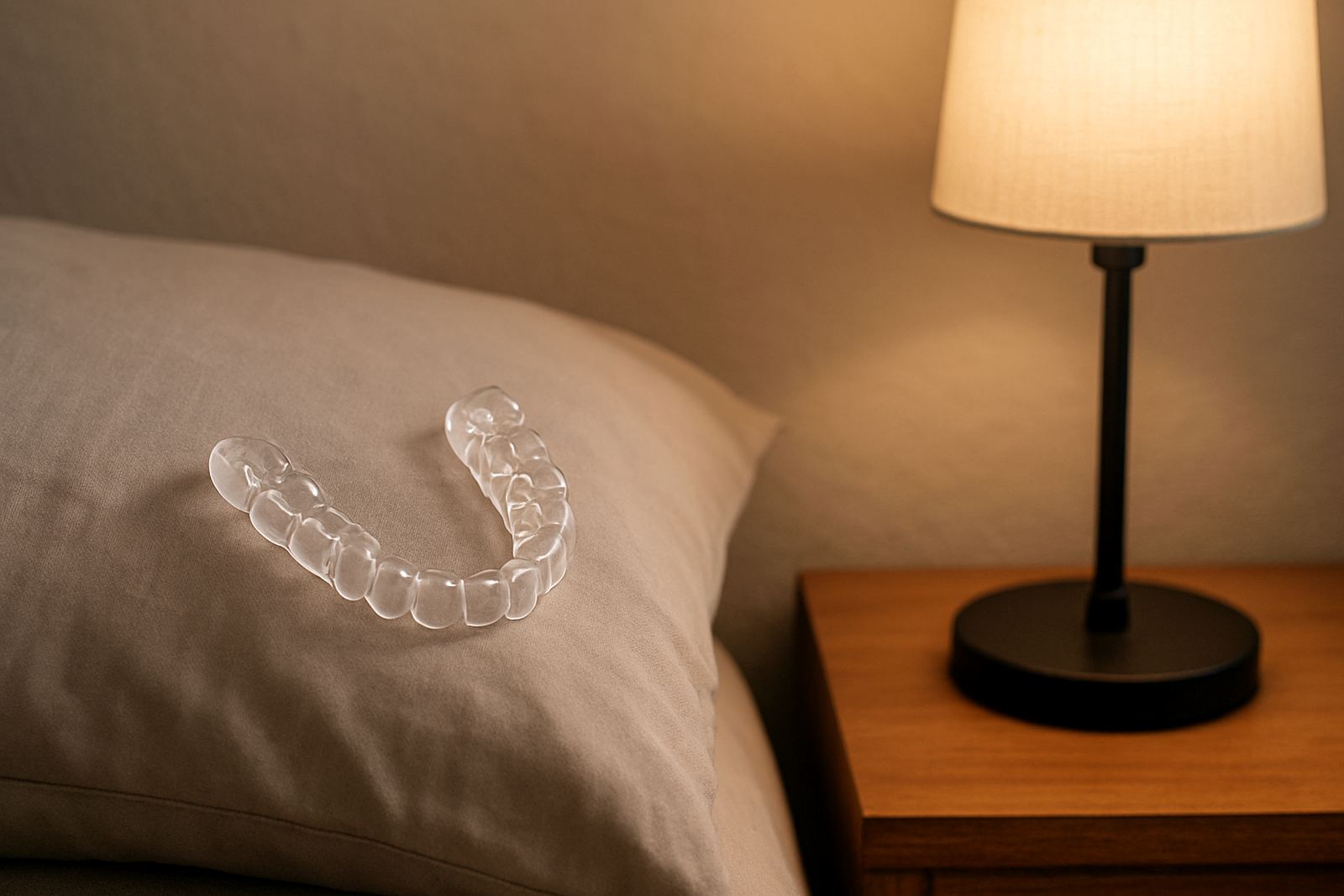
- custom trays or in-chair treatment, depending on the case
- gum protection where needed
- review of sensitivity and aftercare instructions
Some people see a difference after one session, while others need a short course over several days. The pace depends on the starting shade, the cause of staining, and how your teeth respond. It is not a race, and pushing too hard can make teeth feel uncomfortable.
Why supervision matters more than people think
Whitening seems simple, but it can go wrong if the gums are exposed, the gel is too strong, or the patient already has untreated problems. Supervision helps reduce the risk of uneven whitening, irritation, and wasted money on products that do not suit your mouth. It also gives you a proper plan for sensitivity, which is common for some patients.
At Techno-Dent Clinic, our team can guide patients from Sandton, Bryanston, Rivonia, Morningside, Fourways and Rosebank with whitening as part of a broader dental check. That matters for working adults, parents, and anyone juggling school runs, meetings, and traffic on the M1. If you need emergency care first, or you are due for preventive care, it makes sense to sort that out before whitening begins.
Who is a good candidate and who should wait
Most healthy adults with staining can consider whitening, but not everyone should start immediately. Pregnant patients, people with untreated decay, very sensitive teeth, active gum disease, or extensive front fillings may need another solution or a staged plan. Whitening does not change the colour of crowns, veneers, or composite fillings, so a mixed smile needs careful discussion.
Common signs that you should book a proper assessment first include:
- sharp sensitivity to cold drinks
- bleeding gums when brushing
- patchy white spots or enamel defects
- old fillings on front teeth
- a single dark tooth after injury
If one tooth is much darker than the rest, that can point to a deeper issue. In that case, whitening alone may not be the answer and the tooth should be examined before any cosmetic treatment is planned.
Keeping the result brighter after treatment
Whitening is not permanent, but good habits can slow the return of stains. Rinse with water after coffee or tea, brush twice a day with a fluoride toothpaste, and keep up with your cleaning appointments. If you smoke, the result will usually fade faster, so quitting helps both your smile and your gums.
Patients often ask about load shedding, because they want to know whether at-home whitening is practical. A supervised plan can still work well if you follow the timing properly and keep trays stored safely. In coastal humidity, care also matters when trays or materials are kept at home, since they should stay clean and dry between uses.
For lasting colour change, aftercare is as important as the treatment itself. We also explain payment guidance, follow-up checks, and when to come back if sensitivity lasts longer than expected. A good whitening result should look like your teeth, just cleaner and lighter not fake.
A practical Johannesburg example
Picture a Rivonia patient who has two coffees before 10 am, red wine on weekends, and a front tooth that looks darker after an old injury. After an exam, the dentist may suggest a cleaning first, then a whitening plan that is adjusted for the injured tooth. That patient gets a more even result than if they had tried a shop-bought kit without checking the cause of the discolouration.
This is the real value of supervised whitening. It is not only about getting teeth whiter, but about making sure the mouth is healthy enough for the process and that the final shade suits the person. For many patients in Sandton, that is the difference between a quick fix and a result they can live with.