What smoking does before you even notice a problem
The first signs of smoking in the mouth are often easy to see, but the bigger concern is what is happening under the surface. Tobacco smoke reduces blood flow in the gums, which means less oxygen and fewer nutrients reach the tissues that keep teeth stable. Over time that can make gum disease harder to spot because the usual signs such as bleeding may be masked.
In practice, this means a patient may feel fine while the gums are already under strain. A smoker can have deeper pockets around the teeth, more tartar build-up and a higher chance of loose teeth later on. In Sandton we often see busy patients putting off routine checks, but with smoking the time between visits matters even more.
The stains and bad breath people can see first
Most people know smoking stains teeth, but the effect is not just cosmetic. Nicotine and tar settle into the enamel and along the gumline, leaving yellow or brown marks that brushing does not fully shift. Over time the mouth can also feel dry, which makes breath less fresh and can increase plaque build-up.
Dry mouth matters because saliva helps wash away food particles and neutralise acids. When saliva is reduced, cavities and gum irritation become more likely. People who smoke often notice a persistent taste or morning breath that returns quickly after brushing, especially if they also drink a lot of coffee during the day.
Why smokers need closer gum checks
Gum disease is one of the main oral health problems linked to smoking. Because smoking affects the immune response, the body does not fight infection in the gums as well as it should. The result can be swollen tissue, bone loss around the roots, and eventually tooth movement if the problem is left alone.
Another issue is that smokers may not notice discomfort early. A non-smoker might see bleeding and ask questions sooner, while a smoker can have a quiet infection that only shows up at a much later stage. That is why regular assessments matter, especially for patients in areas like Bryanston, Rivonia and Fourways who want to keep treatment simple and avoid larger procedures later.
Implants, extractions and healing after treatment
Smoking affects healing after dental procedures. Whether a patient has a tooth removed, implant planning done or gum treatment completed, the tissues need a good blood supply to recover. Smoking slows that recovery and raises the chance of infection, dry socket after extractions, and poor integration around implants.
For implant work this is especially important. An implant needs stable bone and healthy gums to settle properly. If a patient smokes heavily, the risk of failure is higher and the aftercare period becomes more demanding. We usually discuss smoking openly during implant planning so patients can make practical decisions before treatment starts, not halfway through. A small break from smoking before and after care can make a real difference, even if stopping completely takes longer.
How smoking changes orthodontic and cosmetic treatment
Orthodontic care and cosmetic dentistry both depend on healthy tissues. Braces or aligners can still be used in smokers, but the gums must be monitored closely because irritated tissue can affect comfort and hygiene. Smokers may also find plaque control harder around brackets and wires, which means more frequent cleaning and more careful home care.
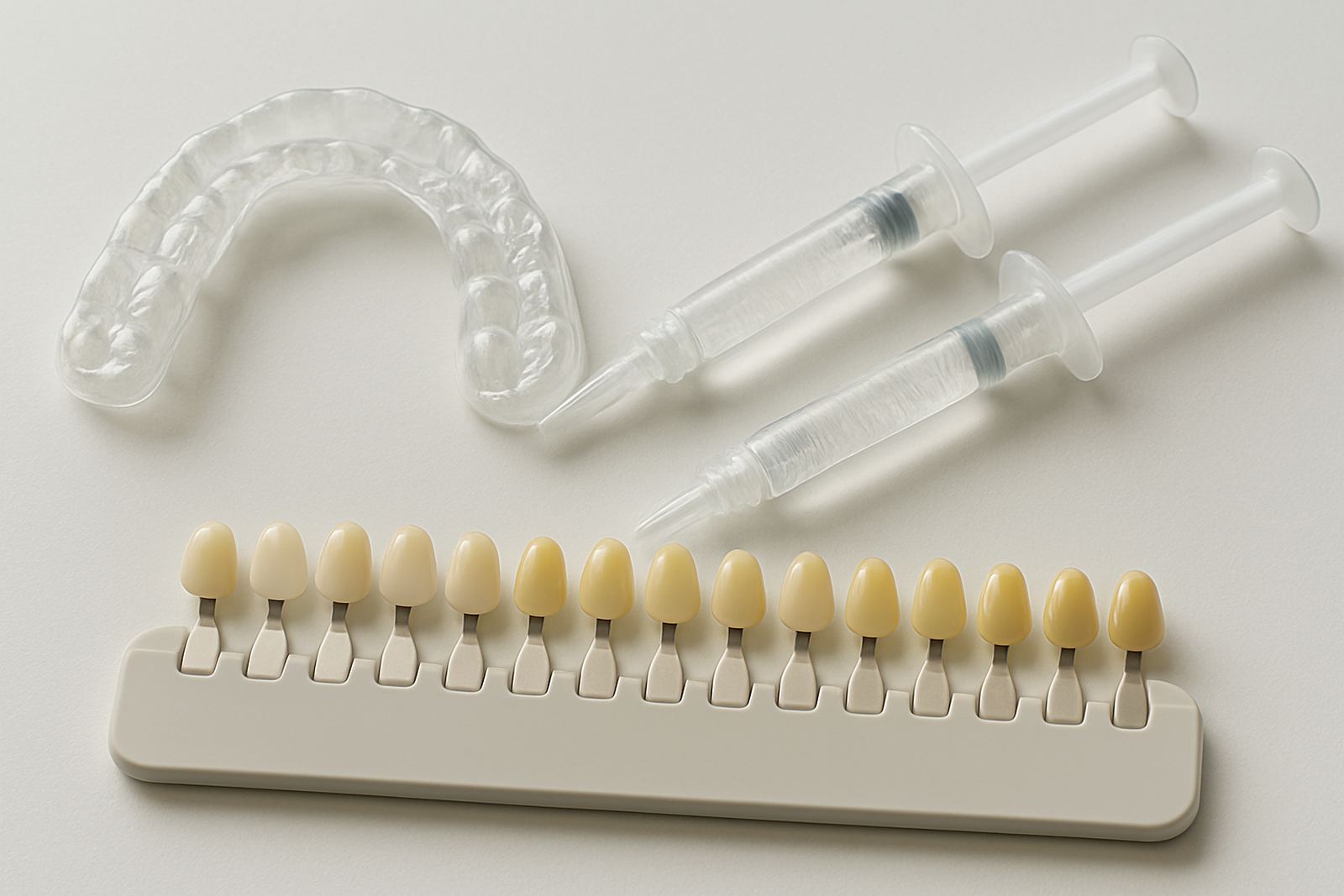
With cosmetic work, smoking can affect the final result and how long it lasts. Whitening results may fade faster, and restorative work can stain more quickly at the edges. If a patient wants a smile make-over or digital smile design planning, it helps to look at smoking honestly from the start. That way the plan suits the mouth as well as the goal.
For many people the practical question is not whether smoking is “allowed”, but what level of risk they are willing to live with. That conversation should include cost, maintenance and the time needed for follow-up visits.
A practical plan for patients in Sandton and nearby suburbs
If you smoke and want to protect your mouth, start with what you can control. Book regular exams and cleaning, tell your dental team how much you smoke, and mention any bleeding, dry mouth or loose teeth. If you are having pain or swelling do not wait for the next routine visit, get it checked quickly.
For patients travelling from Sandton, Morningside, Rosebank or Fourways, the best plan is often a realistic one. You may not quit overnight, but you can reduce smoking around treatment dates, drink more water, clean between the teeth daily, and avoid using tobacco right after a procedure. If you need payment guidance or want to discuss sedation options for treatment that feels daunting, ask at the time of booking so the visit can be planned properly.
Smoking and oral health are closely linked, but the damage is not always immediate. The sooner a patient acts, the easier it is to protect the teeth, gums and any future treatment plans.