
Why night grinding causes real damage
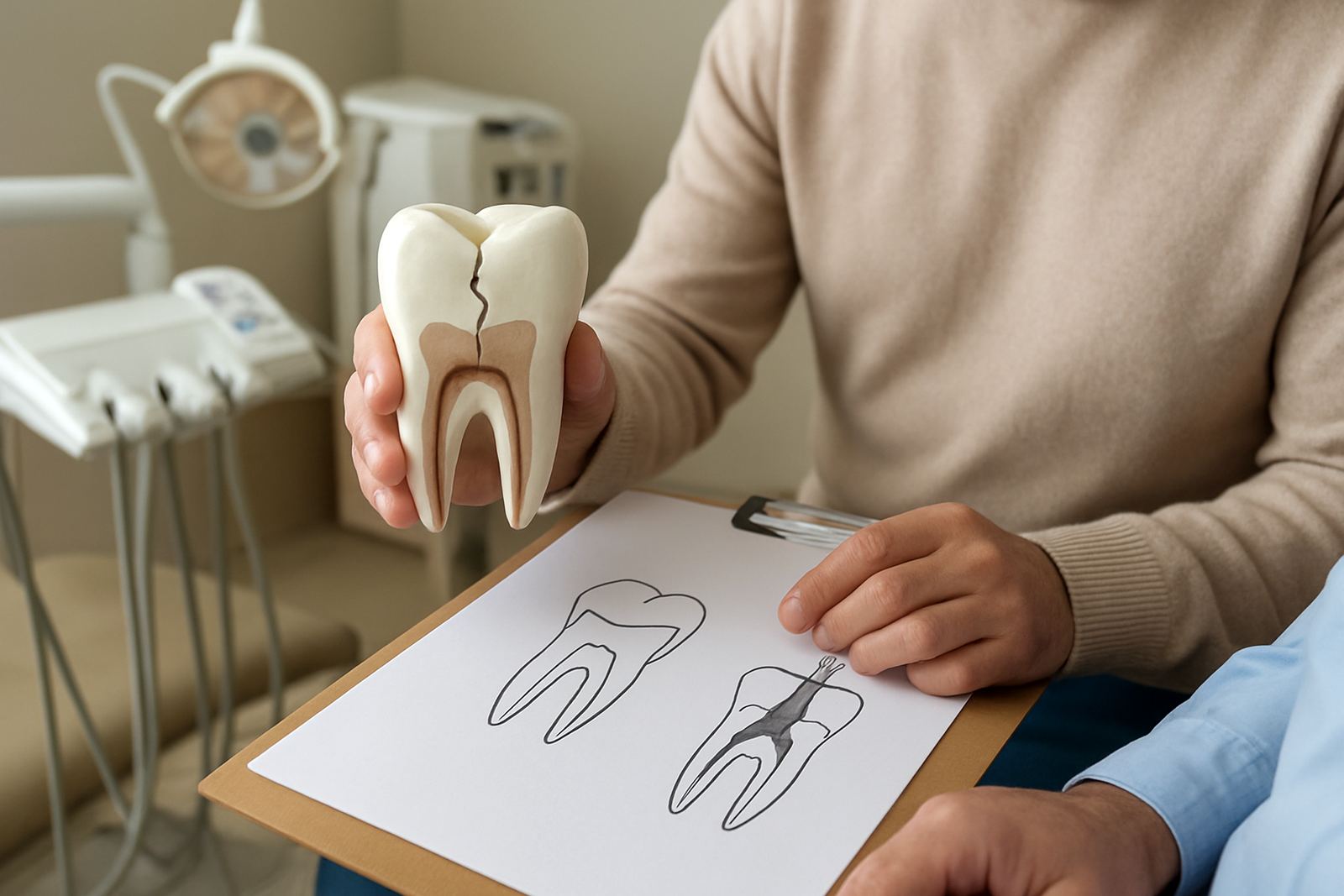
Teeth grinding, also called bruxism, often happens while you sleep so many people do not know it is going on until they start waking with headaches, jaw pain or sensitive teeth. Over time the repeated pressure can flatten biting surfaces, crack old restorations and make the teeth look shorter.
In Sandton and the surrounding suburbs, we often see patients who only notice the problem after a routine check-up or when a partner mentions the grinding sound at night. Load-shedding, stress, late work hours and interrupted sleep can make the habit worse, and the effects are not just cosmetic. If the bite is under constant strain the jaw muscles can become tight and tired too.
How a custom night guard works
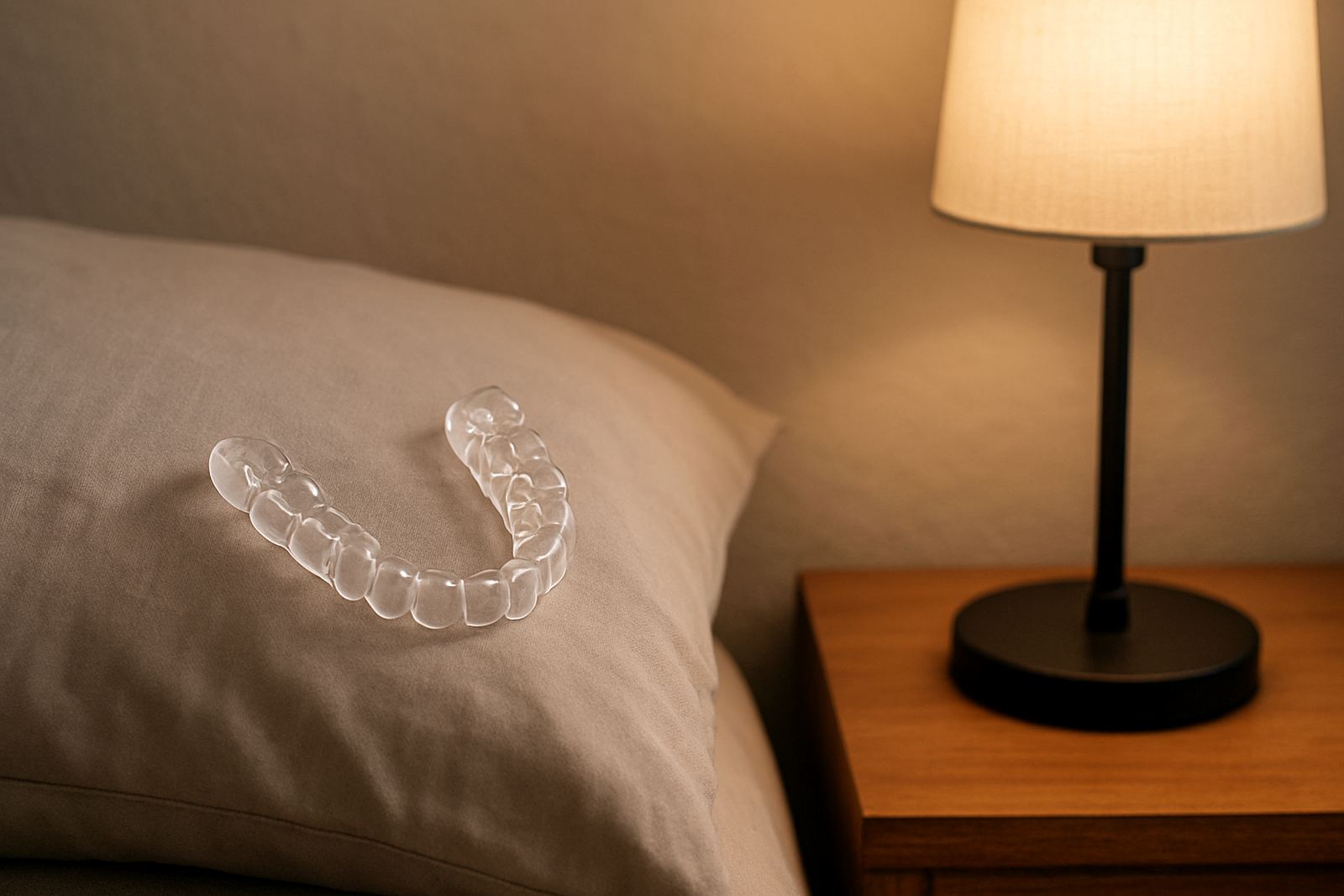
A custom night guard is made from a mould of your teeth so it fits closely and stays comfortable. It creates a barrier between the upper and lower teeth, which helps prevent direct wear and reduces the force of clenching. It does not stop the habit itself, but it does protect the teeth while you sleep.
Unlike a one-size-fits-all guard, a properly made appliance should feel stable and not bulky. That matters because if it is too loose or thick, people stop wearing it. At Techno-Dent Clinic, the focus is on fit, comfort and making sure the guard suits the way your bite meets in real life, not just on paper.
- Reduces tooth-to-tooth wear
- Helps protect fillings, crowns and other restorations
- Can ease morning jaw tightness
- Often makes long-term grinding damage easier to manage
Signs you may need one before the damage gets worse
Some people have obvious symptoms, while others only show signs on the teeth. If you are grinding at night, the evidence may be visible to a dentist long before it feels severe. A cracked edge on a front tooth, sensitive molars or a sore chewing muscle are all worth checking.
Common signs include:
- Morning headaches or a tight jaw
- Flattened or chipped teeth
- Tooth sensitivity when eating cold foods
- Noise from grinding that a partner notices
- Sore temples or pain near the ears
If you live in Bryanston, Rivonia or Morningside and you are noticing these problems, a proper assessment can help separate grinding damage from other dental issues such as gum recession or bite changes. It is better to catch it early because the damage does not usually reverse on its own.
What happens during assessment and fitting
A night guard starts with a clinical assessment, and if needed digital scans or impressions are taken so the appliance can be made to fit accurately. The bite is checked, the teeth are examined for wear and any loose fillings or cracked enamel are noted before the guard is made. That step matters because a guard should protect the mouth, not create new pressure points.
At the fitting visit, the dentist checks comfort, thickness and retention. Small adjustments are normal. Some patients need a short period to get used to wearing it, especially if they have never slept with anything in their mouth before. The first few nights can feel strange, but a good fit should settle quickly.
- Assessment of wear, pain and bite pattern
- Scans or moulds for a custom fit
- Fitting and small adjustments if needed
- Advice on cleaning and nightly use
Caring for the guard in a Johannesburg home
A night guard needs simple care so it lasts. Rinse it after use, brush it lightly with a soft brush and keep it in a ventilated case when dry. Avoid hot water because it can distort the material. If you keep it near the bathroom basin, make sure it is out of reach of children and pets.
Johannesburg homes can be dry indoors in winter and sticky in summer, and that can affect how you store the guard. Keep it away from direct sunlight and do not leave it in a car. If power cuts make your routine less predictable, build the cleaning step into your morning habits so it does not get forgotten. A guard that is looked after properly can last well, although it should still be checked during regular dental visits.
Night guards are useful, but they are not the whole answer
A custom guard helps protect the teeth but it does not cure the cause of grinding. Stress, bite issues, sleep problems and muscle tension can all play a part. That is why we look at the full picture, especially if the patient also has jaw clicking, worn edges or signs of clenching during the day.
Depending on the case, treatment may also include preventive care, occlusal adjustments if appropriate, or advice on habits such as chewing ice, biting pens or holding tension in the jaw. Sedation options are not usually needed for a guard fitting, but they can matter if a patient also needs other dental work and feels anxious. For patients from Sandton, Fourways or Rosebank, the aim is simple: protect the teeth now and reduce the chance of more costly repair later.
- Protects against further wear
- May be paired with other dental treatment
- Works best with regular monitoring
- Helps protect existing dental work from extra force
A local example of why timing matters
A patient from Bryanston came in after noticing sensitivity on the lower back teeth and a stiff jaw most mornings. The teeth looked fine from a distance, but close examination showed heavy wear on the biting edges and small cracks starting on an old filling. A custom night guard was made, and after a few weeks the morning soreness eased and the teeth were better protected from further grinding.
That is a common pattern. The earlier a guard is made, the more tooth structure can be saved. If you are already getting regular check-ups, ask whether your signs point to grinding. If not, a new consult can still give you a clear plan and guidance on the next steps.