What gum recovery really means in practice
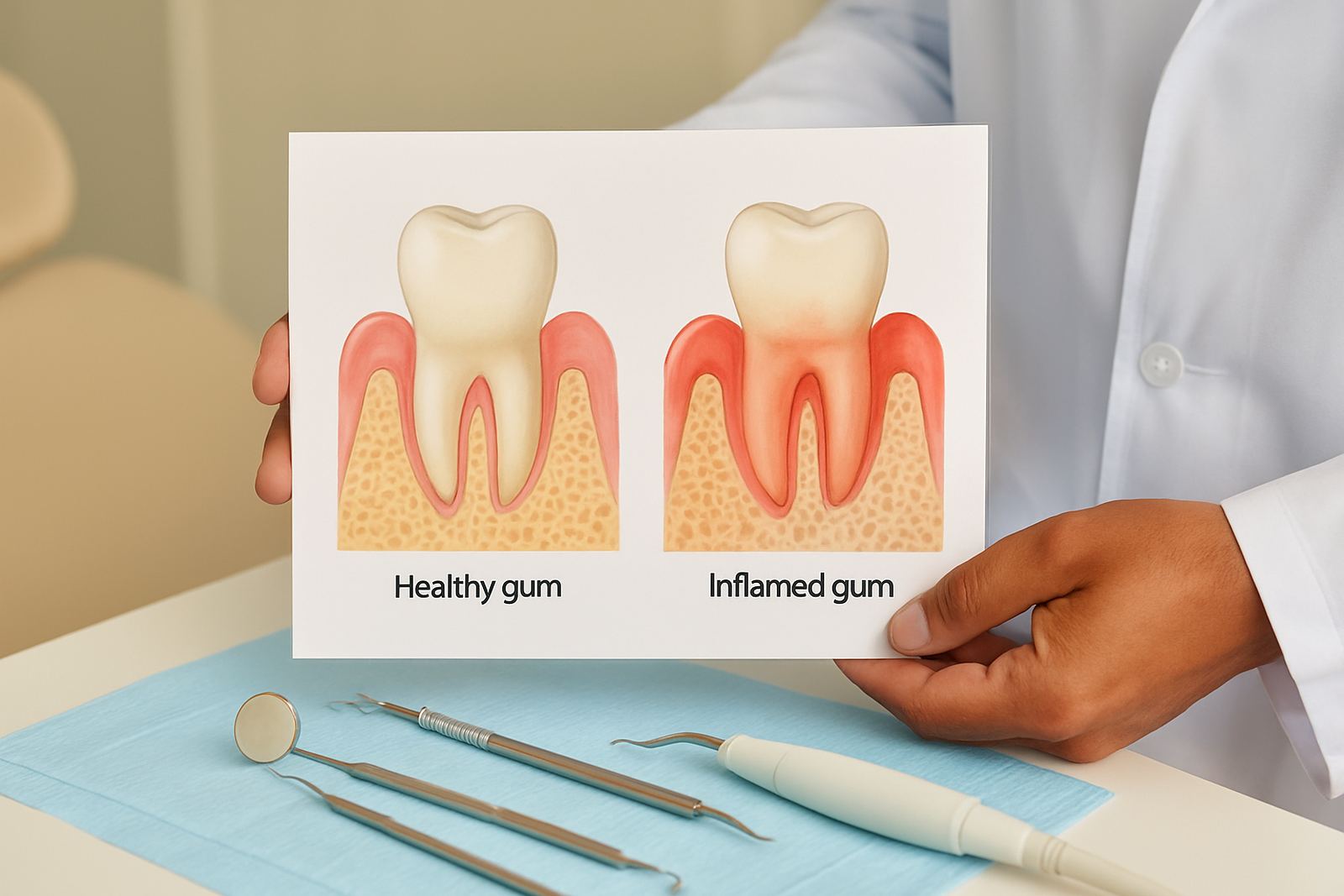
When people ask if gums can recover, they are usually talking about bleeding, swelling, tenderness, bad breath, or gums that look a bit puffy around the teeth. In the early stage, that often means gingivitis, which is inflammation caused by plaque and tartar sitting along the gumline. At this stage, the tissue can settle down again once it is cleaned properly and kept clean every day.
But recovery has limits. If the infection has already moved into the deeper support around the teeth, the gums may improve in colour and comfort, yet they may not return to exactly what they were before. That is why timing matters. A patient in Sandton who comes in when brushing starts to sting has a very different outlook from someone who has had loose teeth for months.
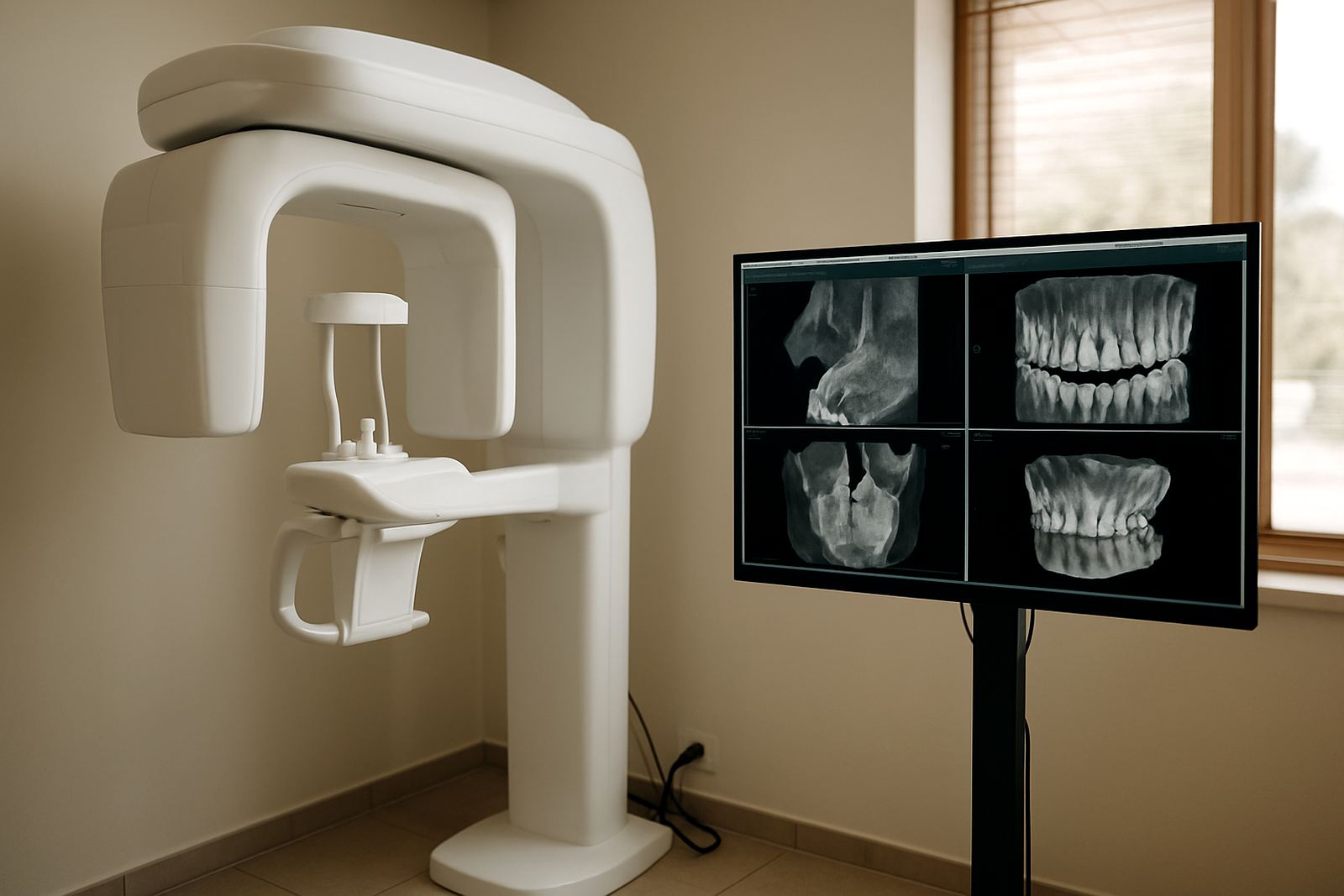
At Techno-Dent Clinic, the first step is usually to check how deep the gum pockets are, whether there is bleeding on probing, and whether there are signs of bone loss. Those details tell us whether the problem is reversible or whether we need a long term plan to stabilise it.
Early gum disease is often reversible
In the early stage, gums can often improve quite well. The tissue is still attached firmly to the tooth, and there may be no permanent damage yet. Once the plaque and hardened deposits are removed, the mouth gets a chance to calm down. This is where professional cleaning, improved brushing technique, and flossing or interdental brushes make a real difference.
Patients are sometimes surprised that bleeding gums do not always mean brushing should stop. In fact, gentle but thorough cleaning is usually what helps most. The key is to use the right pressure and to clean where a normal brush misses, especially between the teeth and just under the gumline.
- Signs that gums may still recover well include mild bleeding
- Swelling that comes and goes
- Bad breath that improves after cleaning
- No loose teeth and no obvious recession
- Recent symptoms rather than a long history of problems
If you live or work in Bryanston, Rivonia, Morningside, Fourways or Rosebank, it is worth acting early rather than waiting for pain. Gum disease often stays quiet until there is more damage than you expected.
When the damage starts to become permanent
Once gum disease moves deeper, the picture changes. The infection can begin to affect the fibres and bone that hold the teeth in place. At that point, the gums may still become less inflamed with treatment, but missing bone does not grow back in the same way. That is one of the hardest parts for patients to hear, but it is better to know it early.
There are a few warning signs that suggest the problem is past the simple stage. These include gums pulling away from the teeth, recurring abscesses, spaces opening up between teeth, or a bite that feels different from before. If a tooth feels slightly mobile, that needs assessment soon rather than later.
In these cases, treatment is not about promising a full reversal. It is about stopping further loss, reducing bacteria, and keeping the teeth stable for as long as possible. Sometimes that means ongoing maintenance visits, sometimes it means splinting, and sometimes it means planning for replacement options if a tooth cannot be saved.
What treatment can actually improve early gums
The best treatment depends on what is causing the inflammation and how far it has progressed. In many early cases, a thorough professional clean is enough to make the gums settle, but only if the daily routine also changes. If plaque builds up again within days, the improvement will not last.
For patients with more stubborn inflammation, scaling and root surface cleaning may be needed to remove deposits below the gumline. This can make the gums shrink back to a healthier shape, reduce bleeding and give the tissue a chance to heal. Some patients also need advice on dry mouth, smoking, diabetes control, or grinding, because these can all affect gum health.
- Professional cleaning to remove plaque and tartar
- Deep cleaning below the gumline when pockets are present
- Better home care with a soft brush and interdental cleaning
- Checking for factors like diabetes, smoking or mouth breathing
- Follow up visits to monitor pocket depth and bleeding
For family dentistry patients in Sandton, this often starts with a simple review and ends with a plan that fits daily life. If work travel, school runs, or shift patterns make home care harder, the routine needs to be realistic or it will fail after a week.
Why some mouths get worse faster than others
Two people can have the same amount of plaque and still not respond the same way. Gum health is affected by general health, medication, stress, smoking, orthodontic appliances, crowding, and even how easy the teeth are to clean. If teeth are tightly packed or rotated, plaque gets trapped more easily. If the mouth is dry from medication, the gums may be more irritated and healing can take longer.
Load-shedding can even play a small part in some homes, because interrupted routines and less regular oral care can make habits slide. That does not cause gum disease by itself, but it is one more reason patients need a clear, simple plan that fits real life in Johannesburg.
We also see that people often wait until they have pain. Gum disease is not always painful at first. By the time the area hurts, there may already be deeper infection or a gum abscess. That is why a check-up should not only happen when something feels wrong.
A local example from Sandton
A patient from Morningside may come in saying the gums bleed only when brushing near one lower front tooth. After a full exam, we might find early gum disease with tartar trapped around the back teeth and a bit of crowding in the lower front area. In that sort of case, the gums can often recover well with cleaning, home care coaching, and a review after a few weeks.
Now compare that with someone from Fourways who has not had a gum check in years and notices loose teeth, spaces opening up, and a constant bad taste. The treatment there may still help the gums feel better, but the aim is to protect the remaining support, not promise a total reset. That difference is why an early appointment matters so much.
At Techno-Dent Clinic, Dr Sibusiso Mthembu and the team look at the whole picture, not just one sore spot. Dr Ayesha Khan, Dr Pieter van der Merwe and Dr Nandi Dlamini work across cosmetic, implant and orthodontic concerns when gum health affects the final result, while Lerato Moloi and Thabo Nkosi help keep the plan clear and organised for follow-up care.
What to do this week if your gums are bleeding
If your gums bleed, do not panic, but do not ignore it either. Most of the time, early action gives the best chance of recovery. Start with better cleaning at home, then book an assessment if the bleeding continues for more than a short period or if there is swelling, bad breath or tenderness.
Simple steps can make a real difference while you wait for your appointment:
- Use a soft toothbrush twice a day
- Clean between the teeth once daily
- Avoid scraping the gums too hard
- Reduce smoking if you can
- Book a check if symptoms last more than two weeks
If you need guidance on whether the problem is reversible, or if you are already worried about bone loss, a proper gum assessment is the next step. That is where realistic answers begin.