Why a digital scan feels easier than a mould tray
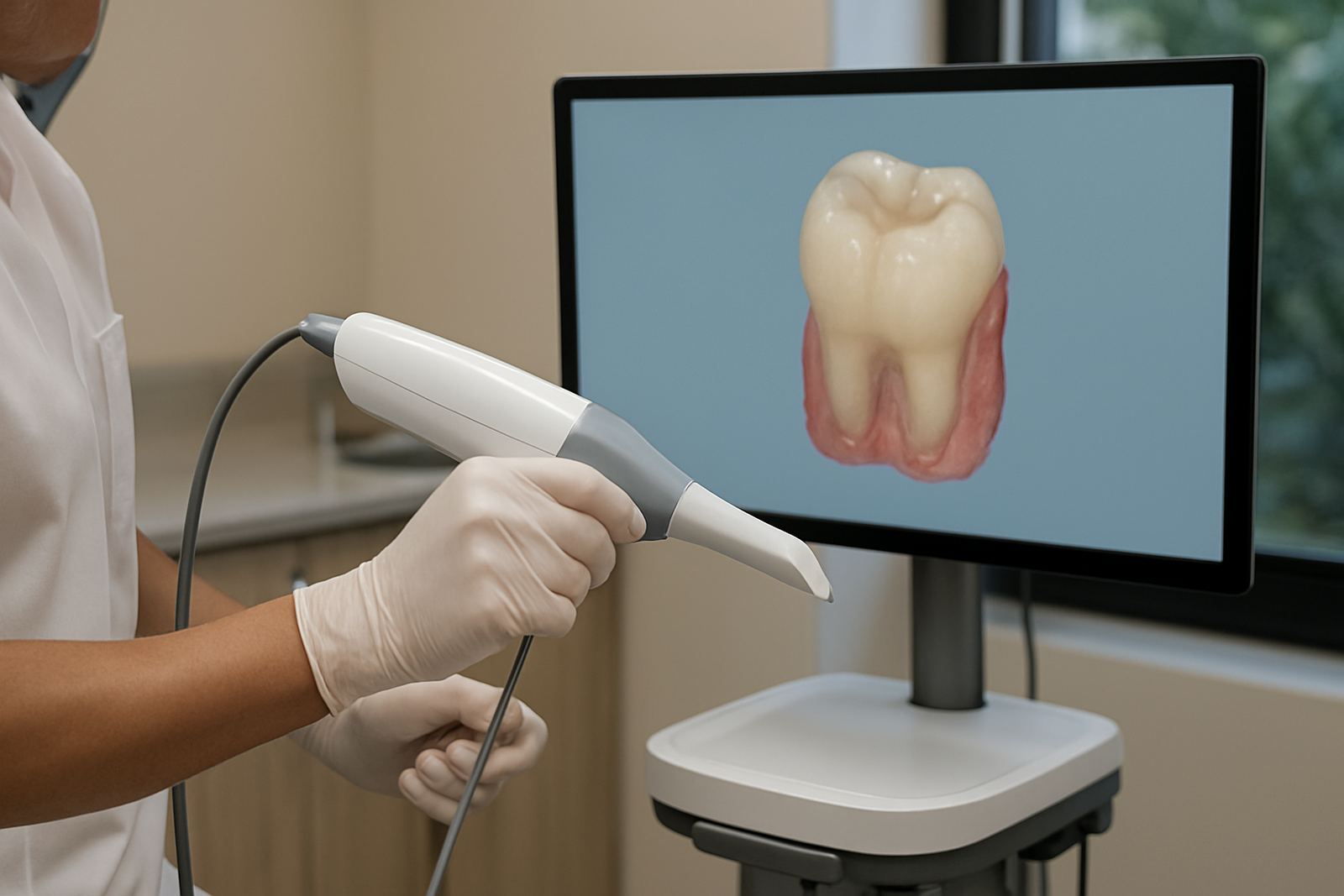
For many patients, the first thing they notice is how simple the scan feels. Instead of biting into a full tray of putty, a small handheld scanner is moved around the teeth and gums to capture detailed images. There is no messy material, no strong taste and no need to sit through a long set while trying not to gag.
That matters for children, anxious adults and anyone with a sensitive gag reflex. It also helps when a patient has a busy day in Sandton traffic and wants the appointment handled efficiently. In our practice, digital scanning is often the better starting point for smile design, aligner planning, crowns and implant work because it gives us a clean, clear record from the start.
- No bulk in the mouth during the appointment
- Less discomfort for people with a strong gag reflex
- Quick review of the scan while you are still in the chair
- Useful for detailed planning before treatment begins
Accuracy matters when the fit must be right first time
Dental work depends on measurements. A scan captures the shape of teeth, the bite and surrounding areas with a level of detail that is hard to match with older methods. That means better planning for crowns, bridges, implant restorations, aligners and cosmetic changes that need to look natural as well as function properly.
When the scan is accurate, the rest of the process becomes easier. There is less back and forth, fewer repeat appointments for adjustments and a better chance that the finished appliance fits as intended. For implant planning, this can be especially helpful because the position of the implant, the gum levels and the bite all need to be considered together. A small error early on can affect the final result later.
Patients often ask whether a digital scan is only for cosmetic cases. It is not. We use it for practical dentistry too, where the goal is proper fit, stable bite and long term comfort. That includes work for patients with worn teeth, missing teeth or crowded teeth that need careful planning.
A faster way to plan treatments and show the next step
One benefit of scanning is that the image can be reviewed straight away. If we need to check a margin, compare teeth positions or assess spacing for orthodontic treatment, we can do it in the room. That makes the conversation with the patient more clear because you can see what is being discussed instead of guessing from a written note or a two-dimensional impression.
For digital smile design, this is practical. The scan gives a starting point for planning shape, size and alignment in a way that fits the patient’s face and bite. For someone considering a more visible change to their front teeth, that visual reference helps set realistic expectations before treatment begins.
- Immediate review of teeth positions and bite detail
- Clearer treatment discussions with fewer surprises
- Useful for planning cosmetic, implant and orthodontic care
- Helps the team coordinate each stage of treatment
In Sandton, many patients balance dental care with work, school runs and meetings. A process that reduces delays can make a real difference, especially when follow-up visits need to be kept tight.
Useful for families, nervous patients and busy professionals
Digital scans are not only about technical detail. They can also make the whole visit feel more manageable. A child who struggles with impression material may cope much better with a quick scan. An adult who has put off treatment because of anxiety may find the appointment less stressful when there is no heavy tray sitting in the mouth.
For working patients in areas like Morningside and Bryanston, time is often the issue. A scan is usually faster than traditional moulding, which helps when a person is trying to fit care into a lunch break or between meetings. It can also reduce the chance of having to come back because the first attempt was distorted or incomplete.
Our team also uses scan records for follow-up checks. That makes it easier to compare changes over time, whether the patient is completing orthodontic care, recovering after implant placement or monitoring wear and tear on teeth. In a city where people move around a lot and schedules change, having a precise digital record helps keep treatment on track.
When digital scans are especially helpful in practice
Some treatments benefit from scanning more than others. It is particularly useful when detail matters and where the bite must be planned carefully from the start. The clearer the starting point, the better the final result is likely to be.
- Cosmetic consulting and digital smile design
- Implant planning and restoration work
- Orthodontic assessments and aligner planning
- Replacement crowns, bridges and other fixed work
- Follow-up checks after treatment has started
We often recommend a scan when a patient wants a full picture of their options before committing to treatment. It gives the dentist and patient something concrete to discuss, rather than relying only on a quick visual check. That can be reassuring when the treatment involves several steps or a larger investment.
A local example from Sandton and the northern suburbs
A patient from Fourways came in after struggling with old impressions at another practice. The material had made them feel uneasy and the appointment had to be repeated. In our Sandton base, we used a digital scan instead. The patient could see the teeth on screen almost immediately, and the treatment planning moved forward without the need for another mould. It saved time and made the process less stressful.
That kind of experience is common. Whether someone lives in Rosebank, Rivonia or right near the Sandton CBD, they usually want practical care that respects their time. Digital scanning helps us do that by making the first step more accurate and easier to understand. It is not about fancy language, it is about getting a better starting point.
For patients who need aftercare follow-ups, the scan record also helps the team check progress against the original plan. If a bite needs refining or a retainer needs reviewing, having that reference on file is useful. It gives everyone a clearer picture of what was planned and what has changed.
What to ask before your scan appointment
If you are booked for a scan, a few simple questions can help you know what to expect. This is especially helpful if you are comparing options for cosmetic treatment, orthodontics or implant planning. A good consultation should leave you with a clear explanation, not confusion.
- What is the scan being used for in my treatment?
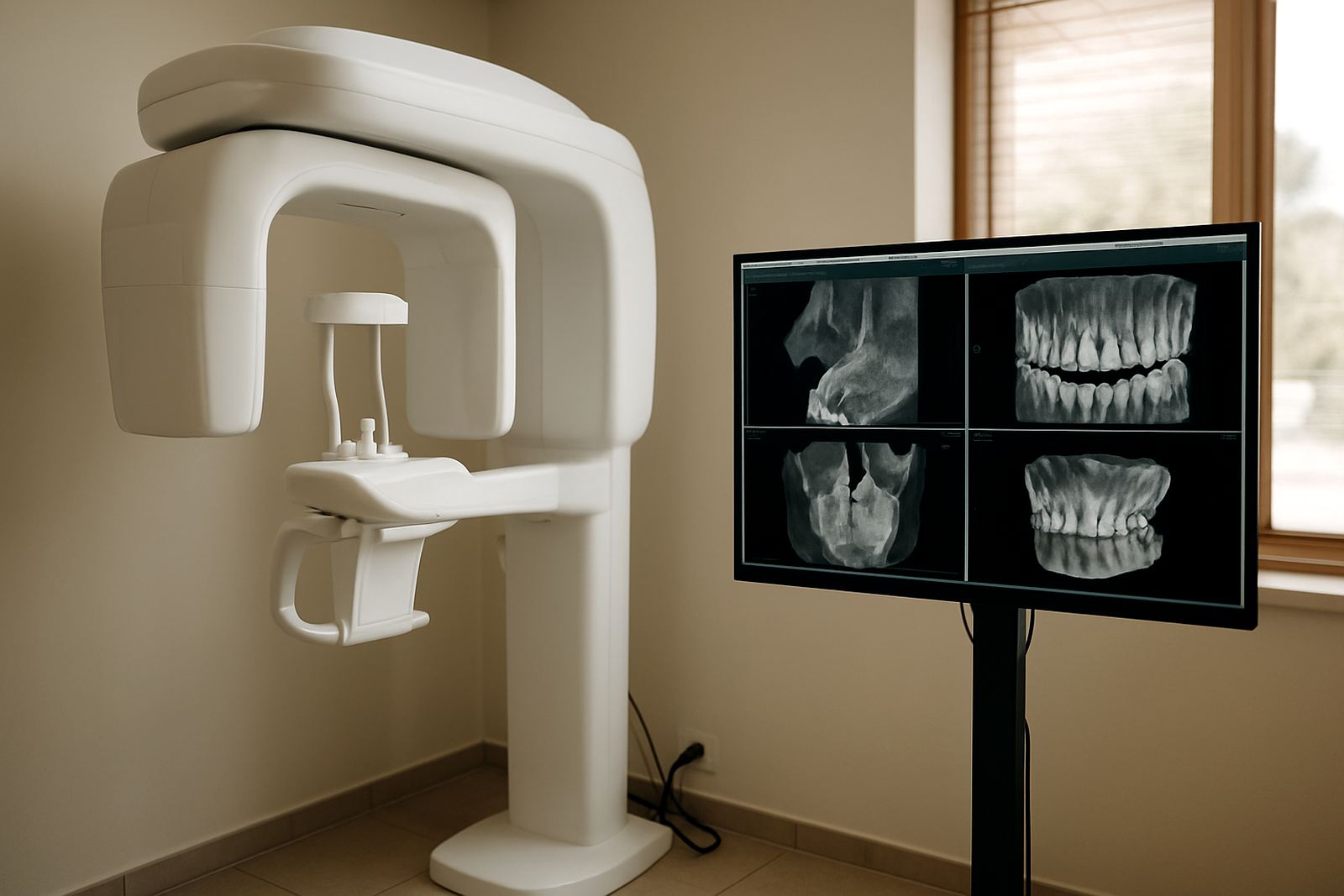
- Will I need additional records or X-rays as well?
- How soon will the scan be reviewed with me?
- What happens if my bite or tooth position changes later?
At Techno-Dent Clinic, we try to keep that conversation straightforward. Dr Sibusiso Mthembu and the team, including Dr Ayesha Khan, Dr Pieter van der Merwe and Dr Nandi Dlamini, work with scan data alongside the full clinical assessment. That way the plan stays practical, not just technical. If you want to understand how digital scanning may fit into your care, our team can talk you through the next step and payment guidance too.