
Why a flat X-ray is not always enough
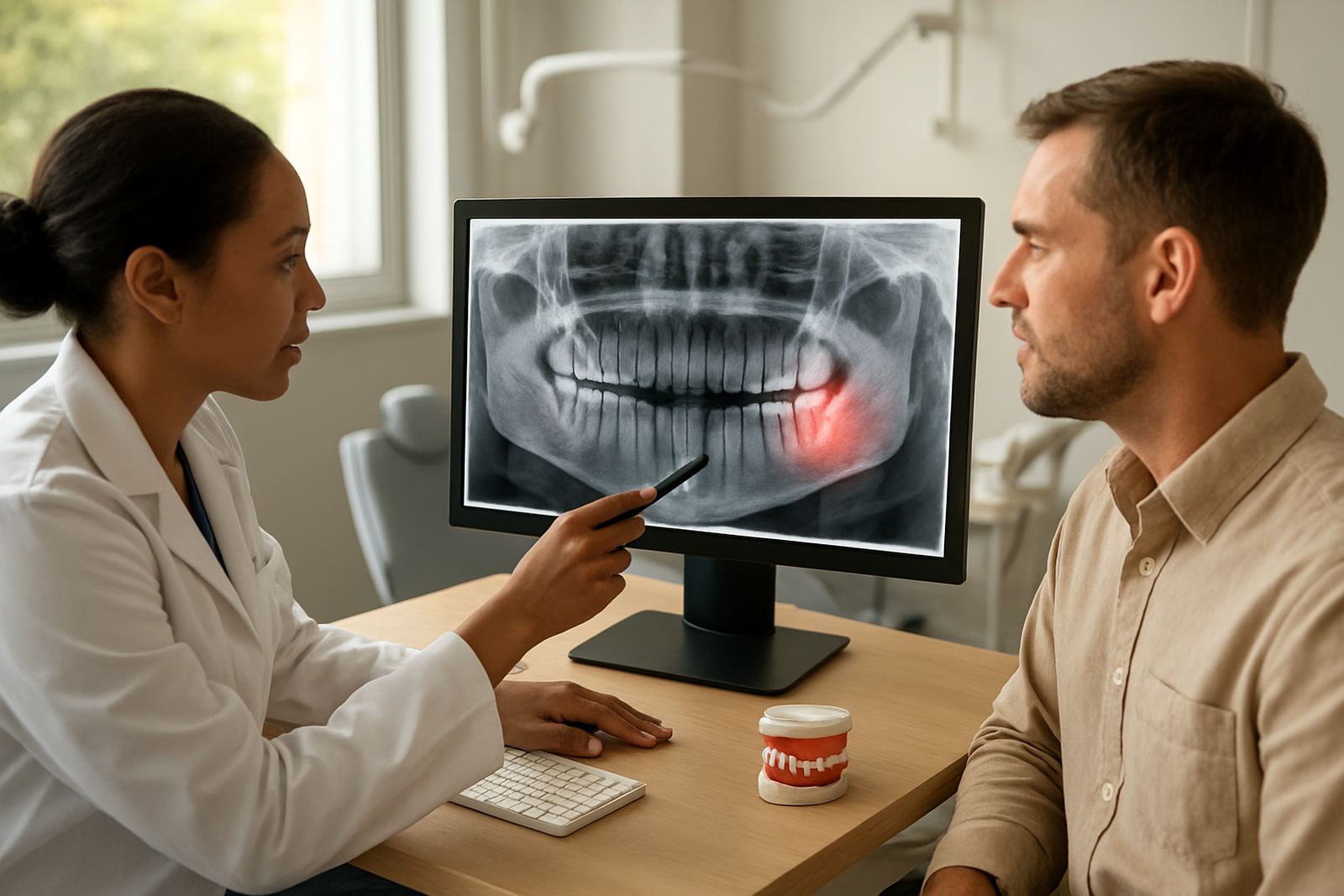
A standard dental X-ray is still useful, but it gives a flat picture of a three-dimensional area. That is fine for many routine checks. It is not always enough when the case is more complex, such as implant planning, a difficult wisdom tooth, repeated infection, root problems, or orthodontic work where tooth roots and jaw position need closer study.
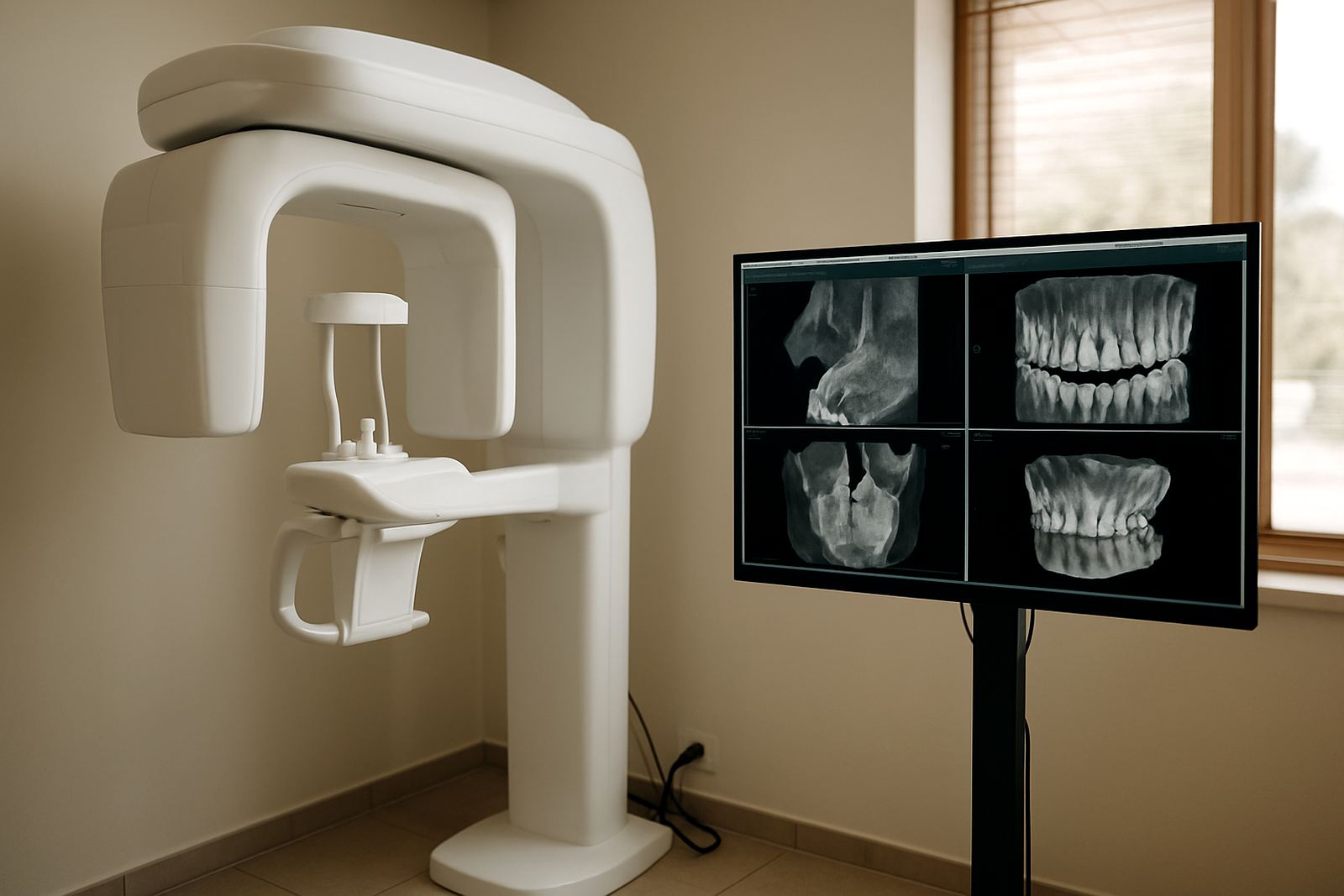
CBCT, or cone beam computed tomography, gives a 3D view of the teeth and supporting structures. At a Sandton practice serving patients from Bryanston, Rivonia, Morningside, Fourways and Rosebank, that can make a real difference when time, comfort and accuracy all matter. Instead of guessing where a nerve runs or how much bone is available, the clinician can see the area from several angles before treatment starts.
For many patients, the practical value is simple: fewer surprises later and a better chance of choosing the right procedure first time.
Where CBCT changes the plan for implants
Implants need enough bone depth, width and density. They also need safe distance from nerves, sinuses and nearby tooth roots. A CBCT scan helps the team measure these details properly, rather than relying only on feel and a two-dimensional image.
That matters most when the jaw has changed over time after tooth loss. Bone can shrink, sinus spaces can sit lower than expected, and the available space for an implant may be tighter than it looks on a normal film. With 3D imaging, the treatment plan can be adapted before surgery, which lowers the chance of avoidable complications.
- Checks bone height and width for implant placement
- Shows the position of nerves and sinuses more clearly
- Helps determine whether grafting is needed first
- Supports more accurate placement and better planning of the final tooth
At Techno-Dent Clinic, implant planning is not treated as a quick scan-and-go appointment. The findings are considered alongside oral health, bite, gum condition and the patient’s timeline, including work and travel commitments in Johannesburg.
Complex cases need more than guesswork
Some patients arrive with pain that does not match the obvious exam findings. Others have had previous dental work elsewhere and now need answers before moving ahead. CBCT is useful when the source of trouble may be hidden deeper in the bone or around the roots.
This can include persistent infection, suspected cracks, impacted teeth, jaw joint concerns, cysts, or orthodontic cases where the root position and jaw relationship matter. In these situations, a 3D scan can help the dentist decide whether conservative care, referral or a more advanced treatment plan is the right step.
A practical local example: a patient from Fourways may be told there is enough room for an implant from the top view on a 2D film. The CBCT scan then shows that the nerve runs closer than expected and the upper jaw needs a different approach. That kind of detail can prevent a complication and save time, money and discomfort later.
It is not about doing a scan for every mouth. It is about using the right tool when the case demands it.
What patients should expect during a CBCT appointment
Most people find the scan quick and straightforward. You normally stand or sit still while the machine rotates around the head. There is no lengthy preparation and no recovery time afterwards. The scan itself usually takes only a few moments, although the overall appointment may take a little longer depending on the clinical discussion.
Patients often ask whether it hurts. It does not. The important part is staying still so the image stays clear. A clear scan helps the clinician make a better judgement, especially when planning precision work such as implant placement or orthodontic assessment.
- No needles or injections are needed for the scan itself
- It is usually completed in a short visit
- The images can support a more detailed treatment discussion
- The scan may be recommended before surgery, not after problems start
For nervous patients, sedation options may be discussed where appropriate for the actual treatment, but the scan is usually simple enough for most people to manage comfortably.
Why local conditions matter in Gauteng treatment planning
Dental care in Johannesburg is not only about teeth and gums. It is also about practical conditions that affect treatment planning. Load-shedding can interrupt schedules, traffic can add pressure to appointment times, and patients often prefer fewer visits where possible. A clearer first plan helps everyone.
CBCT also helps where treatment needs to fit around family and work commitments. A patient from Sandton working a full day in the CBD may not want repeated guesswork appointments. A parent from Morningside may need a clear path for a child’s orthodontic assessment. An older patient from Rosebank may want to know whether an implant is possible before committing to extra steps.
At Techno-Dent Clinic, the point is not to overcomplicate care. It is to use the right imaging when the situation asks for it, then explain the options in plain language so the next step makes sense.
Questions that should be answered before you book treatment
If a clinician recommends CBCT, it is worth asking what the scan is expected to show and how it will change the treatment plan. A good scan should answer a specific question, not just add another picture to the file.
- What are you trying to confirm or rule out?
- Will the scan change the treatment plan?
- Is it needed for an implant, orthodontic check or pain investigation?
- How many visits will be needed after the scan?
- Will the result affect timing, cost or the type of treatment?
That kind of conversation helps patients make informed choices. It also helps avoid unnecessary treatment, which matters when budgets are tight and payment guidance is part of the decision. If a 3D scan is likely to improve accuracy and safety, it is usually worth the added step.