
Why braces trap plaque so easily
Brackets, bands and wires create small ledges where soft food and plaque settle. If those areas are not cleaned properly, the first signs are usually swollen gums, bad breath and white marks on the enamel once the braces come off.
In Johannesburg, where many patients move between offices, school runs and late afternoons in traffic, it is easy to miss a proper clean after lunch. That is why brushing once a day is not enough. You need a routine that works at home, at work and after supper.
How to brush around brackets without damaging the wires
Use a soft toothbrush and work slowly. Hold the brush at a slight angle above the brackets, then below them, so the bristles can clean along the gumline and around the metal. Short gentle strokes are better than hard scrubbing, which can miss plaque and wear the enamel.
Spend at least two minutes on each clean, and don’t forget the back teeth where food often hides. If your gums are tender, warm water can make brushing easier. A good routine should feel thorough but not painful.
- Brush after breakfast and again before bed
- Clean the front, sides and tops of every tooth
- Use small circular movements around each bracket
- Rinse the brush often so debris does not build up
The extra tools that make a real difference
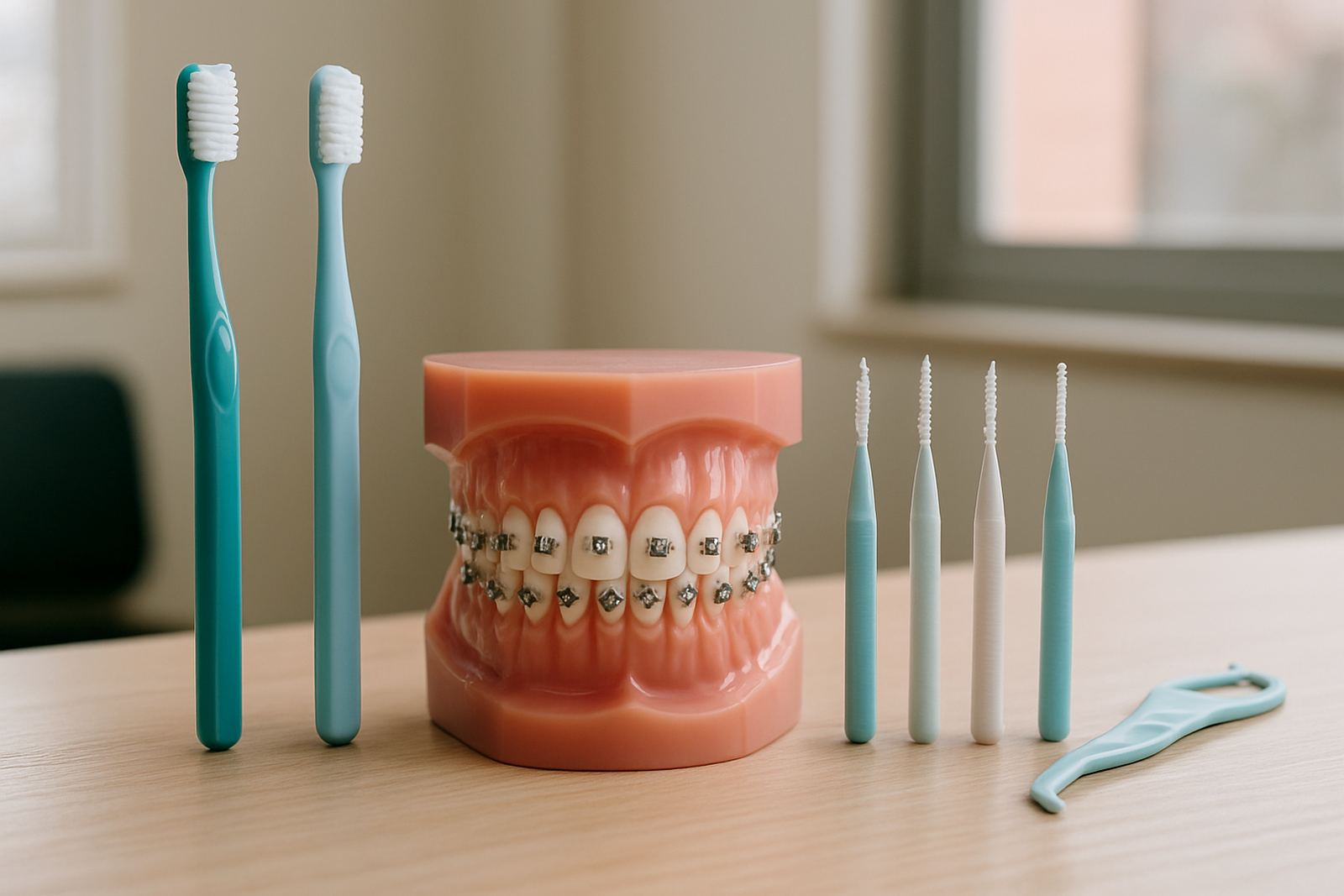
Normal brushing is only part of the job. Patients with braces usually do better when they add one or two simple tools to their routine. A small interdental brush can reach under wires and between brackets. Floss threaders help guide floss between teeth where the wire gets in the way.
Some patients also use a mouth rinse at night, especially if they are prone to plaque. Ask for advice on what suits your mouth if you have sensitivity or dry mouth, because the wrong rinse can leave you feeling worse. For younger patients in Bryanston or Fourways, parents often find that keeping these tools in one small pouch makes the routine easier to remember.
- Interdental brushes for around brackets and wires
- Floss threaders for tight spaces between teeth
- Non-abrasive toothpaste to avoid scratching the appliance
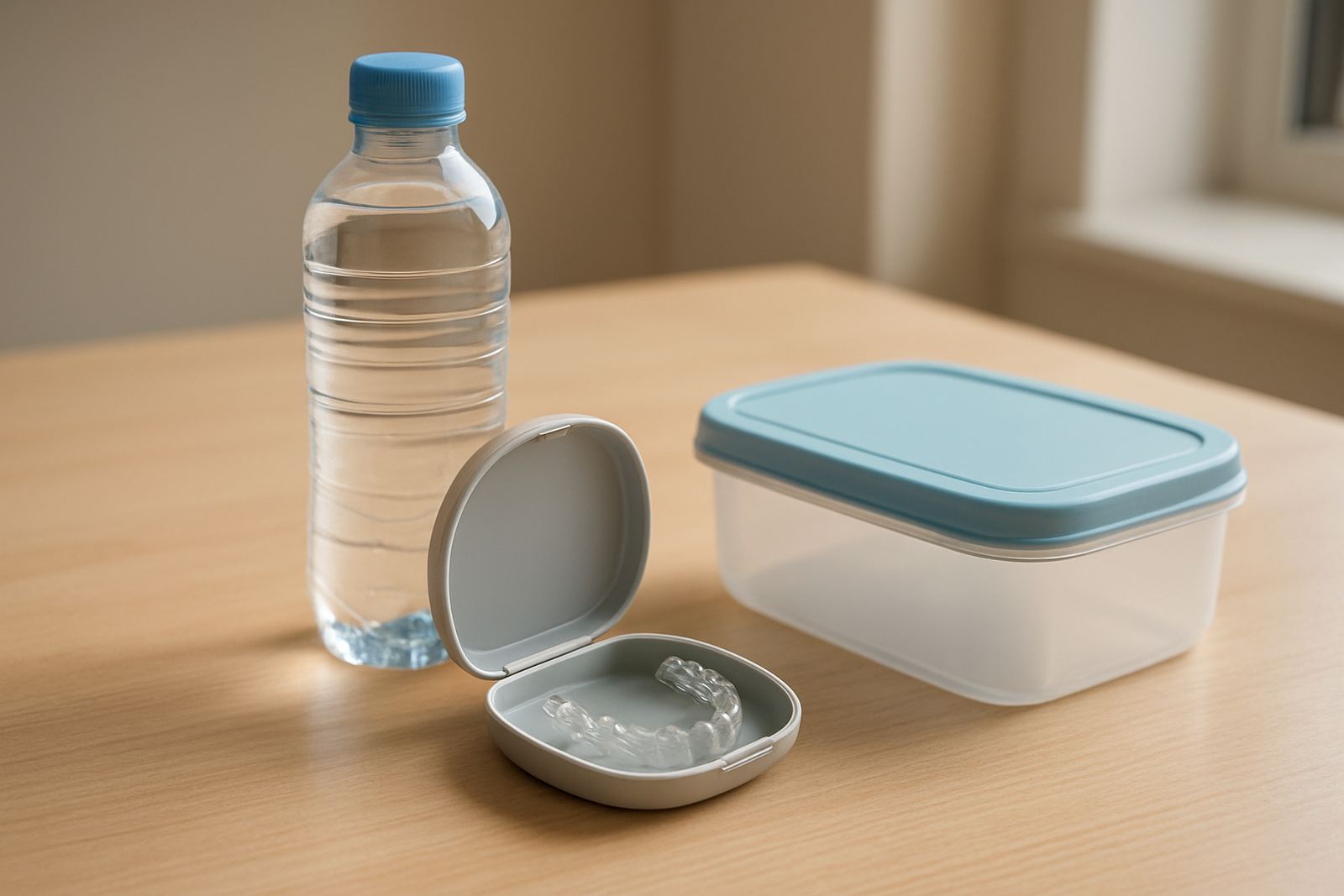
- A cup or travel kit for school, office or gym bags
Foods to cut back on while braces are on
Cleaning becomes much harder when sticky or hard foods get caught in the appliance. Caramel, chewing gum, brittle sweets and very hard snacks can pull on brackets or leave bits stuck in places your brush cannot reach. Even corn on the cob and crusty rolls can be tricky if you bite straight into them.
That does not mean you must eat plain food every day. It just helps to cut food into smaller pieces and rinse soon after eating. In a busy Sandton lunch hour, a quick rinse with water after a sandwich or snack can save you from carrying food around the brackets all afternoon. Small habits matter more than people think, and the clean really starts with what goes into the mouth.
A simple daily routine for Sandton patients
A clean routine should be practical enough to follow on weekdays and weekends. Many patients do well with brushing in the morning, a quick rinse after lunch and a full evening clean with floss or interdental brushes. If you are travelling between the office, the school pick-up and an evening appointment, keep a compact kit in your bag so you are not caught out.
Load-shedding can also interrupt routines at home, so it helps to keep your brush, floss and mirror in one place. If you know power will be off at night, brush earlier and rinse again before bed. For patients in Morningside, Rivonia or Rosebank, this sort of simple planning often makes the biggest difference.
- Brush before leaving home in the morning
- Rinse or clean after lunch where possible
- Do a full clean at night without rushing
- Replace worn brushes every 6 to 8 weeks
When to ask for a check-up or cleaning
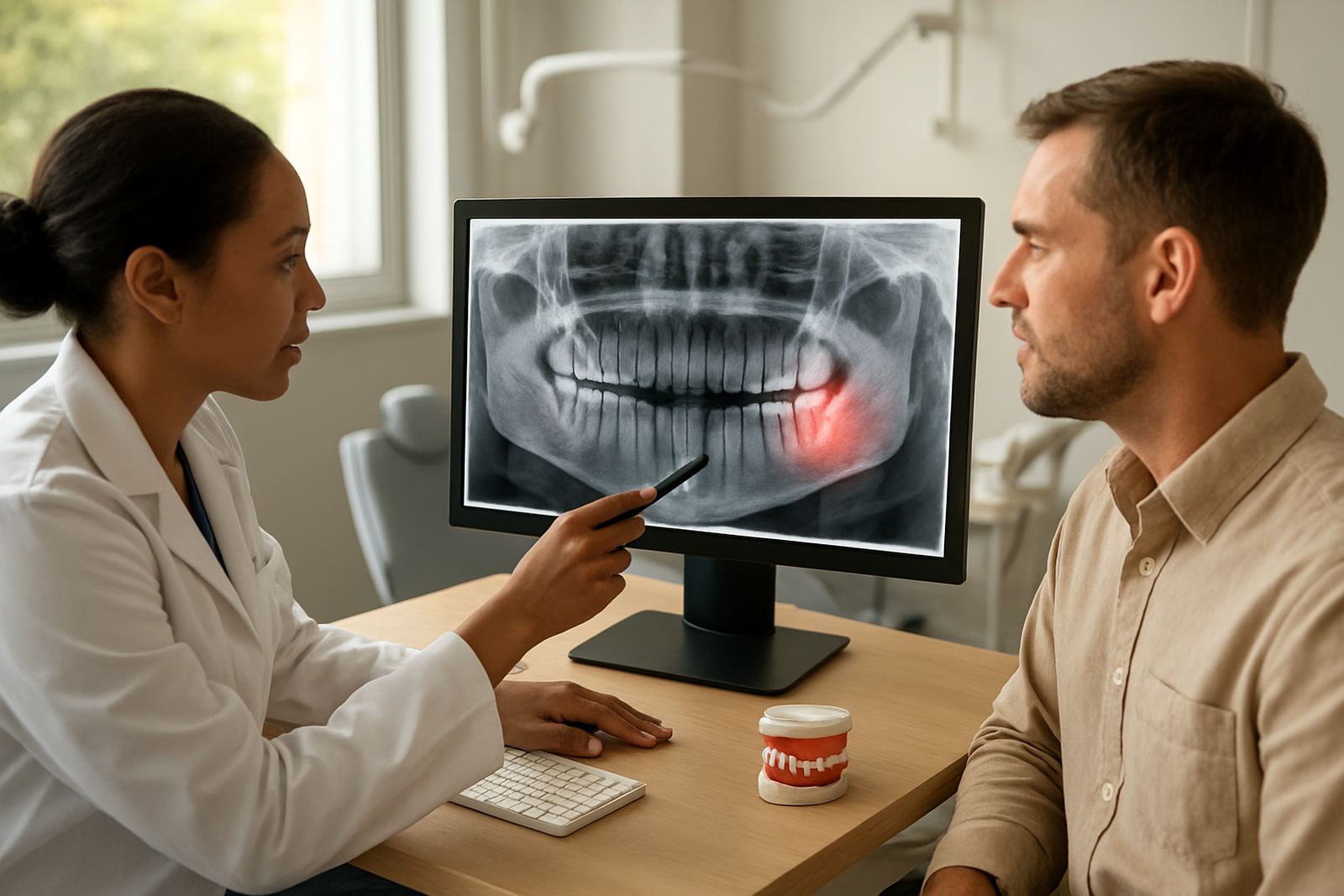
If your gums bleed often, your breath stays unpleasant, or you see white patches near the brackets, do not wait until the next routine visit. Those signs can mean plaque is sitting too long in hard-to-reach places. A dental team can check whether your cleaning method needs adjusting or whether you need a professional clean.
Patients starting braces, or parents helping teenagers through treatment, often need a few reminders before the routine becomes second nature. That is normal. A good plan is to get an early review if something feels off, instead of hoping it will sort itself out. The aim is to finish treatment with straighter teeth and healthy enamel, not extra repair work later on.
At Techno-Dent Clinic in Sandton, Dr Nandi Dlamini and the clinical team often guide patients on simple home care, especially where food traps or swollen gums are slowing progress. A few small changes can keep treatment on track and make each visit easier to manage.