
Why a front chip changes more than your smile
A small chip on a front tooth can feel cosmetic, but it often affects how the tooth meets the one opposite it. If the edge has broken away, the remaining enamel may be sharp, sensitive to cold water or more likely to catch on food. In some cases the chip is only the visible part of a deeper crack.
Front teeth also take the first hit in daily life, from biting into apple slices to the odd knock at the gym or in a crowded car park. In Sandton and the surrounding suburbs, we see a fair number of patients who chip a tooth on hard snacks, uncooked bones in food, or after a fall on tiled floors at home. The main point is simple: even a small chip deserves a proper look, because the right fix depends on how deep it goes.
What to do in the first hour after the chip
If the chip has just happened, keep the loose piece if you can find it and rinse your mouth with clean water. Do not test the tooth with your tongue all day, it can make the edge feel worse. If the tooth is sore, avoid very hot or very cold drinks and chew on the other side for the rest of the day.
Use the list below as a quick guide before you get to a dentist:
- Rinse gently with water, then check for bleeding around the gumline.
- Apply a cold compress on the outside of the face for 10 to 15 minutes at a time if there is swelling.
- Cover a sharp edge with dental wax or sugar-free chewing gum in a pinch, especially if it is cutting the lip.
- Avoid biting directly on bread crusts, biltong, ice or nuts until it is assessed.
- If the tooth feels loose or the bite has changed, book an urgent review rather than waiting.
If pain is strong or the tooth has moved, it is best not to leave it for the weekend. Load-shedding, traffic and school runs already make timing awkward, so patients often do better by arranging care sooner, while the chip is still small and the repair options are wider.
The usual repair choices for a visible front tooth
Not every chip needs the same solution. A smooth, shallow chip may be repaired in one visit with tooth-coloured material. This is often the most practical answer when the break is limited to the edge and the tooth is otherwise healthy. It can restore shape, close small gaps in the line of the smile and stop the edge from feeling rough.
When the damage is larger, or if the colour and shape need a more exact match, a stronger restoration may be suggested. In other cases a small polish is enough if the enamel is only lightly marked. The right option depends on the size of the chip, the bite, any old fillings and whether the tooth has nerve involvement. A front tooth that has had repeated trauma may also need follow-up checks over time.
At Techno-Dent Clinic in Sandton, treatment planning is guided by the tooth itself, not by a one-size-fits-all approach. Dr Sibusiso Mthembu and the team look at how the chip sits in the smile, whether the edges are stressed, and what the patient needs for work, school, photos or a special event.
When a chip is really a hidden crack
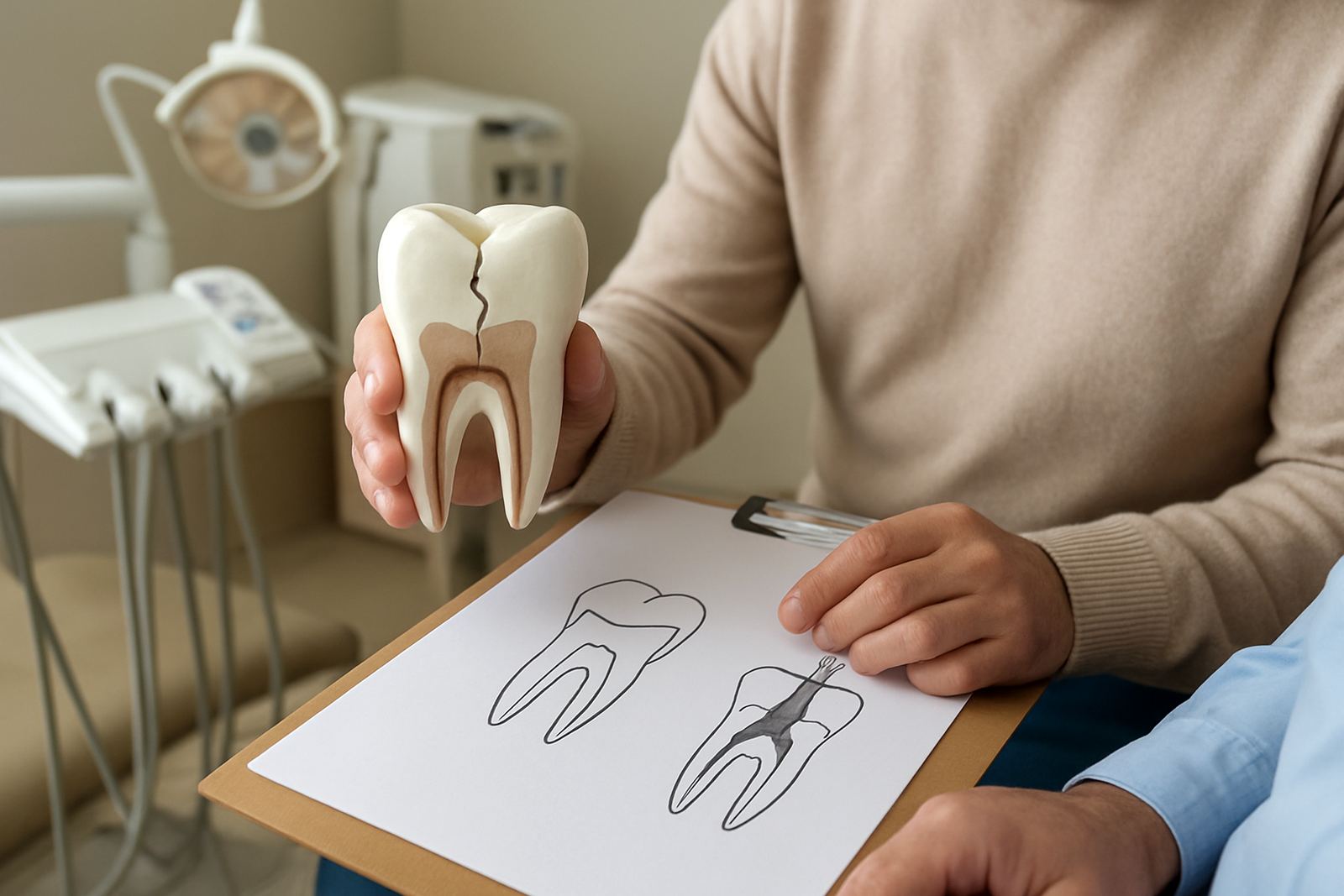
A visible chip can be the only thing you notice, but sometimes there is more going on. If the tooth is suddenly sensitive when you bite, if the edge looks uneven under light, or if the tooth has darkened after an injury, the damage may extend further than the enamel. That is why an exam matters, even when the chip seems small.
Signs that need faster attention include:
- Pain when biting down or releasing the bite.
- Ongoing sensitivity to cold drinks or air.
- Bleeding from the gum around the tooth.
- A rough edge that keeps cutting the lip or tongue.
- The tooth looking longer, shorter or slightly turned after the injury.
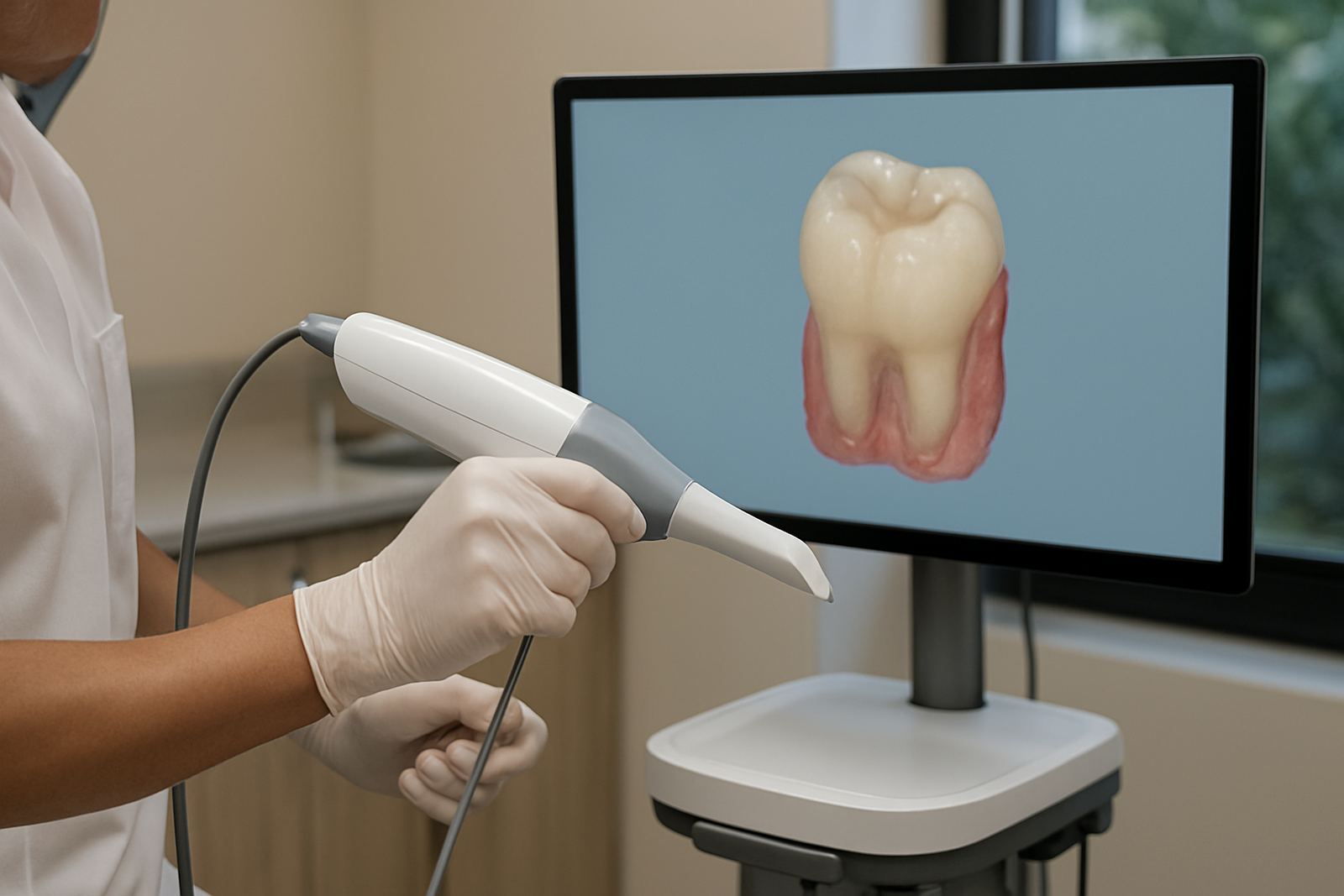
Where needed, digital imaging helps the dentist see what is happening below the surface. That makes it easier to decide whether the tooth can be rebuilt, monitored or needs further care. It also helps avoid guesswork, which is especially important with front teeth where appearance matters but function matters just as much.
How front chips affect daily life in Sandton
People often put off front tooth treatment because the chip is not painful, only embarrassing. Then they spend weeks hiding their smile in meetings, at school events, or when greeting clients in Morningside or Rosebank. That can be more stressful than the tooth itself. We have had patients from Fourways and Bryanston say they kept their mouth closed in photographs for months after a small accident on a staircase or while opening packaging with their teeth.
There is also the practical side. A chipped edge can snag when you brush, and rough enamel can make cleaning harder. That can leave food trapping more easily around the tooth and gumline. In a busy household, especially where children are sharing bathrooms and mornings are rushed, it is useful to sort the tooth out before it becomes a bigger nuisance.
Front chip repair is usually straightforward, but timing still matters. If you can get seen early, the dentist is more likely to preserve natural tooth structure and keep the final result neat.
What follow-up care usually looks like
After the repair, the aim is to protect the tooth and make sure the bite feels normal. Patients are often asked to avoid very hard foods for a short period and to let the dentist know if the repaired edge feels high, rough or uncomfortable. If the chip was caused by trauma, a follow-up review may be recommended to check the tooth over time.
Good aftercare usually includes:
- Brushing twice a day with a soft brush.
- Using floss or interdental brushes gently around the repaired tooth.
- Avoiding habits like biting pen caps, bottle tops or fingernails.
- Wearing a mouthguard if you play contact sport or grind your teeth at night.
- Returning promptly if the repair chips again or the tooth becomes sensitive.
For patients who need help with planning, sedation options, aftercare follow-ups or payment guidance, the practice team can talk through the next step in plain terms. That makes it easier to fit treatment into real life, whether you are coming from Sandton, Rivonia or further out in Johannesburg.