
A bite is a moving target, not a fixed setting
Many people only notice a change in their bite when a tooth starts touching first, chewing feels uneven, or the jaw feels tired by evening. A bite can shift little by little over years, so by the time it feels different the change has often been building for a while.
In Sandton and the wider northern suburbs we often see this after years of grinding, missing teeth, old fillings that have worn down, or gum support that has weakened. Even a small change in one tooth can affect the way the rest of the mouth works.
Common reasons bites change include:
- Tooth wear from grinding or clenching, often worse at night
- Tooth loss from decay, gum disease, trauma or extraction
- Shifting teeth after one side of the mouth is used more than the other
- Large fillings, crowns or bridges that have worn or broken down
- Gum and bone changes that affect tooth support
Wear from grinding can flatten the bite over time
Grinding and clenching are a major cause of bite changes. People often do it without realising, especially during stress, sleep or long workdays. The enamel wears down, edges become shorter, and the back teeth may lose some of the height that keeps the jaws in a balanced position.
When that happens the bite can start to feel tighter or less stable. You may notice jaw stiffness in the morning, sensitivity to cold drinks, or headaches around the temples. Some patients also find they are chewing more on one side, which can create more wear on that side and make the problem worse.
- Look for worn edges on the front teeth
- Check for flattened chewing surfaces on back teeth
- Notice if your teeth feel sensitive after waking
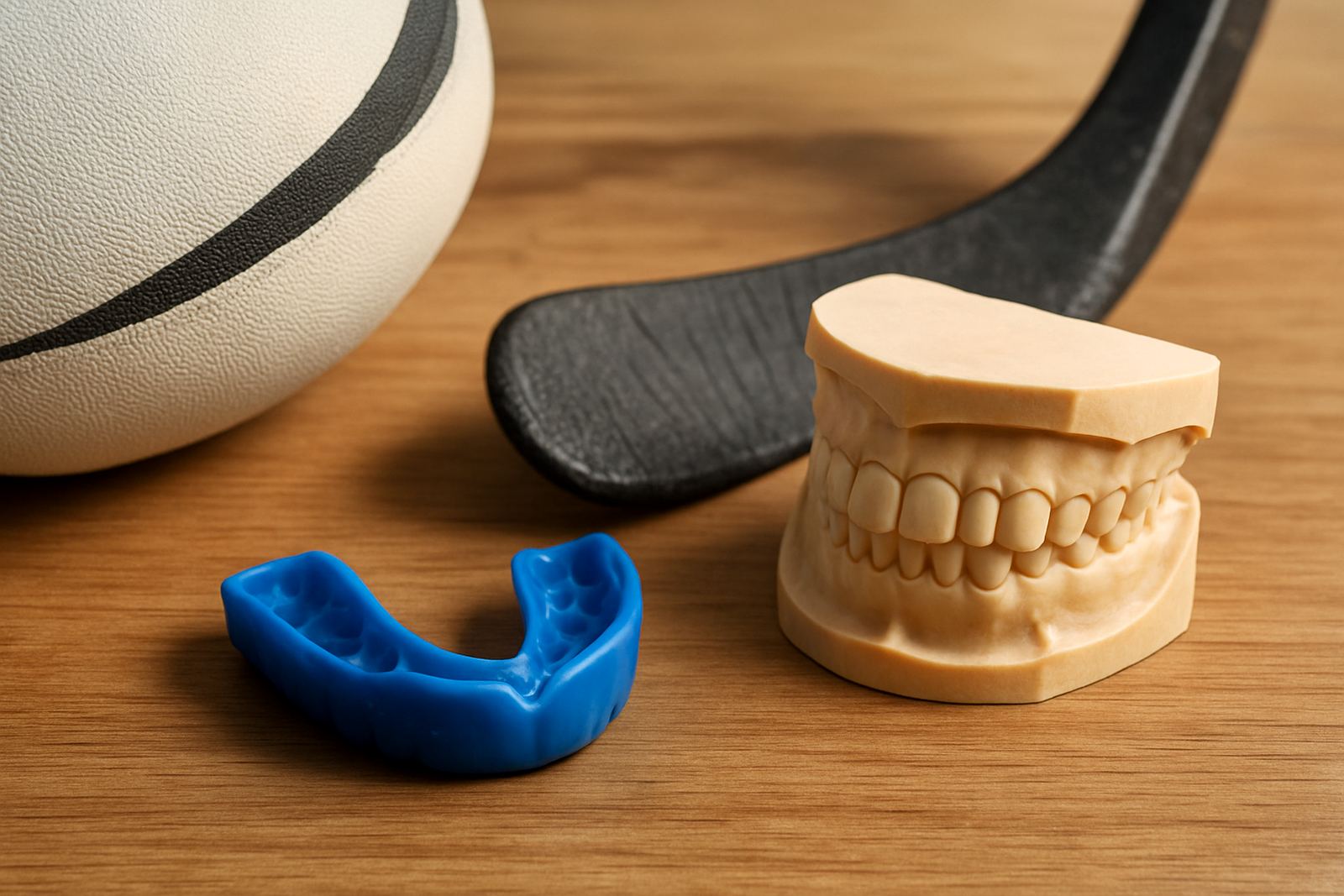
- Ask whether a night guard may help protect teeth while you sleep
In some cases a bite guard and careful monitoring can slow the damage. If the wear is already advanced, the teeth may need rebuilding to restore proper contact and comfort.
When one missing tooth starts a chain reaction
One missing tooth can have a bigger effect than people expect. Nearby teeth may drift into the gap, the opposing tooth can over-erupt, and chewing pressure shifts to other areas. Over time this can change the line of the bite and make cleaning harder too.
This is one reason tooth replacement is not only about appearance. It helps keep neighbouring teeth in position and spreads bite forces more evenly. In practice, we often see this after a back tooth has been removed and the patient manages for months or years without replacing it. The bite slowly changes until food traps appear, then the jaw feels different on that side.
If a tooth has been lost, the earlier it is assessed the easier it is to plan the next step. Options may include an implant, bridge or removable replacement depending on the site, bone support and the patient's needs. In a busy area like Bryanston or Fourways, many patients delay treatment because work gets in the way but the mouth keeps changing in the meantime.
Gum and bone support can change the way teeth sit
The gums and supporting bone are what keep teeth steady. If gum disease develops or returns, the support around the teeth can reduce. Teeth may begin to feel looser, spaces can open, and the bite can shift as the teeth no longer meet in the same way.
This does not always happen quickly. Often there are early signs first such as bleeding when brushing, bad breath that keeps coming back, or gums that look red and swollen. Once support is affected, bite changes can follow because the teeth are no longer anchored as firmly as before.
- Bleeding gums are not normal, even if they happen only now and then
- Loose teeth need urgent review, not just stronger brushing
- Spacing that appears between front teeth can signal shifting support
- Regular cleanings and monitoring help catch changes early
For patients in coastal or humid conditions further north or east the mouth may also feel harder to keep under control if home care slips. A proper recall plan makes a difference, especially when there is a history of gum problems.
Old dental work can alter contact points and chewing
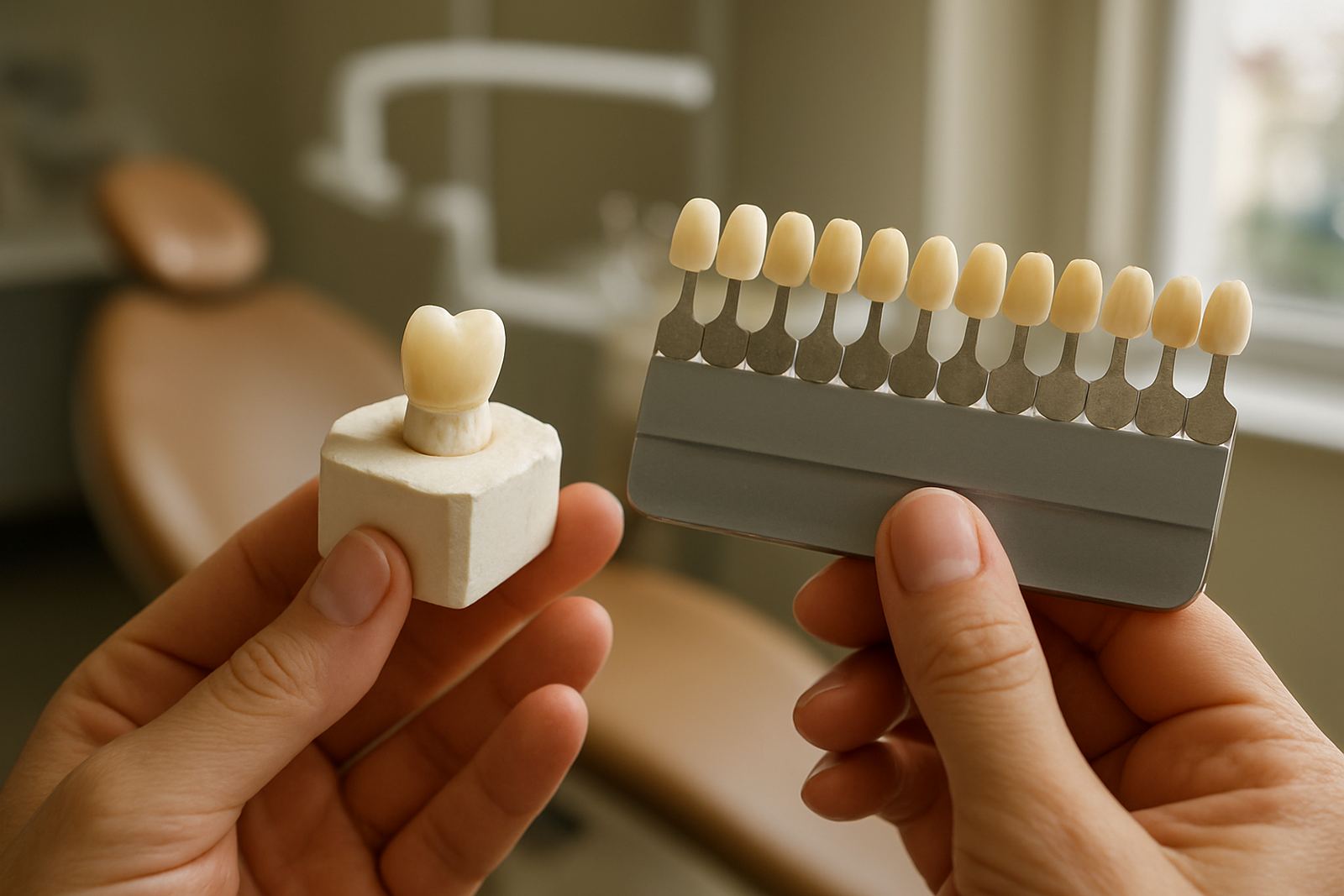
Fillings, crowns and other restorations do not last forever. If a filling wears down or a crown chips, the bite can change by a small amount at first. That small change may be enough to create a high spot, make one tooth strike early, or cause food to pack differently.
Patients sometimes describe this as the mouth feeling “off” after a repair, but the cause is not always the new work itself. More often the tooth has changed shape over time and the bite is now asking that tooth to carry more than it should. An early adjustment can prevent bigger problems later.
It is worth checking old work if you notice any of these:
- Clicking when you chew
- One tooth hitting first when you close
- New sensitivity around an old filling or crown
- Food collecting in the same place after meals
A careful examination and bite assessment can show whether the problem is a worn restoration, a shifted tooth or a broader bite imbalance.
What to do when your bite feels different
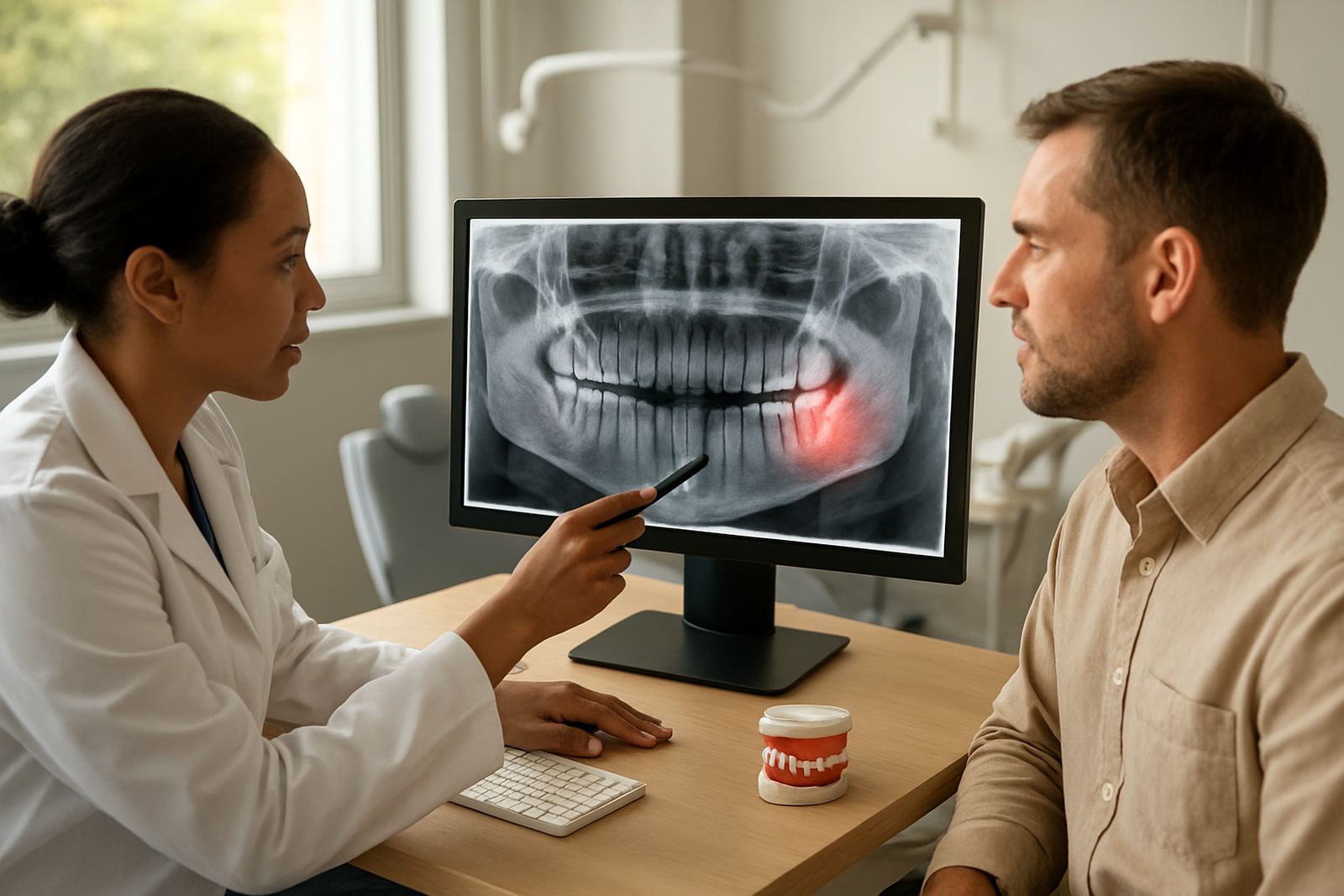
If your bite has changed, do not ignore it and hope it settles on its own. Teeth rarely move back into a better position without help. The first step is a proper assessment, because treatment depends on the cause. What helps a worn bite will not be the same as what helps a bite affected by missing teeth or gum loss.
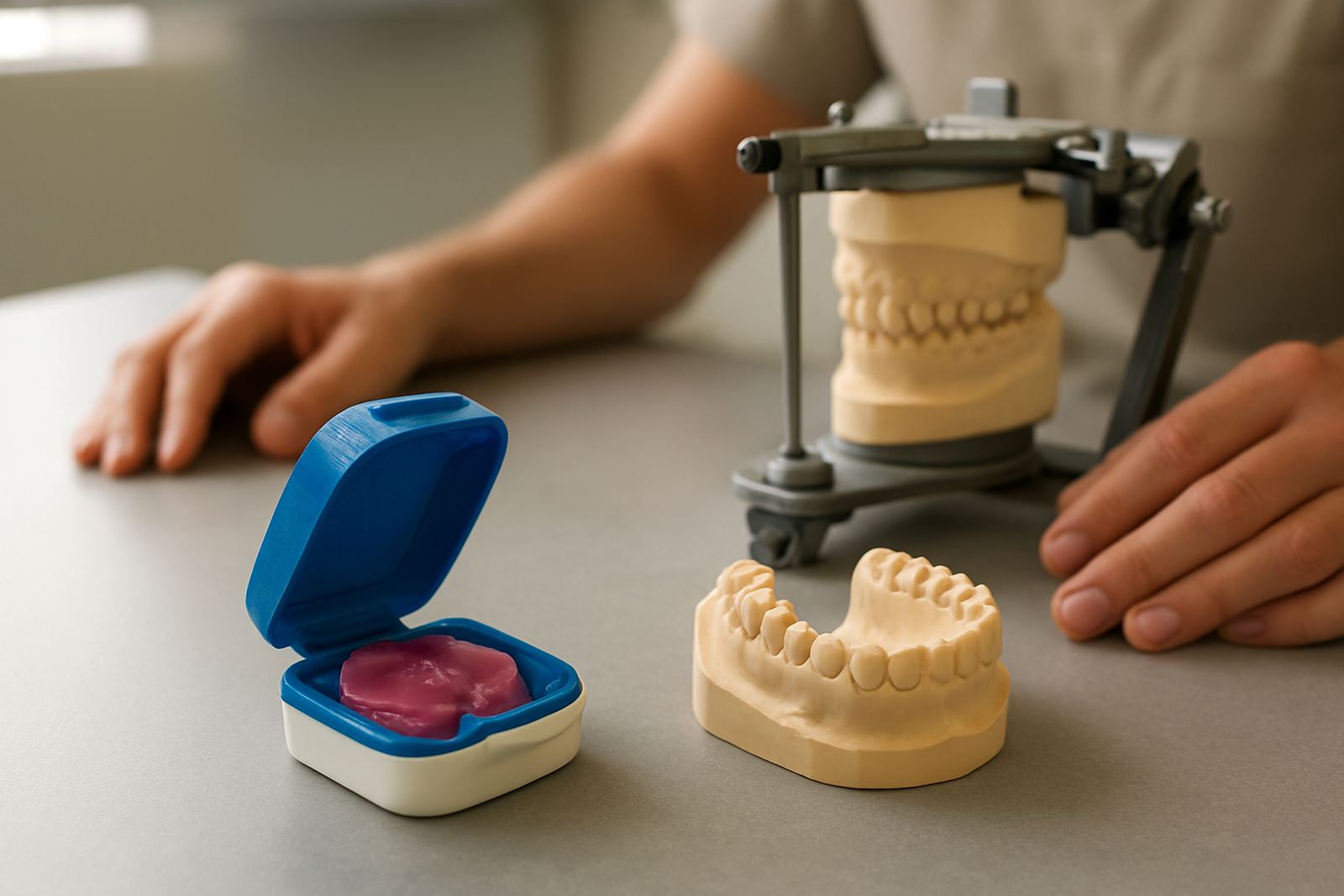
At an appointment we may look at wear patterns, check gum support, review missing teeth, and assess how the upper and lower teeth meet. From there the plan may include preventive care, cosmetic consulting, implant planning, orthodontic assessment, sedation options if needed, or aftercare follow-ups to keep the result stable.
Useful next steps include:
- Book a check if chewing feels uneven or painful
- Tell the dentist when the change started and whether it is getting worse
- Bring details of old fillings, crowns or extractions if you know them
- Ask about payment guidance early so you can plan treatment properly
For patients coming from Sandton, Morningside, Rosebank, Rivonia, Bryanston or Fourways, early review can save time and extra work later. A changing bite is often easier to manage when caught before the wear, shifting or tooth loss becomes advanced.