
What inlays and onlays do for a damaged tooth
An inlay or onlay is a custom-made restoration used when a filling is no longer enough, but a full crown is not yet needed. An inlay fits inside the grooves of the tooth, while an onlay covers one or more cusps on the biting surface for extra support. Both are designed to restore shape, strength and function without removing more tooth than necessary.
These restorations are often chosen for back teeth that take heavy chewing pressure. They can help when a tooth has a large cavity, a cracked filling, mild fracture lines or worn chewing edges. In many cases, this gives a better long-term result than repeatedly replacing fillings that keep breaking down.
Ceramic options, sizes and bite coverage
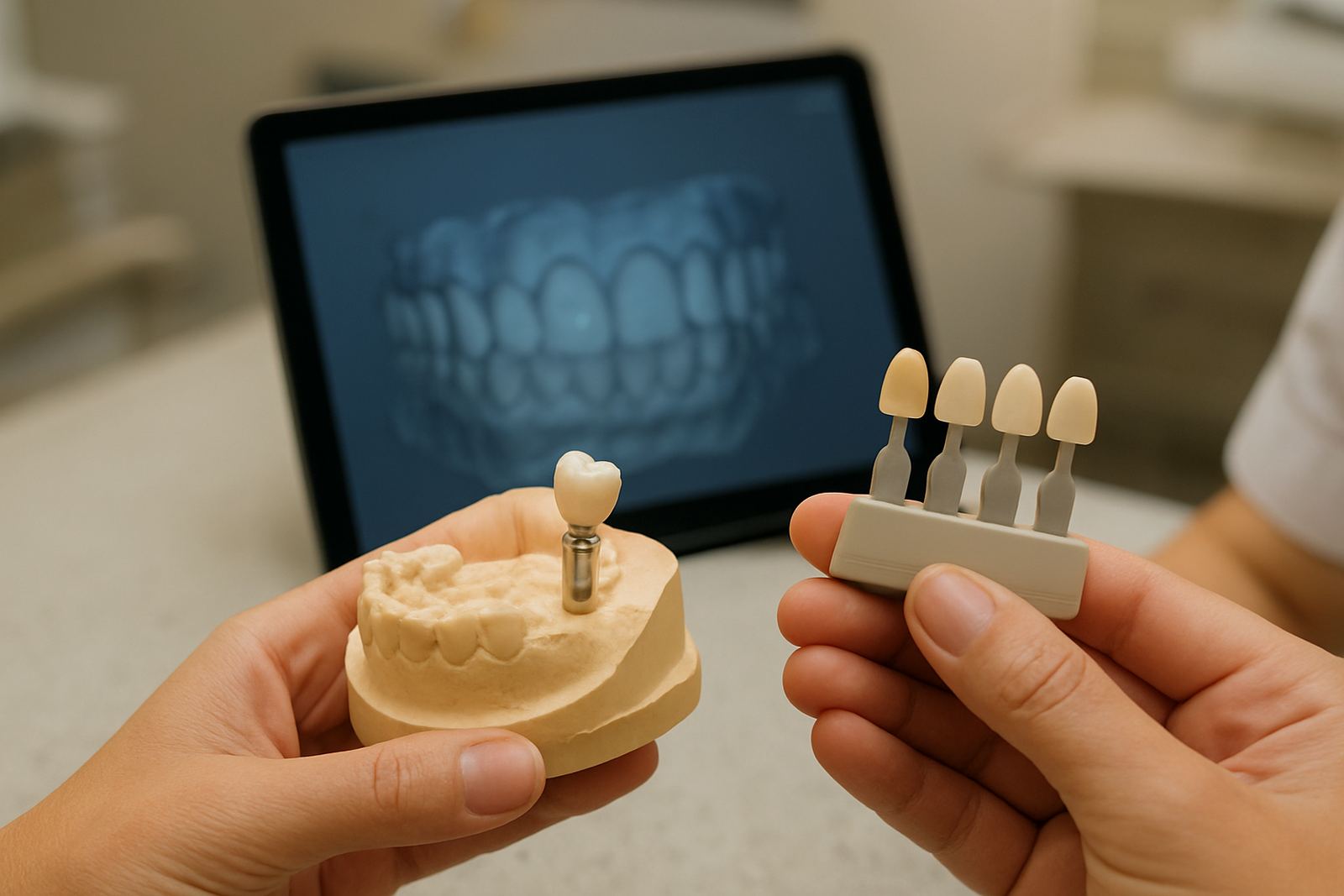
We mainly use ceramic restorations for a clean fit, good colour matching and reliable wear resistance. Ceramic is a practical choice for people who want a natural look and do not want a metal margin showing near the gum line. Where suitable, the shade is matched to nearby teeth so the repair blends in properly.
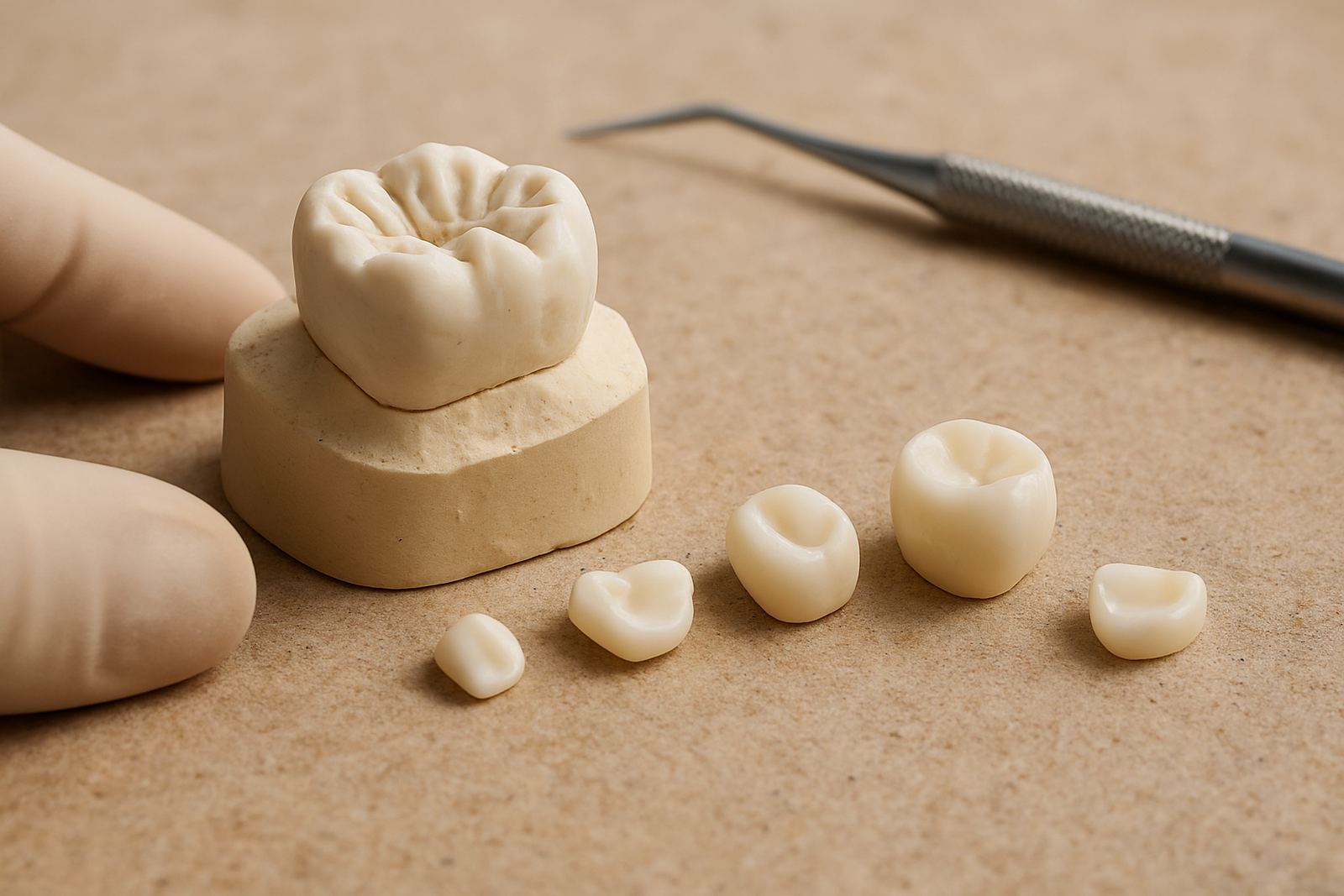
- Small inlay: covers a limited cavity or old filling inside the cusps
- Medium inlay: restores a broader chewing surface with sidewall support
- Partial onlay: covers one cusp or edge that has weakened
- Full onlay: covers several cusps and gives more structural support
The right size depends on how much healthy tooth remains, the bite pattern and whether the tooth has had repeated repairs before. A back molar with a large crack may need an onlay instead of another filling, while a smaller premolar cavity may only need an inlay.
When an inlay or onlay suits best
This treatment suits patients who have enough sound tooth structure left to support a bonded restoration. It is commonly used for teeth that are still stable but have lost too much material for a simple filling to be dependable. If the tooth is badly broken down, root-treated and fragile, or heavily worn, we may discuss a crown or other options instead.
- Large old amalgam or composite fillings
- Cracked chewing surfaces
- Recurrent decay around an existing filling
- Teeth with wear from grinding
- Back teeth that need better load distribution
We also look at the patient’s habits. Grinding at night, chewing ice, or biting very hard foods can put extra strain on any restoration. In these cases, a night guard may be advised to protect the tooth and extend the life of the work.
Digital planning, scanning and placement in practice
At Techno-Dent Clinic, the process starts with a consultation and clinical assessment, often supported by digital imaging. We check the tooth, the surrounding gums and how your top and bottom teeth meet. If the tooth needs treatment first, such as decay removal or root canal planning, that is dealt with before the restoration is made.
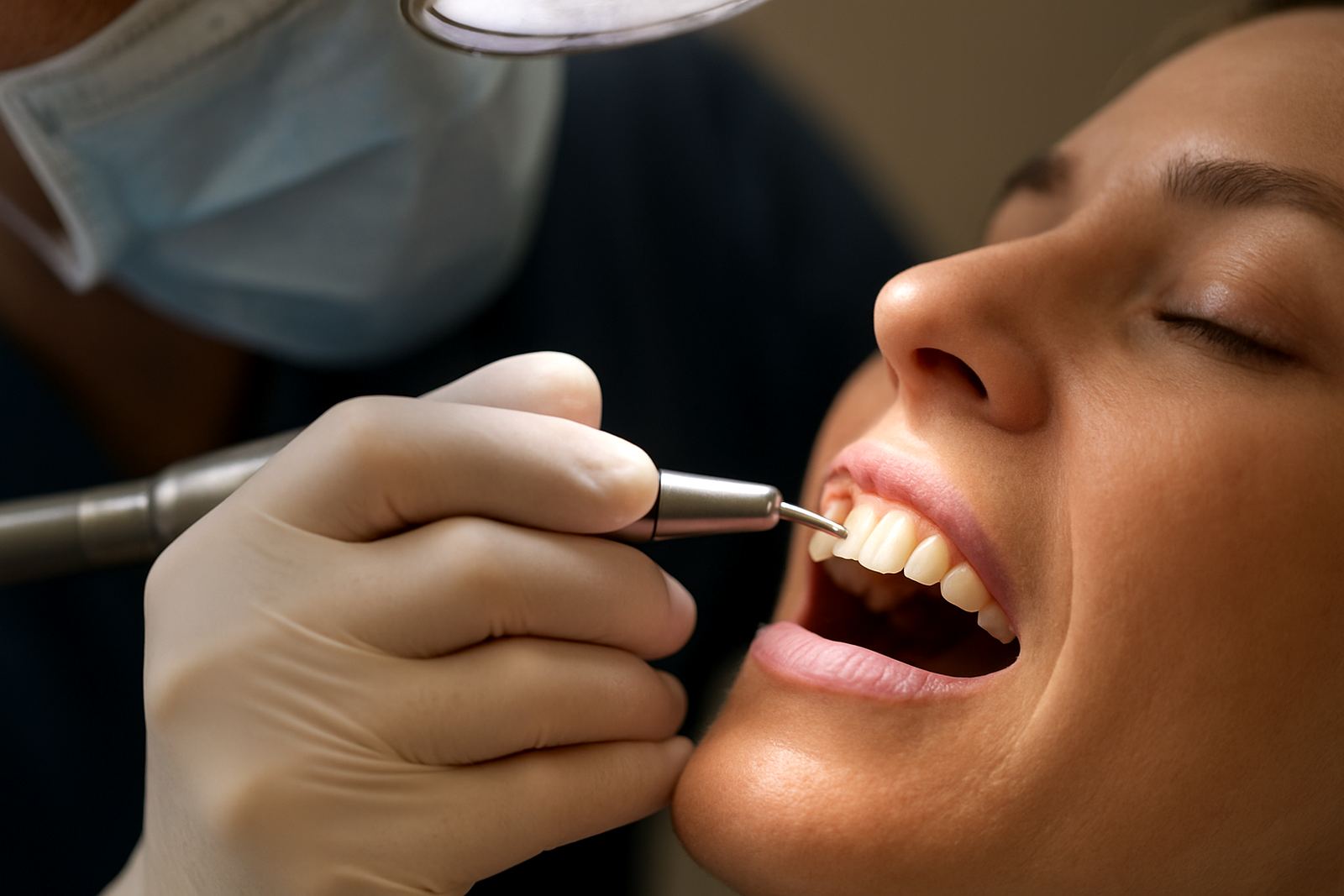
For the actual fit, the tooth is prepared conservatively, meaning only the damaged area and weak edges are removed. We then record the shape accurately and the restoration is made to match the tooth’s bite and contacts. Depending on the case, the tooth may receive a temporary covering while the final piece is prepared. The final inlay or onlay is bonded in place with careful adjustment so the bite feels normal, not high or sharp.
There is no power or gas requirement for you as the patient. In practice, the treatment uses standard chairside dental equipment, local anaesthetic where needed, and digital records for planning. If sedation options are appropriate for anxiety or a longer appointment, that is discussed before treatment.
Aftercare, cleaning and long-term servicing
After placement, most patients can return to normal eating once the numbness has worn off, although we usually advise starting with softer foods on the first day. Ceramic inlays and onlays need the same daily care as natural teeth: brushing twice a day with fluoride toothpaste, cleaning between the teeth and keeping up with routine check-ups. Good gum health matters too, because inflamed gums can affect the edges around any restoration.
- Avoid biting hard items like pens, ice or fingernails
- Use a night guard if you clench or grind
- Keep six-month examinations so small issues are picked up early
- Report any catching, pain on biting or sensitivity that lingers
With proper care, these restorations can last for years. If the bite changes, a filling elsewhere breaks, or the tooth becomes sensitive after a knock, we can review it and adjust the plan. Sometimes a simple polish or bite adjustment is all that is needed. In some cases, the old restoration has to be replaced before the tooth suffers further damage.
What to check before you order treatment
Before you book, it helps to know exactly what problem the tooth has and what result you want. A good treatment plan should explain whether the tooth needs an inlay, onlay, crown or another repair, and why that option is best. We also look at whether the tooth can be saved conservatively or if there are signs of deep fracture, ongoing decay or nerve involvement.
- Which tooth is being treated and why
- Whether the work is ceramic or another material
- How much of the tooth will be removed
- Whether temporary treatment is needed first
- Expected appointment count and healing time
- Any sedation, payment or aftercare requirements
If you live in Sandton, Bryanston, Rivonia, Morningside, Fourways or Rosebank, our team can guide you through the full process from assessment to follow-up. For patients who need more than one tooth restored, we can stage the treatment sensibly so it fits into work and family schedules.
Key facts
| Material | Tooth-coloured ceramic, shade matched where suitable |
|---|---|
| Coverage | Inlay inside cusps or onlay over one or more cusps |
| Best for | Large fillings, cracks, wear and moderate decay |
| Preparation | Conservative tooth reduction with bonded placement |
| Power or gas needs | No patient power or gas requirement; local anaesthetic and standard dental equipment used |
| Maintenance | Brush, floss, 6-month reviews and night guard where needed |