
What deep cleaning does for inflamed gums
Deep cleaning is used when ordinary brushing and a standard polish are not enough to remove tartar and bacteria sitting under the gumline. The aim is to reduce gum pocket depth, calm bleeding, and help the tissue reattach more comfortably around the teeth. It is not the same as a quick scale and polish. It is a more focused periodontal cleaning for areas where build-up has settled in hard to reach places.
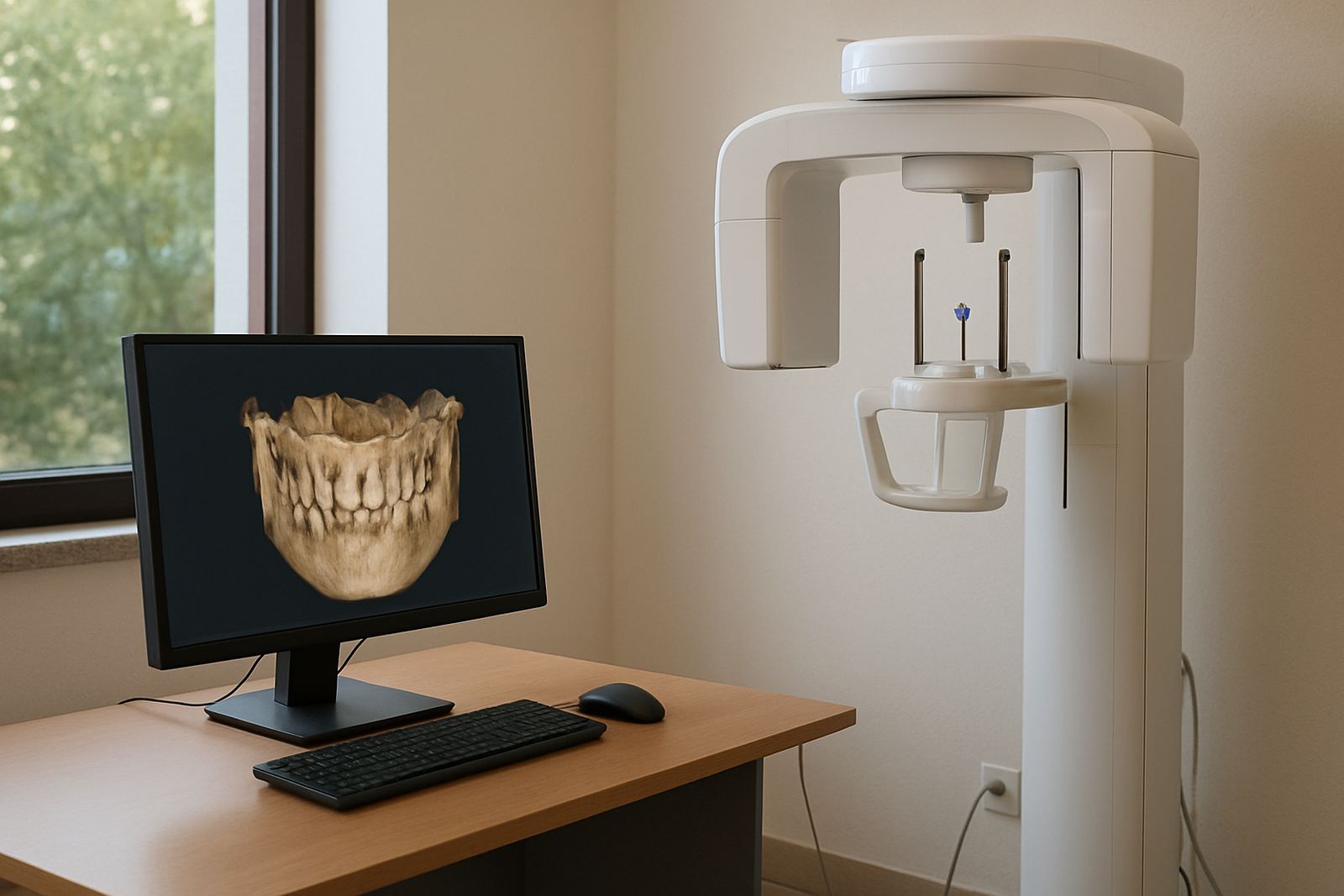
In practical terms, this service is often recommended when gums bleed during brushing, there is a bad taste that keeps returning, or x-rays and probing show pockets that need proper treatment. We work gently and in measured sections, because over-treating sore tissue can make recovery slower. The right approach is to clean thoroughly without irritating the gums more than necessary.
- Removes plaque, calculus, and biofilm below the gumline
- Helps reduce bleeding, swelling, and tenderness
- Supports fresher breath and easier home care
- Can slow down progression of gum disease when done on time
When this treatment suits Sandton patients
Deep cleaning suits patients with early to moderate gum disease, persistent gum inflammation, or build-up that keeps returning around the back teeth and molars. It also suits patients who have not had regular maintenance for some time, especially where calculus has hardened and the gums have started to form deeper pockets. For people in Sandton, Bryanston, Rivonia, Morningside, Fourways and Rosebank, it is often the step that gets gum health back under control before bigger dental work is planned.
This service is also useful before certain cosmetic or restorative treatments, because healthy gums give better results and make aftercare easier. If you have diabetes, smoke, or clench at night, we may suggest more regular maintenance visits since these factors can affect healing and gum stability. In some cases, we combine the deep clean with periodontal reviews so we can monitor whether pockets are shrinking over time.
- Bleeding gums or puffy gum margins
- Visible tartar under the gumline
- Bad breath that returns quickly
- Loose-feeling teeth or gum recession
How the treatment is done in the chair
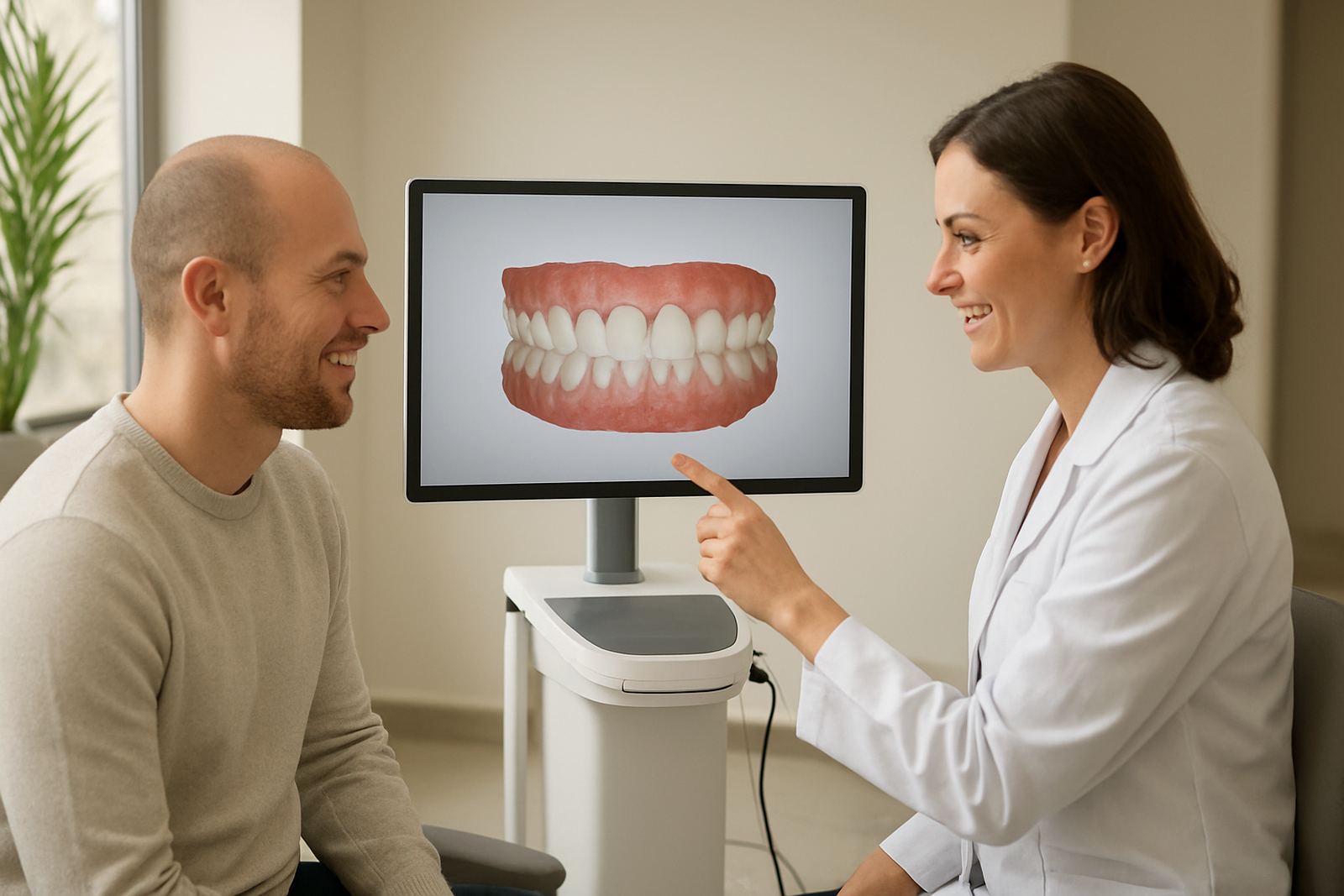
We first assess the gums, take pocket measurements, and check the areas where deposits have formed. From there, the treatment is divided into sections so the gums are not overloaded in one visit. Depending on the amount of work needed, we may use local numbing for comfort. The cleaning itself removes hardened deposits from above and below the gumline, then smooths the root surface so bacteria have fewer places to cling.
Most patients do well with a staged plan, often one side at a time or upper and lower sections split over more than one appointment. That makes eating and speaking easier afterwards, and it gives sore tissue time to settle. If the gum pockets are deeper, we will explain what can be reached with non-surgical periodontal care and when a review is needed. The process is steady, not rushed, and we keep communication clear throughout.
- Initial periodontal charting and gum assessment
- Sectional cleaning of deposits below the gumline
- Local numbing where needed for comfort
- Follow-up review to check pocket response
Sizes, treatment options, and visit planning
Deep cleaning is not sold in a one-size-fits-all way. The scope depends on how many teeth are affected, how deep the pockets are, and whether one jaw or both need treatment. For some patients it is a limited cleaning of a few problem areas. For others it is a full-mouth periodontal clean spread over multiple visits. We will also advise whether a maintenance schedule is needed every 3 to 6 months, especially if gum disease has already started.
For patients who are anxious, we can discuss sedation options where appropriate, though many deep cleanings are comfortably managed with local numbing only. The appointment length varies too. A smaller treatment may take under an hour, while a more involved session can run longer. The main thing is that the plan matches the clinical need, not just the clock. That way the gums get proper attention and the aftercare is easier to follow.
- Single quadrant treatment
- Half-mouth treatment
- Full-mouth periodontal cleaning
- Maintenance visits for ongoing gum care
What to expect with comfort, recovery, and aftercare
After a deep cleaning, it is normal for teeth to feel a bit more sensitive for a few days, especially with cold water or cold drinks. The gums may feel tender where the deposits were heavy. We will give clear home-care instructions, which usually include a soft toothbrush, careful flossing or interdental cleaning, and a sensible choice of toothpaste for sensitivity if needed. Most patients can return to normal routines the same day, although hot, spicy foods may be less comfortable for a short time.
Follow-up is important because gum pockets do not improve on cleaning alone if home care is rushed. We usually check healing, bleeding, and pocket response after treatment, then decide whether another session or a maintenance visit is needed. If you have loose teeth, recession, or ongoing bleeding, we will not leave you guessing. You will know what changed and what still needs attention, which helps you stay on top of things before the problem gets bigger.
- Use a soft brush and gentle pressure
- Avoid smoking while the gums are healing
- Rinse as advised if sensitivity or soreness is present
- Return for the review even if symptoms improve quickly
Care, servicing, and what to check before you book
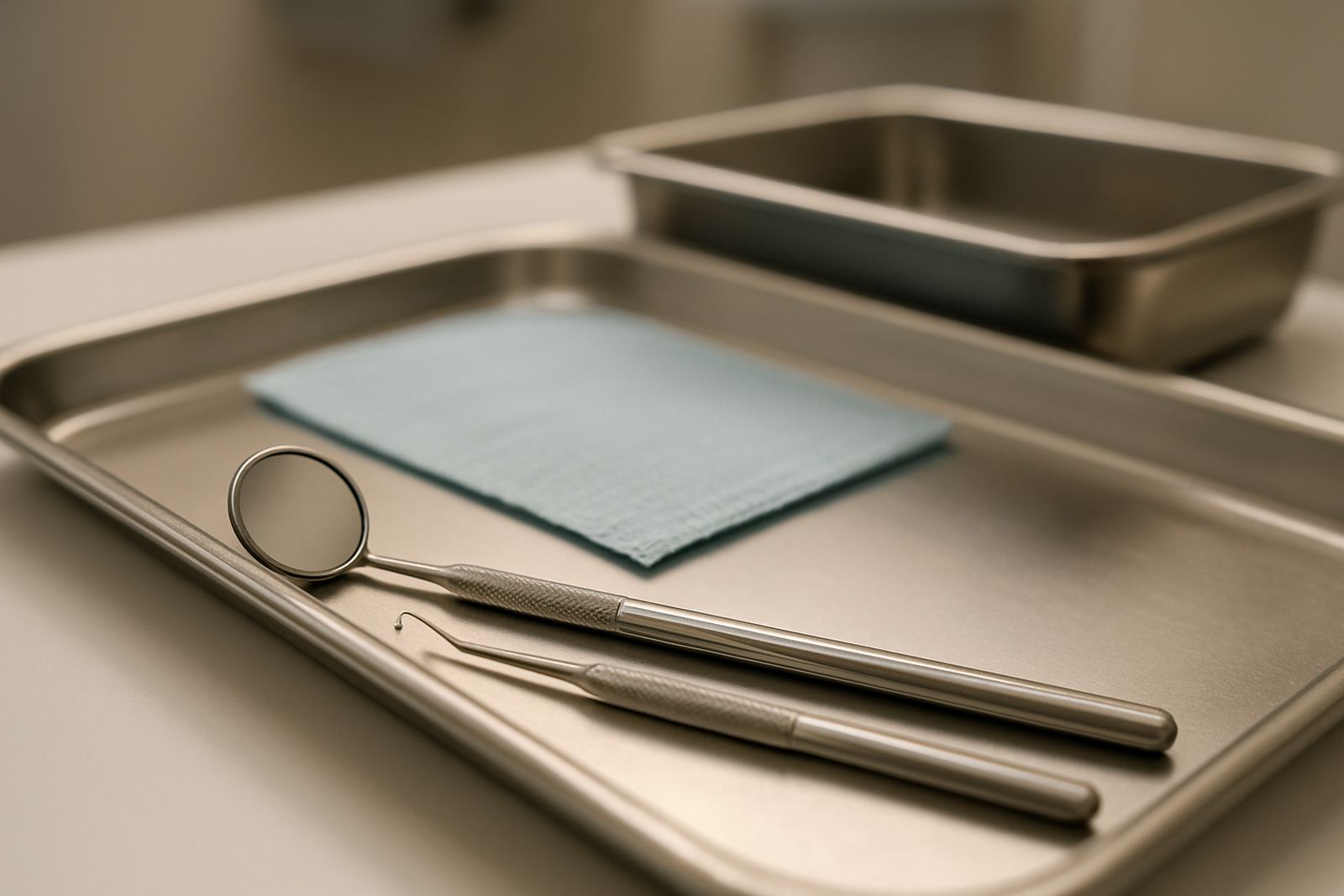
Since this is a clinical service, there is no installation, power supply, or gas connection needed. Care is about proper sterilisation, accurate periodontal measurements, and regular servicing of the instruments used during treatment. At Techno-Dent Clinic, we keep the workflow organised so each appointment runs on time and with the correct materials. That matters in a busy Sandton practice where patients often fit treatment around work, school runs, and traffic on the M1 and main routes into the area.
When you book, it helps to confirm a few things so the visit is planned properly. Tell us if you have had previous gum treatment, if you are on blood thinners, if you are pregnant, or if your gums bleed often. Also mention any sensitivity, broken fillings, crowns, or implants in the area, since these affect how the cleaning is approached. If you need help with payment guidance or staged treatment planning, we can explain that before the first appointment. We serve patients from Sandton, Bryanston, Rivonia, Morningside, Fourways and Rosebank, and we keep communication practical from the start.
- Current gum symptoms and bleeding history
- Medication use and medical conditions
- Whether one area or full-mouth care is needed
- Any restorations, crowns, or implants near the affected teeth
Key facts
| Service type | Non-surgical periodontal deep cleaning |
|---|---|
| Primary purpose | Removes plaque and calculus below the gumline |
| Typical scope | Single quadrant, half-mouth, or full-mouth treatment |
| Comfort options | Local numbing, with sedation options where appropriate |
| Follow-up | Gum review and pocket reassessment after treatment |
| Power / gas needs | None required |