The brief from a busy Woodmead manager
The patient was a mid-career manager based in Woodmead, Johannesburg, dealing with regular meetings, long drive times and a lot of stress after hours. The main complaint was grinding at night, with chipped edges on the front teeth and sensitivity on a few back teeth. The bite had started to feel “off”, especially when chewing tougher foods or eating late after work.
Our brief was simple but specific: reduce the damage caused by bruxism, restore the worn tooth surfaces, and improve bite comfort without making the smile look overdone. The patient wanted something practical that would suit a professional routine, with fewer appointments and clear guidance on what to do at home.
- Client type: private working professional in a corporate role
- Location: Woodmead, Sandton region
- Main concerns: grinding, wear, sensitivity, bite discomfort
- Goal: restore function first, then improve appearance
Clinical findings and the main constraints
On examination, the wear pattern showed flattening on several chewing surfaces and visible chipping along the incisal edges. The jaw muscles were tender, and the bite marks suggested the teeth were meeting too heavily at night. We also noted early enamel loss on the palatal surfaces, which is common in cases where grinding has been going on for a while.
The biggest constraint was time. The patient could not commit to many long visits, and the treatment plan had to work around a demanding calendar. There was also the usual challenge of balancing strength with appearance, because any restorations had to handle load without looking bulky. In addition, we planned for South African realities like load-shedding and after-hours traffic, so appointments had to be efficient and well sequenced.
- Constraint 1: limited appointment windows during business hours
- Constraint 2: restoring worn teeth without changing the face shape too much
- Constraint 3: protecting the restorations from ongoing grinding
- Constraint 4: keeping the plan practical for home care and follow-up
Digital records, bite mapping and night guard planning
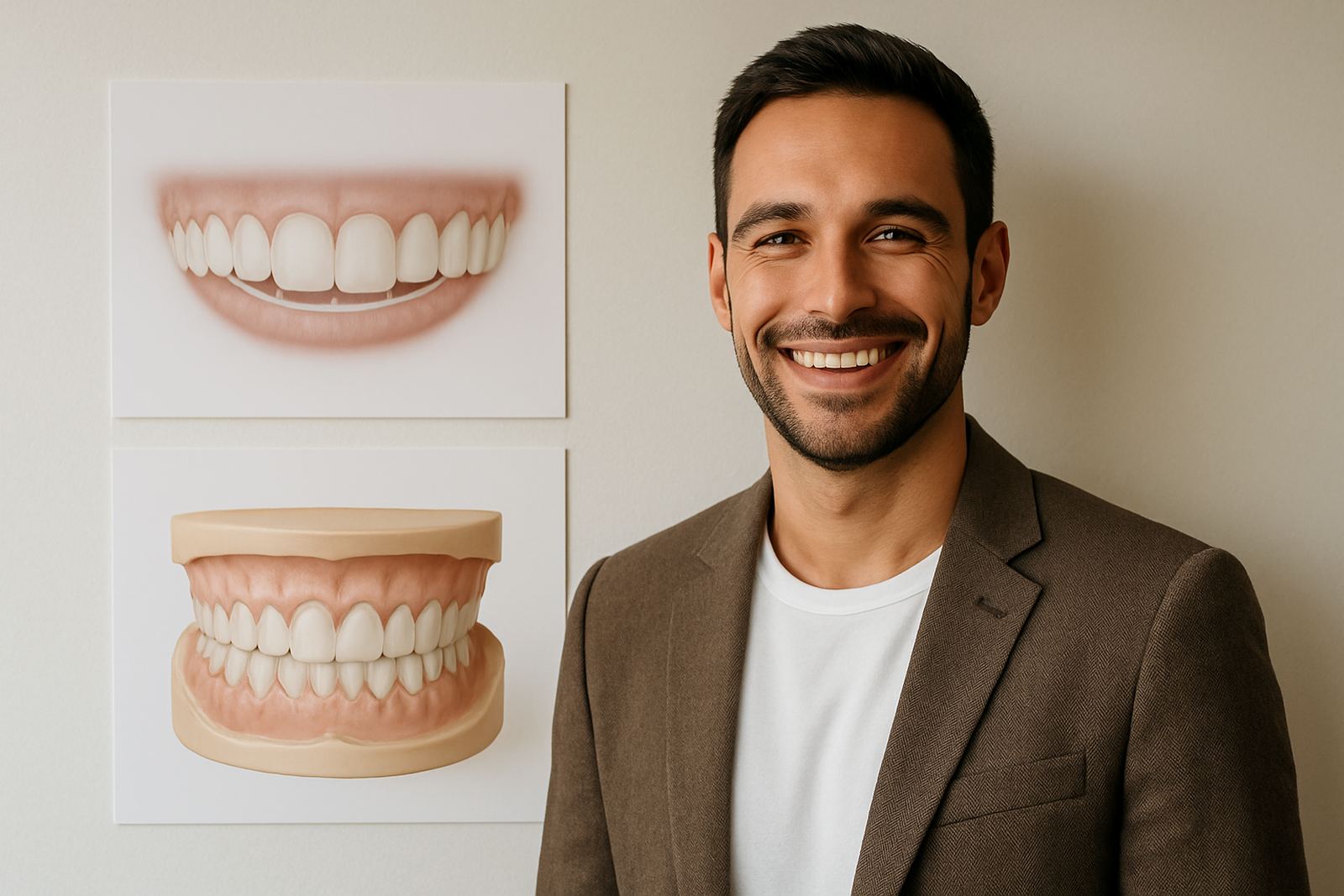
We started with a full New Patient Consult, photographs and digital imaging to map the wear and check the bite contacts. The images helped us compare the worn areas tooth by tooth and showed exactly where the force was landing. That made it easier to plan conservative restoration rather than doing more than necessary.
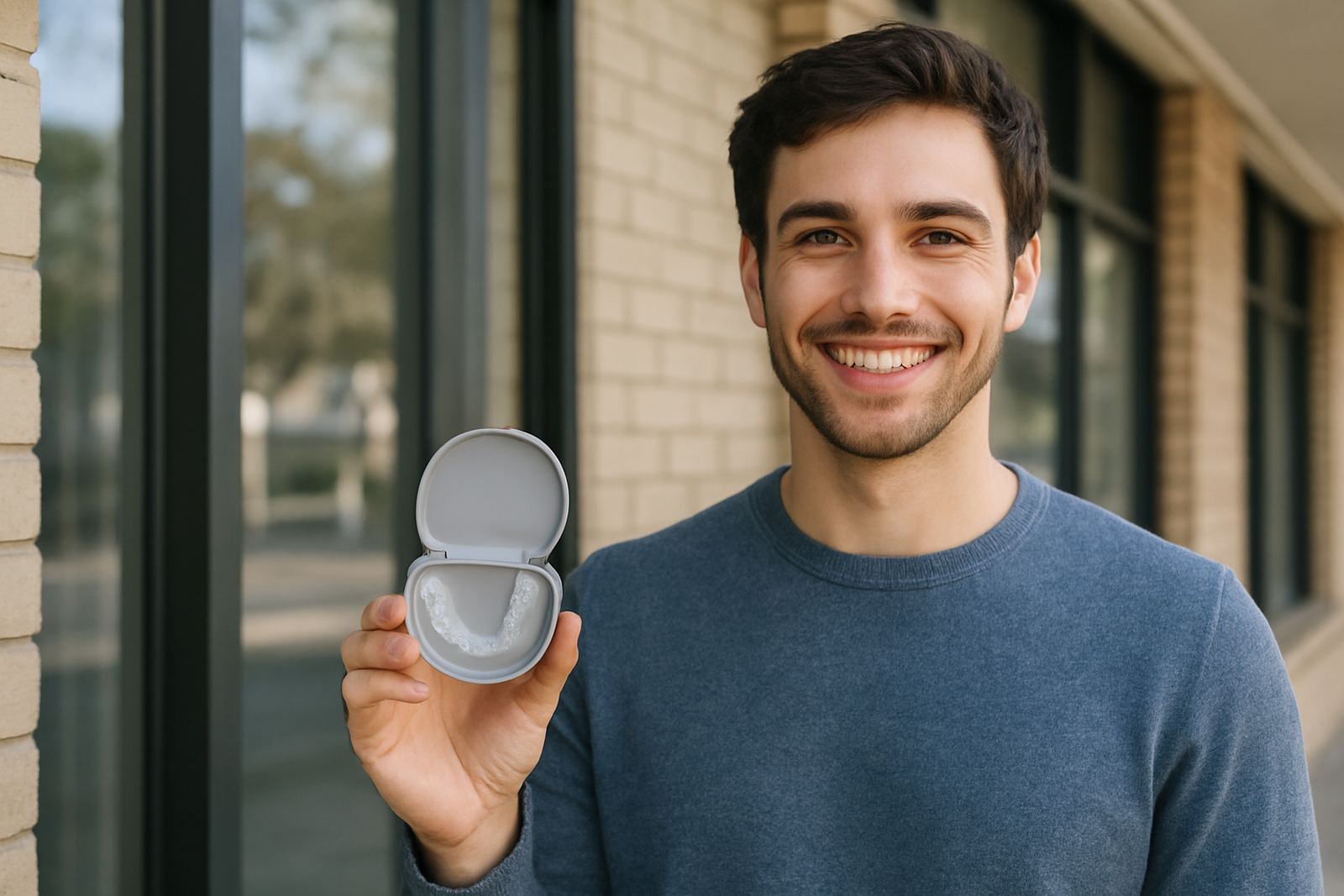
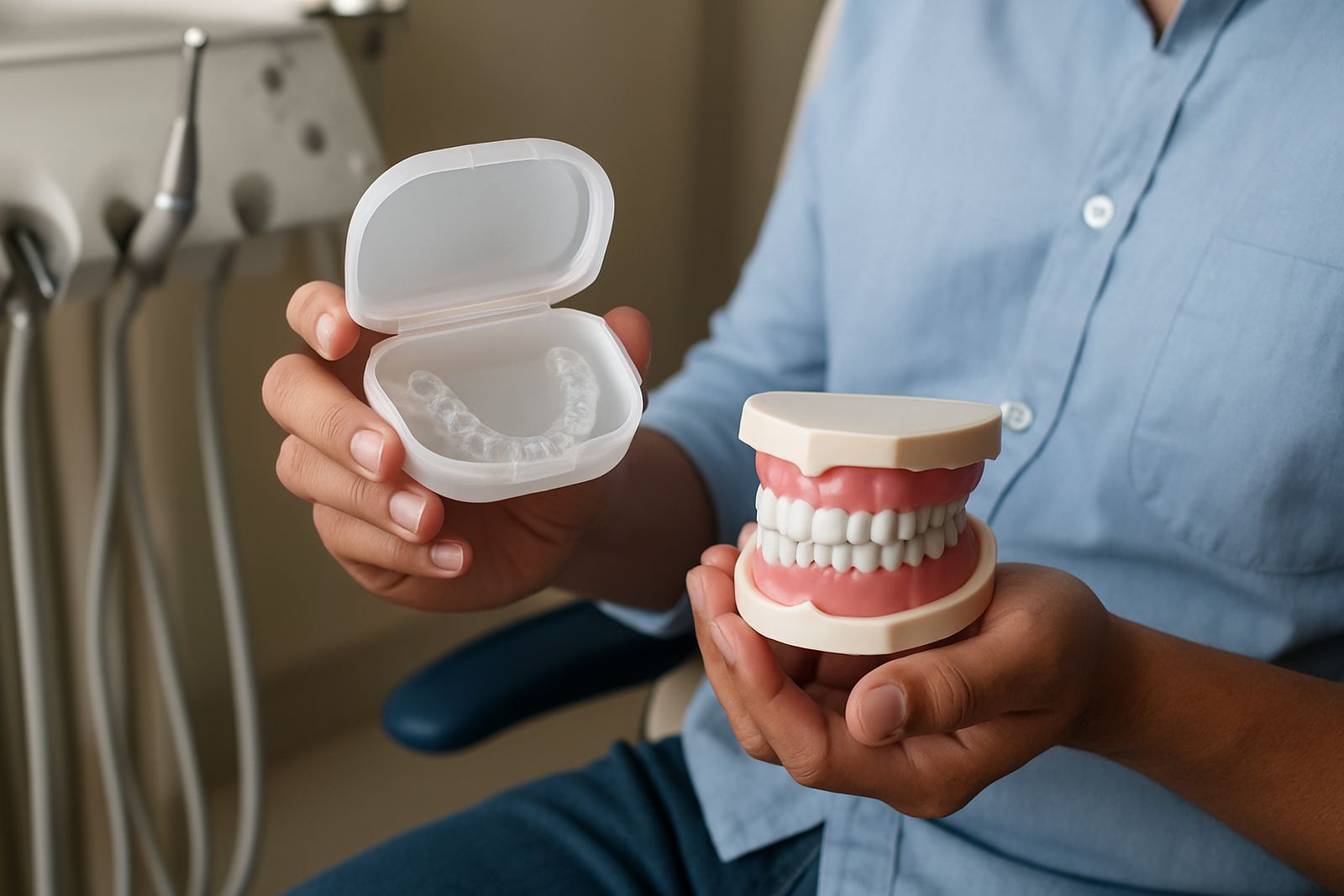
After the assessment, we discussed night guard therapy to protect the teeth overnight. The guard was designed to distribute force more evenly and reduce direct tooth-to-tooth contact while sleeping. We also explained that the guard would not stop stress, but it would give the teeth and jaw muscles a better chance to settle down. The patient appreciated the clear payment guidance too, because the care plan was set out in stages.
- Digital photographs and intraoral imaging were taken at baseline
- Bite contacts were checked in centric and during side movements
- Upper night guard planned for overnight wear
- Restorative sequence built around the areas with the most wear
What we supplied and completed in the chair
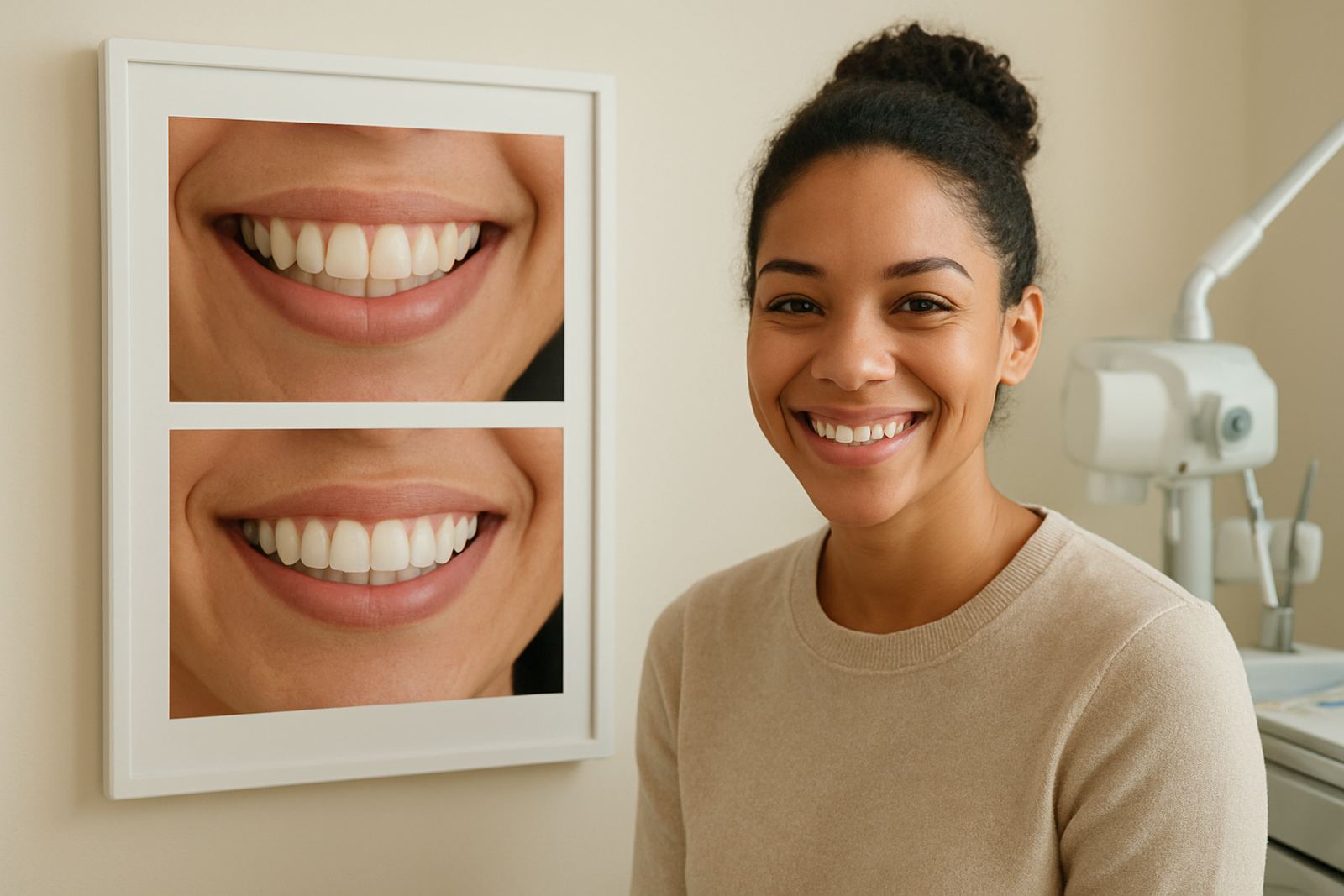
The treatment combined preventive and restorative care. We fitted a custom night guard for evening wear, then completed worn-tooth restoration on the most affected surfaces using tooth-coloured materials matched to the existing shade. Where edges had chipped, the shape was rebuilt in a way that restored function first and appearance second. The result was a more even bite and cleaner front-tooth alignment without a dramatic change to the smile.
Because the patient had some sensitivity, we worked carefully and kept each visit focused. Sedation was discussed as an option but was not needed in this case. The main work was carried out over a few appointments, and the practice manager coordinated timing so the patient could move through the plan without unnecessary delays. The final adjustments were done slowly, because a tiny change in contact can make all the difference when grinding has been going on for years.
- Custom night guard delivered for overnight use
- Tooth-coloured restoration used for worn edges and bite surfaces
- Occlusion adjusted for better contact distribution
- Aftercare instructions given for cleaning, storage and wear time
Timeline, turnaround and follow-up
The full case ran over 4 weeks from first consult to final review. Week 1 covered assessment, records and bite analysis. Week 2 was used for planning and guard fabrication. Week 3 focused on the restorative appointments. Week 4 was reserved for bite refinement and follow-up checks once the patient had used the guard for a few nights.
That schedule worked well for a Woodmead patient with a packed diary, and it also gave us time to make small changes if needed. The follow-up visit confirmed that the night guard was fitting correctly and that the restored areas were settling in well. There was less morning tightness, and the patient reported that chewing felt more even by the end of the first week after completion.
- Week 1: consult, digital records, bite evaluation
- Week 2: night guard planning and fabrication
- Week 3: restoration of worn teeth
- Week 4: review, minor bite refinements, home-care check
Results and what we would do again
The outcome was a calmer bite, less strain on the jaw and a smile that looked more complete without looking artificial. The worn teeth were supported again, the sensitivity reduced and the patient had a clear routine for protecting the work going forward. For a manager dealing with pressure and irregular hours, the biggest win was that the treatment fit into real life and not just into a treatment plan on paper.
If we were treating a similar case again, we would follow the same sequence: record the wear properly, protect the teeth first, then rebuild the worn areas in stages. We would also keep the follow-up close, especially in the first month, because bruxism patients often need a small adjustment after they start using a guard. That extra review can stop a minor issue becoming a bigger one.
- Less morning jaw tightness reported after treatment
- Improved bite comfort when chewing
- Restored worn edges and surfaces with a natural finish
- Clear protection plan for ongoing night grinding
Key facts
| Project type | Night guard therapy and worn-tooth restoration |
|---|---|
| Client profile | Woodmead manager, private dental patient |
| Location | Sandton base with Woodmead patient travel |
| Timeline | 4 weeks from consult to final review |
| Core services | New Patient Consult, Cosmetic Consulting, Preventive Care, Aftercare Follow-Ups |
| Key outcome | Reduced grinding impact and improved bite comfort |