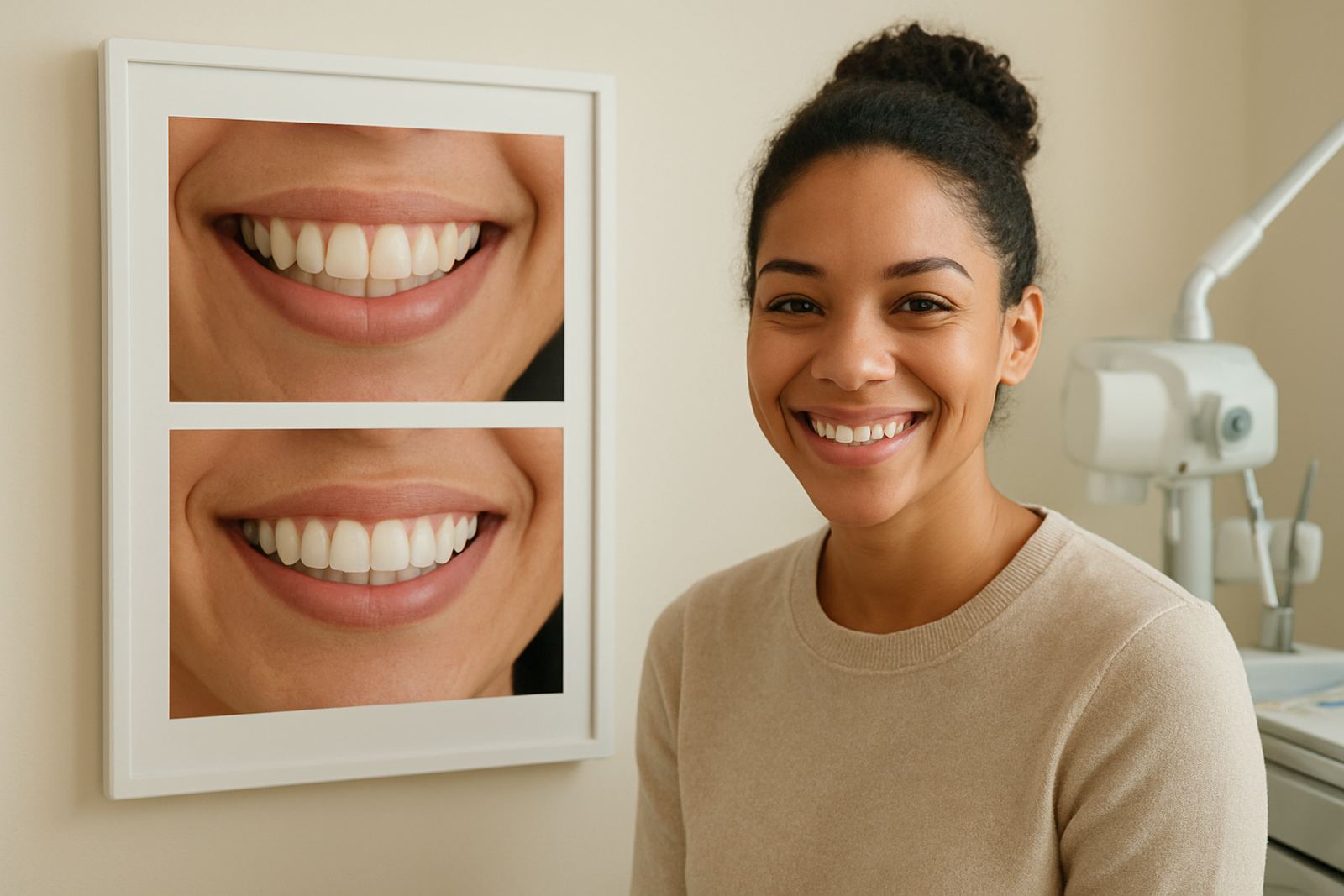

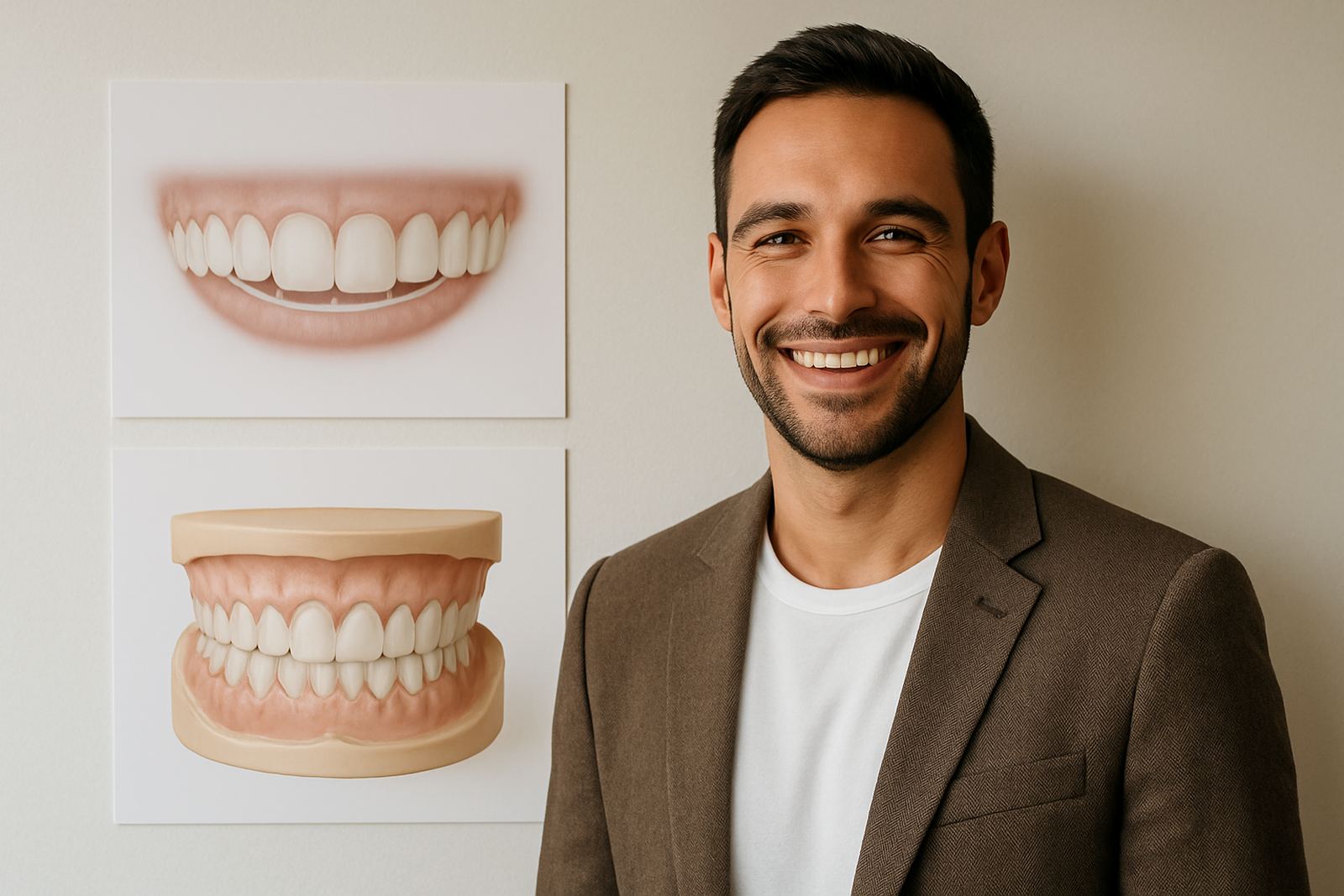
A Rosebank brief that needed a polished, natural finish
The client was a working professional based in Rosebank who wanted a brighter smile for client meetings, photos and everyday confidence. The brief was clear from the start: improve the front teeth without making the result look overdone, and keep the bite comfortable for long days in and out of meetings.
At the first consult in Sandton, Dr Sibusiso Mthembu and Dr Ayesha Khan reviewed the smile line, tooth wear, gum symmetry and how the upper teeth showed when speaking and smiling. The client did not want a very white, blocky look. The aim was a balanced result with softer edges, even colour and a gum line that framed the teeth properly.
Because the patient was commuting through Rosebank and central Johannesburg, we also planned around appointment times, traffic and recovery windows. That meant efficient visits, clear home-care instructions and a schedule that would not disrupt work. The case needed accuracy, but it also had to fit real life.
Digital planning and clinical checks before treatment started
We began with digital imaging and a full assessment so every step was mapped before treatment. This included high-resolution photographs, bite records and a smile design plan that showed how the teeth, lips and gums would work together. The patient could see the proposed direction early, which made it easier to agree on shape and shade before any final work began.
One of the main constraints was preserving as much natural tooth structure as possible. The teeth had some minor unevenness and old colour variation, but the enamel was still healthy enough for a conservative approach. That meant careful preparation, measured shade selection and a plan that would not require over-reduction. We also checked gum health first, because a clean margin is important when the camera is close and the light is bright.
- Initial diagnostic consultation and smile analysis
- Digital photographs and planning records
- Shade matching under clinical lighting
- Gum and bite assessment before cosmetic work
- Clear discussion of treatment sequence and aftercare
What we supplied and how the smile was built
The treatment plan combined cosmetic dentistry with careful contouring and staged finishing. Dr Nandi Dlamini reviewed the alignment concerns, while Dr Pieter van der Merwe assessed whether any support from implant planning would be needed in the long term. In this case, the main focus stayed on the visible smile zone, with no replacement teeth required, but the full team still looked at the mouth as a whole.
We supplied guided cosmetic treatment for the front teeth, selective recontouring, colour correction and gum line balancing where needed. In practical terms, that meant refining the edges so the smile looked even from left to right, then matching the brightness so the upper teeth did not stand out unnaturally against the lower arch. The final finish was chosen to suit South African daylight and office lighting, both of which can reveal any mismatch very quickly.
For comfort, the patient had sedation options available during longer appointments, plus detailed aftercare follow-ups so healing and sensitivity could be monitored. Lerato Moloi coordinated the booking flow, payment guidance and sequence of visits, while Thabo Nkosi managed the imaging records so each stage could be compared accurately.
- Cosmetic tooth shaping and surface refinement
- Smile design confirmation before final finishing
- Shade and contour matching for a natural appearance
- Sedation options available for appointment comfort
- Aftercare follow-ups to check settling and sensitivity
Timeline, appointment flow and patient comfort
The full case ran over five weeks, which allowed enough time for planning, treatment and final checks without rushing the result. Week one was diagnostics and planning. Week two covered the main clinical appointment. Week three was a review and fine adjustment visit. Week four allowed the tissues and teeth to settle. Week five was the final check and photo review.
That kind of timeline works well for busy patients in Johannesburg because it balances speed with control. Load-shedding, traffic delays and work commitments can all interfere with care, so we kept each visit focused and predictable. The patient had clear instructions for home care, and the team checked on comfort after the main appointments. Warm water rinses, gentle brushing and avoiding very hard foods for a short period all formed part of the plan.
The practice also considered practical issues common in Gauteng, including dry indoor air, strong coffee habits and the need for reliable oral hygiene between visits. These details matter when a smile makeover is meant to hold up in daily use, not only on the day of the photo.
Results seen in the mirror and on camera
The final smile looked brighter, more even and better balanced across the front teeth. The colour change was noticeable but still believable, the tooth shape looked cleaner, and the gum line supported the smile rather than distracting from it. The patient reported feeling more relaxed in meetings and more willing to smile in photographs, which was one of the main goals from the start.
From a clinical point of view, the case showed the value of planning the whole smile rather than chasing whiteness alone. The best result came from combining shade control, gum balance and small structural refinements. The mouth also settled well after treatment, with no issues during follow-up and good comfort when speaking, eating and cleaning.
For Rosebank and nearby areas like Sandton, Morningside and Bryanston, this type of work needs to hold up under office lighting, outdoor sunlight and the close view you get in a phone camera. The final finish did that well.
What we would do again for a similar case
If we treated a similar patient again, we would keep the same sequence: digital planning first, conservative cosmetic changes second, then a structured follow-up plan. That order gives the patient time to understand the options and gives the team better control over colour, shape and long-term comfort.
We would also keep the communication simple and direct. Patients usually want to know how many visits are needed, what they will feel, how long sensitivity may last and how the smile will age. Clear answers help with confidence, especially when the client is balancing work, family and travel through Johannesburg traffic. The same approach also makes it easier to plan around emergency dentistry needs if anything unexpected comes up during treatment.
For cases like this, the main lesson is that a good smile makeover is not about doing more. It is about choosing the right steps, in the right order, and checking each detail before moving on.
Key facts
| Project type | Rosebank smile makeover |
|---|---|
| Patient base | Rosebank, Johannesburg |
| Timeline | 5 weeks |
| Main focus | Colour, shape and gum line balance |
| Planning method | Digital imaging and smile design |
| Lead clinician | Dr Sibusiso Mthembu |