
Start with your reason for treatment
Before the appointment, write down why you are considering an implant. It may be a missing front tooth, a back tooth that has been gone for years, or a bridge or denture that no longer feels secure. A clear reason helps the dentist understand whether the main goal is function, appearance, speech, eating comfort or a mix of all three.
If you have had tooth loss for some time, note when it happened and whether the area ever felt sore, swollen or infected. That detail matters because the jaw bone can change shape over time. In a Sandton practice, it is common to see patients who want to replace a tooth they lost years ago after an old filling cracked on a Saturday and the tooth had to be removed quickly. The story behind the gap often tells us as much as the gap itself.
Bring the records that save time
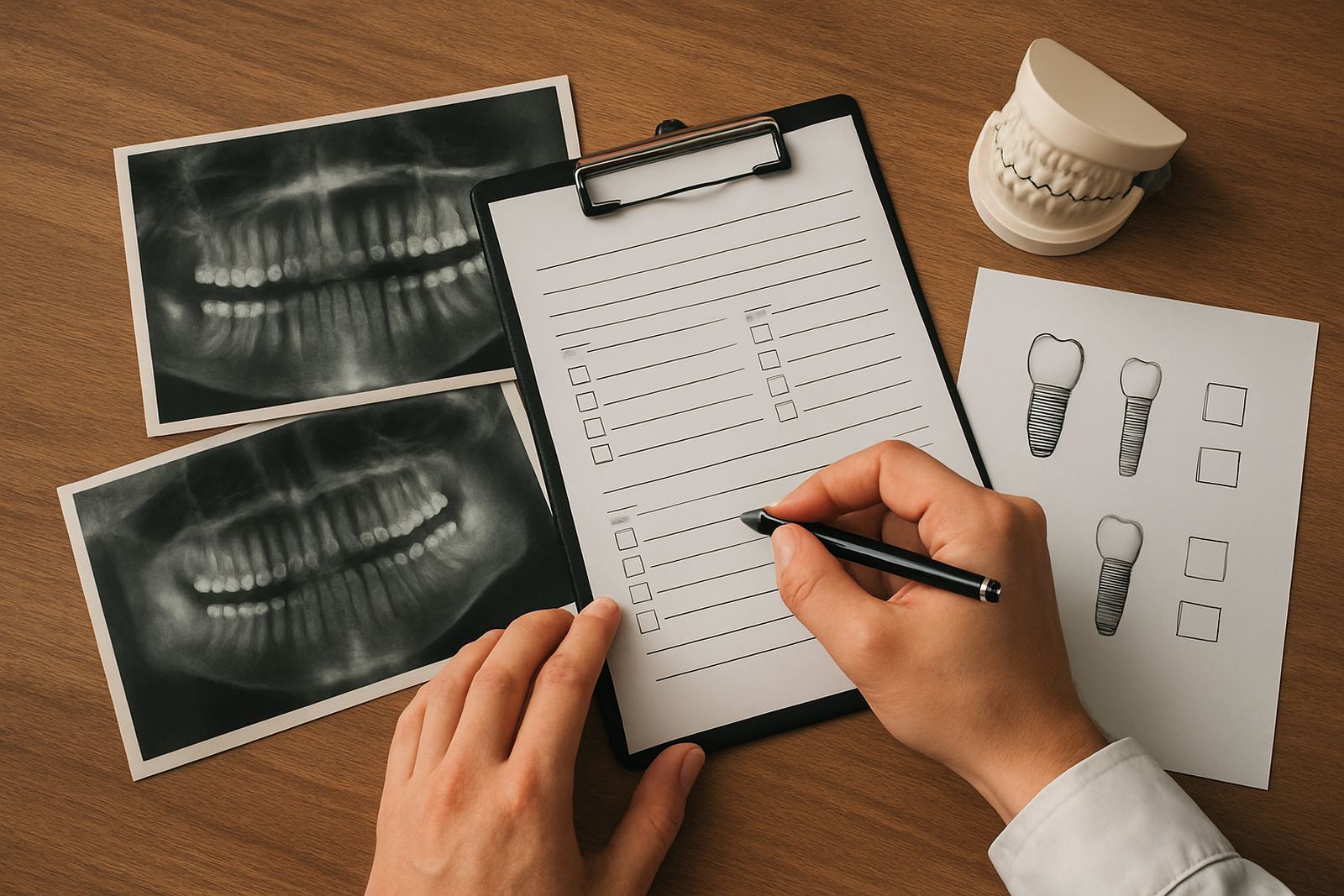
Try to arrive with any recent dental information you have. This does not need to be perfect, but it helps the consultation run smoothly and keeps decisions grounded in what has already been done. Bring old X-rays, a list of medicines, and the details of any previous dental work if you know them.
- Copies of recent dental X-rays, if available
- A list of medicines, including blood thinners and supplements
- Medical conditions such as diabetes, high blood pressure or osteoporosis
- Any history of smoking or vaping
- Details of previous implants, crowns, extractions or gum treatment
If you have a referral note from another dentist, bring that too. It helps the implant dentist see the bigger picture. If you are seeing Dr Pieter van der Merwe for implant planning, or you have come in after a cosmetic consult with Dr Ayesha Khan, those earlier notes can shape the discussion and save you from repeating the same tests.
Expect a proper medical and mouth check
An implant consult is not only about the missing tooth. The dentist needs to look at your gums, neighbouring teeth, bite, oral hygiene and the amount of available bone. They may also ask about clenching, grinding, jaw pain or previous sinus issues if the upper back teeth are involved.
Be ready for questions about general health. Diabetes that is not well controlled, certain bone medicines, autoimmune conditions and smoking can all affect healing. That does not mean you cannot discuss implants, it just means the plan may need more care or different timing. In some cases a simple scan or additional assessment is needed before any decision is made. If you are nervous, tell the team early. At our Sandton base, Dr Sibusiso Mthembu and the clinical team work through these questions step by step so nothing important is missed.
Know what the dentist may ask you to do next
After the first discussion, you may be asked to complete imaging, gum treatment or simple hygiene steps before the final plan is confirmed. This is normal. Implants are not chosen on a quick look alone. The dentist may want to check bone volume, nerve position or the health of nearby roots before giving a timeline or cost estimate.
You may also be given advice on stopping smoking, improving brushing technique or treating active gum disease first. If there is an infection, it should usually be settled before implant placement. For patients in Bryanston, Rivonia or Fourways who are juggling work and school runs, this staged approach often makes the whole process easier because you can plan around appointments instead of rushing into surgery.
- Ask whether any scans are needed before treatment is confirmed
- Ask if the tooth gap needs gum or bone preparation
- Ask whether sedation options are suitable for your case
- Ask how long healing may take before the final tooth is fitted
Prepare practical questions about cost and timing
It is wise to ask about the full treatment sequence, not only the implant itself. That means the consultation, any scans, the implant placement, temporary teeth if needed, the final crown or bridge component, and review visits. This gives you a more realistic picture of cost and time.
In South Africa, payment guidance is often part of the conversation because patients need to plan around medical aid benefits, cash flow and staged treatment. Ask whether the case can be split into phases. That is especially useful if you need work done in more than one area, or if an emergency extraction has left the site too fresh for immediate placement. A clear budget conversation now can prevent surprises later and help you decide whether to proceed this month or after year-end.
Get your mouth ready the day before
The day before your consult, brush and floss properly so the dentist can see the true condition of your gums. If you wear a denture, tray or retainer, bring it along. If you have a missing tooth that changes your speech, make a note of which sounds are hardest, because that can matter when planning the final restoration.
Have a light meal before you come if you tend to feel faint at appointments, and allow enough time for parking and paperwork. Sandton traffic can be slow, especially if you are coming from Morningside or Rosebank after peak hour. Arriving a bit early also gives you time to settle, which helps if you are anxious. If you are hoping for sedation options, ask in advance whether you need to come with an escort and whether you must avoid eating beforehand.
Leave with a clear next step, not guesswork
A good implant consultation should end with clarity. You should know whether you are suitable now, what needs to happen first, what the likely stages are and who to contact if you think of more questions later. If the plan is not yet ready, that is still useful because it shows exactly what must be sorted out before moving ahead.
Bring a notebook or use your phone to write down the main points. Names, timelines and prices are easy to forget once you are back in the car or heading to the office. If you prefer a follow-up call, ask for that before you leave. The goal is to make the next step simple, whether you are replacing one tooth or planning a fuller smile change over time.