
Why fluoride still matters for everyday teeth
Fluoride helps tooth enamel harden after it has been softened by acids. That matters because teeth face acid exposure every day from tea, coffee, fruit juice, fizzy drinks, and snacks. In a busy city routine, it is easy to miss how often enamel is being tested.
When fluoride is used correctly, it can reduce the chance of decay by making enamel more resistant and by supporting early repair of weak spots. It does not replace brushing, cleaning between teeth, or regular checkups, but it does add another layer of protection. For many families, that extra layer is worth having.
Who may benefit most from added fluoride support
Not everyone needs the same level of fluoride care. Some patients do well with a standard toothpaste and good home hygiene, while others need more help because their teeth are under greater pressure from diet, dry mouth, orthodontic appliances, or past fillings. Children and teenagers can also benefit when their risk of decay is higher.
- Patients with a history of cavities or frequent fillings
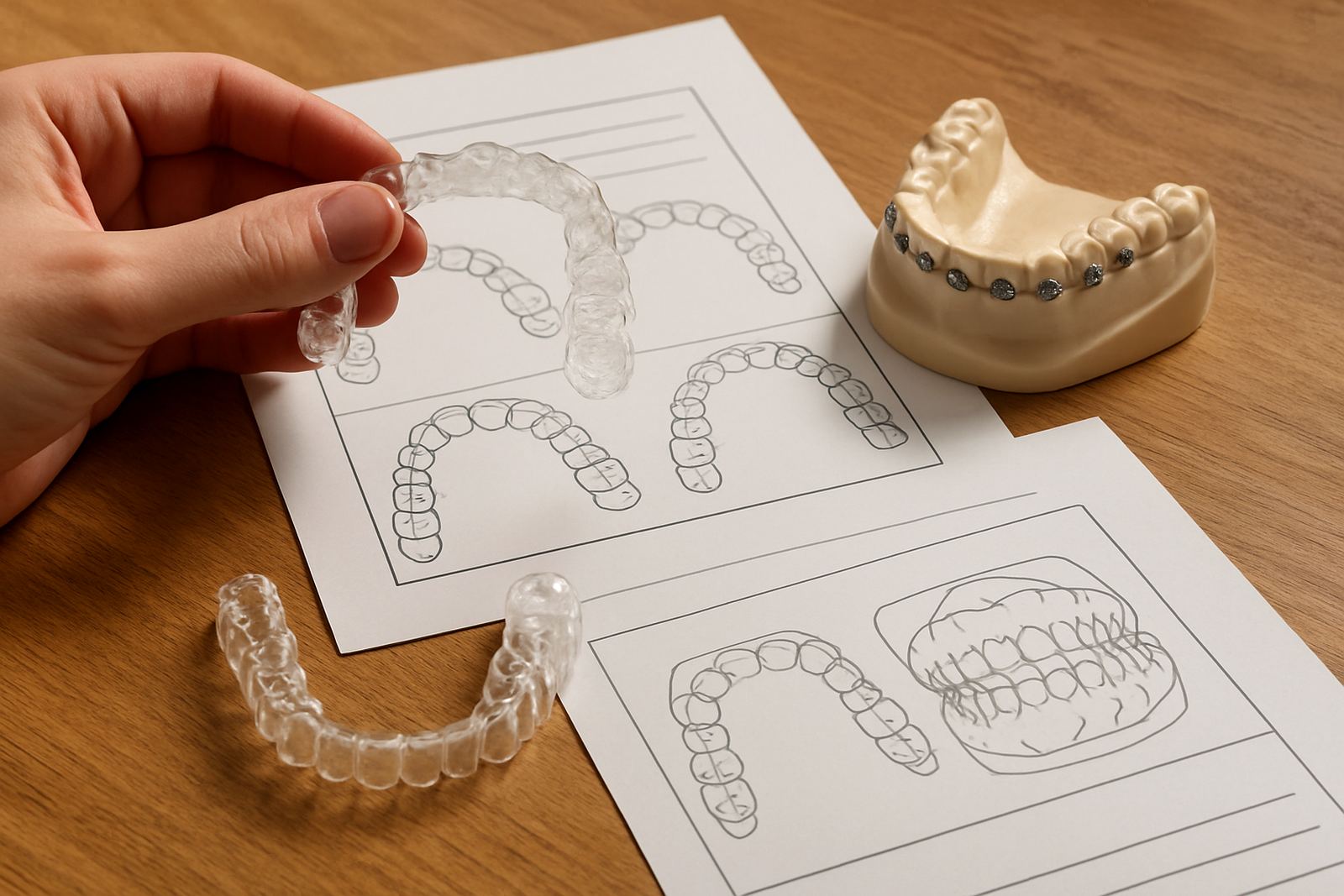
- People with braces, aligners, or crowded teeth that are hard to clean
- Adults with dry mouth from medication or medical conditions
- Patients who sip sweet drinks through the day
- Children who are still learning brushing habits and need supervision
If you are unsure, a dentist can look at your pattern of decay, your brushing habits, and even your water intake at work. In Sandton offices, long hours with coffee and snacks can add up quicker than many people expect.
What fluoride does to enamel at the surface level
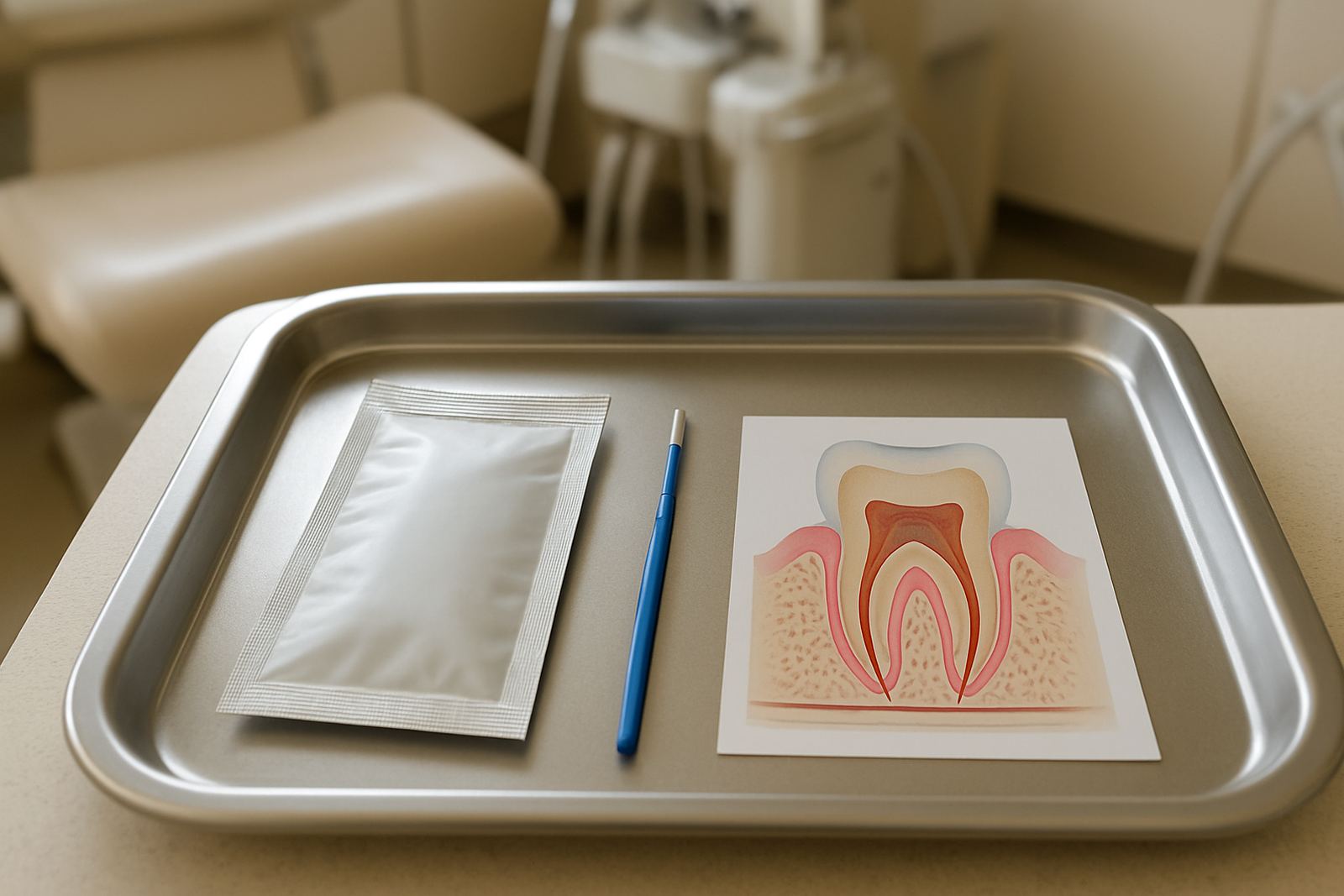
Enamel is the hardest tissue in the body, but it is not indestructible. Every time you eat or drink something acidic, minerals can be lost from the tooth surface. Fluoride helps the enamel reabsorb minerals and form a surface that is less likely to break down again.
That is why fluoride is often discussed as a preventive step rather than a rescue step. It works best before a cavity becomes deep. Once a tooth has a large hole or pain, fluoride alone will not fix it and treatment may be needed. Prevention is cheaper and less stressful, which most families appreciate.
- Helps reduce mineral loss after acid exposure
- Supports the natural repair of early weak areas
- Makes enamel less vulnerable to future attacks
- Works best when used regularly, not once in a while
Fluoride sources you may already be using
Many patients are already getting fluoride without thinking about it. The most common source is toothpaste, and for most people that is the main daily defence. Some people also use mouth rinses or receive fluoride treatment at the dental practice when needed. The right choice depends on age, decay risk, and how well home care is going.
For children, supervision matters because toothpaste should be used in the correct amount. Too much swallowing is not ideal, especially for younger children, while too little may not give enough protection. A small pea sized amount is often recommended for older children, but your dentist should guide this based on age and risk.
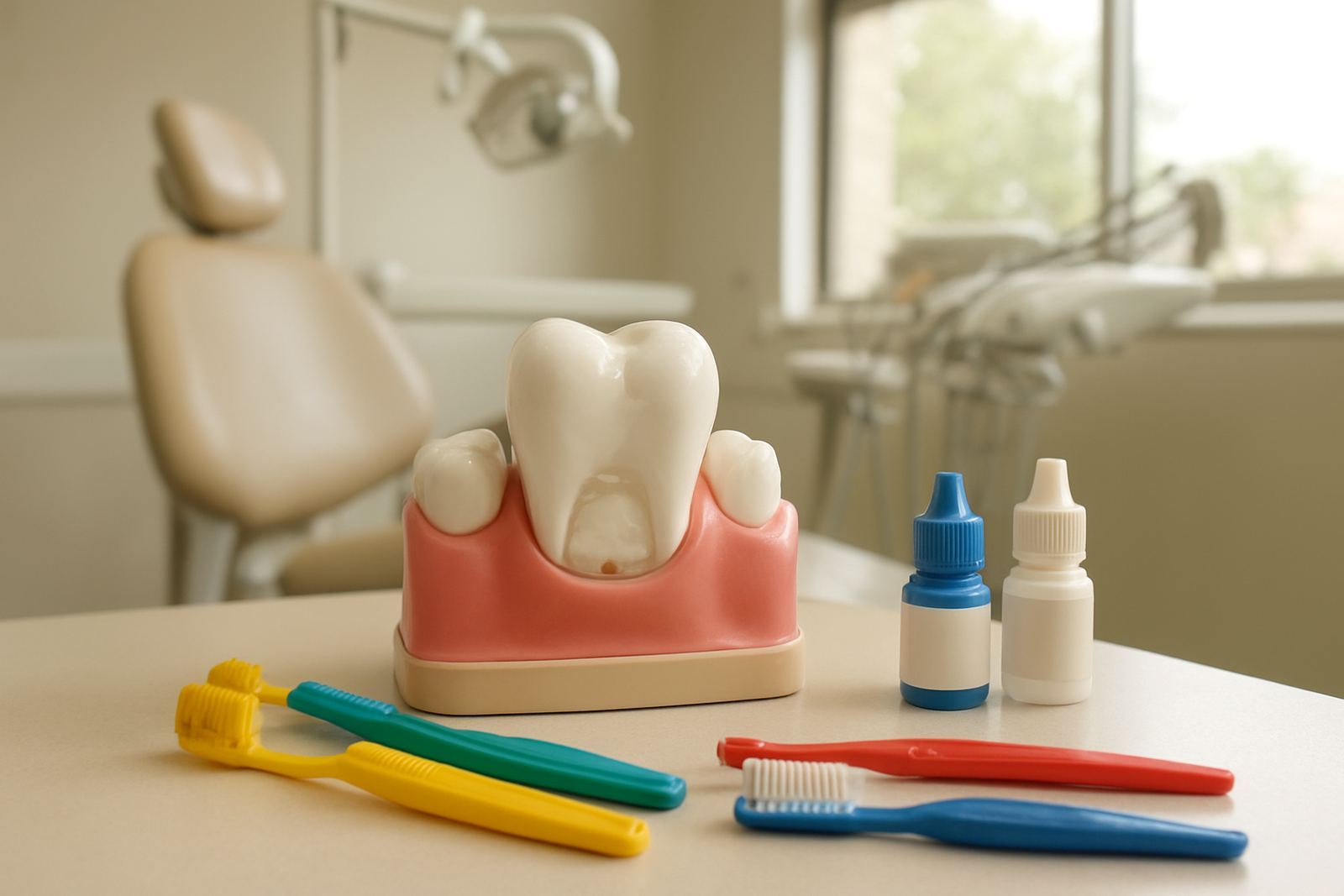
- Fluoridated toothpaste for daily brushing
- Professional fluoride applications for higher risk patients
- Fluoride mouth rinse in some home care plans
- School and diet habits that reduce sugar exposure
What Sandton patients should ask at a checkup
In a place like Sandton, where patients often balance work, school runs, gym, and traffic, dental care needs to be practical. A fluoride discussion should fit your real routine, not an ideal one. If you are travelling between Bryanston, Rivonia, Morningside, Fourways, or Rosebank, the plan should still be simple enough to keep up.
Ask whether your current toothpaste strength is right for your age and risk level, and whether you would benefit from a fluoride varnish or rinse. If you are pregnant, on medication that causes dry mouth, or noticing sensitivity near the gumline, mention that too. Small changes now can prevent a bigger repair later.
- Am I using the right toothpaste strength?
- Do I need extra fluoride because of past decay?
- Would a varnish help if my teeth are sensitive or worn?
- How often should I have preventive visits?
The practical balance: fluoride, brushing, and food choices
Fluoride works best when it sits inside a bigger prevention plan. Brush twice a day, clean between teeth, and keep sugary snacks to mealtimes where possible. If you sip cooldrinks or sweetened coffee through the day, enamel gets repeated acid hits and fluoride has to work harder. That habit can creep in without people noticing.
For some patients, the right advice is not more fluoride, but better timing and better use. Brush at night, spit out the toothpaste, and avoid rinsing hard straight after if your dentist has advised otherwise. For others, especially those with higher risk, extra support may be sensible. The point is to match the treatment to the mouth in front of you, not a generic rule.
At Techno-Dent Clinic, fluoride advice is part of a wider preventive conversation that can also include family dentistry, emergency care, and follow up planning. Dr Sibusiso Mthembu and the team look at what will actually help the patient keep their teeth cleaner, longer, and with less trouble.