
The brief from a Hyde Park retiree
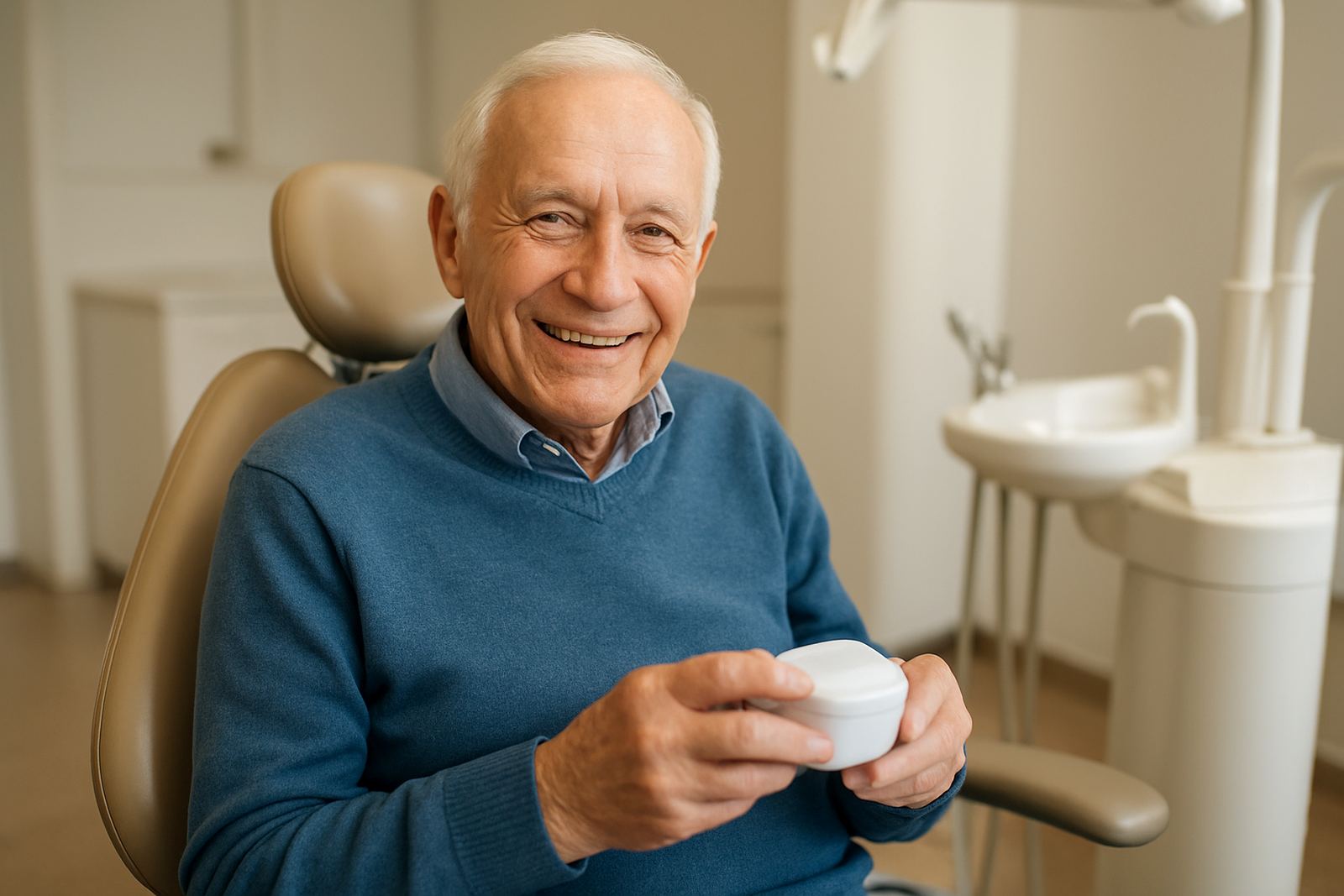
The client was a retired gentleman living in Hyde Park, Sandton, and the main concern was simple enough to state but hard to live with: the existing upper denture had become loose, irritated the gums and made meals and conversation feel uncertain. He wanted a replacement that would stay put better, sit more comfortably through the day and give him back a natural smile for family visits, church gatherings and outings around Sandton.
He was not looking for a dramatic change. What he needed was a proper fit, a clean finish and a plan that respected his routine. As is often the case with older denture wearers, the challenge was not only the appliance itself but the changes in the mouth over time, including bone resorption and a palate that no longer matched the original shape. We explained what could be improved, what would still need some adaptation, and how the first few weeks would likely feel.
- Client type: retired private patient
- Location: Hyde Park, Johannesburg
- Treatment area: upper full denture replacement
- Main goals: better retention, improved comfort, easier chewing
Clinical constraints and planning
The mouth presented a few familiar constraints. There was reduced ridge support, mild gum sensitivity and a history of denture movement during speaking, especially with longer meals. The bite needed checking carefully because even small changes in vertical height can affect comfort, the jaw joints and the way the lips rest. We also had to work around his schedule, since he preferred morning appointments and wanted the process kept as efficient as possible.
Because he lives in a busy part of Sandton and wanted dependable aftercare, we kept the plan straightforward and well staged. Digital imaging was used to record the oral structures accurately, then the fit and bite were assessed in a way that let us test function before the final appliance was completed. For a patient who has worn dentures for years, that extra checking matters. It reduces the chance of sore spots later and makes the final result feel more settled from the start.
- Clinical issues noted: reduced ridge height, loose retention, mucosal tenderness
- Planning focus: support, bite balance, speech and day-long comfort
- Appointment style: staged visits with practical home instructions
What we supplied and carried out
We provided a new upper denture with careful attention to border shape, tooth position and occlusal balance. The aim was not only a neat appearance, but a shape that would function comfortably when eating and speaking. The teeth selected gave a natural shade and size appropriate to his age, so the result looked like him and not like a new set of teeth had been dropped into place.
Our team handled the assessment, records, try-in, adjustments and post-fit checks. Dr Sibusiso Mthembu oversaw the case with support from Dr Ayesha Khan and the clinical team, while Thabo Nkosi coordinated digital imaging and Lerato Moloi managed the appointment flow and follow-up. The laboratory work was completed to a tight fit specification, with close attention to the palate extension and peripheral seal. We also gave him clear guidance on cleaning, overnight storage and the first foods to start with while the tissues adapted. It is the small details that decide whether a denture feels tolerable or actually useful.
- Upper full denture replacement
- Custom fit for improved retention and bite balance
- Natural tooth shade and shape selection
- Home care and adaptation instructions provided
Timeline from first visit to final fit
The case ran over three weeks from first consultation to final aftercare review. Week one was the examination, records and discussion of the expected outcome. Week two was the try-in and bite confirmation, where we checked comfort, speech and tooth position before completion. Week three was the final fit, pressure point adjustment and early follow-up, which is often where the real value of careful planning shows.
That timeline suited the patient because he did not want a drawn-out process, but he also did not want to be rushed. In practice, dentures need a short settling period. We explained that initial awareness of the appliance is normal, and that a few minor adjustments may be needed as the gums adapt. He was reassured that if any rubbing, clicking or looseness appeared, he could come back quickly rather than struggle at home. A short gap between visits also helped us see how the denture behaved under normal use, not just in the chair.
- Week 1: consultation and oral records
- Week 2: try-in and bite verification
- Week 3: final fit and review
Results in daily use
The outcome was a noticeable improvement in fit, comfort and confidence. The denture seated more securely, the speech pattern sounded clearer and he reported a better experience with meals that had previously been a problem. He also felt more comfortable smiling in social settings, which was an important part of the brief. For a retiree, that confidence carries through the whole day, from breakfast at home to tea with friends or an evening function.
Importantly, the result was not just about appearance. Better retention reduced the need for constant repositioning, and improved balance lowered the chance of sore spots forming during longer wear. He found the new denture easier to clean and simpler to manage overnight. The changes were modest in the way good dentistry usually is, but they made a clear difference in daily life. He said chewing felt steadier and that he no longer worried about the plate shifting when he spoke.
- Improved retention through the day
- More comfortable fit on the upper ridge
- Better speech clarity and chewing confidence
- More natural appearance in the smile line
What we would do again for a similar case
If we were handling a similar Hyde Park denture replacement again, we would follow the same approach: listen closely to the daily problems, record the mouth carefully and allow enough time for a proper try-in. Older denture cases often reward patience more than speed. A good outcome depends on fit, bite and follow-up, not only on the final appliance itself.
We would also keep the aftercare conversation practical. Patients do best when they know what is normal in the first few days, when to return, and how to clean the denture without damaging it. For retirees especially, that reassurance matters because it reduces worry and helps them settle into the new appliance faster. The success here came from clear communication, accurate work and realistic expectations. Simple things done well still make the biggest difference.
- Take accurate records before fabrication
- Use a try-in visit to check comfort and speech
- Schedule early review after fitting
- Give simple home care and cleaning guidance
Key facts
| Project location | Hyde Park, Johannesburg |
|---|---|
| Client type | Retired private patient |
| Treatment | Upper full denture replacement |
| Timeline | 3 weeks from consult to final review |
| Key outcome | Better fit, comfort and confidence |
| Follow-up | Fit check, pressure adjustment and home care guidance |