
What preventive care covers at our Sandton clinic
Preventive care is built around routine examinations, professional cleanings and spotting changes early. We look at teeth, gums, bite function, worn fillings, enamel wear, plaque build-up and early signs of gum disease or decay. For many patients, this is the most important part of long term dental care because small problems are managed before they become painful or expensive.
At Techno-Dent Clinic, preventive visits are not rushed. Dr Sibusiso Mthembu and the team check what is happening now and what could change over the next 6 to 12 months. That includes lifestyle factors such as frequent coffee or tea, dry mouth from medication, grinding, sports injuries and diet patterns that affect teeth. If you live or work in Sandton or nearby areas, we can help you stay ahead of those issues with a schedule that fits your routine.
- Full oral examination and soft tissue check
- Gum assessment and plaque scoring
- Scale and polish to remove build-up
- Fluoride or protective advice where needed
- Early review of cracked teeth, wear or bite changes
Your preventive visit step by step
Most preventive appointments follow a clear process. We start with a short discussion about any sensitivity, bleeding gums, pain, brushing concerns or changes since your last visit. This helps us focus on the right areas and avoid missed details. If you have not seen a dentist in a while, that is completely fine, we simply begin from where you are now.
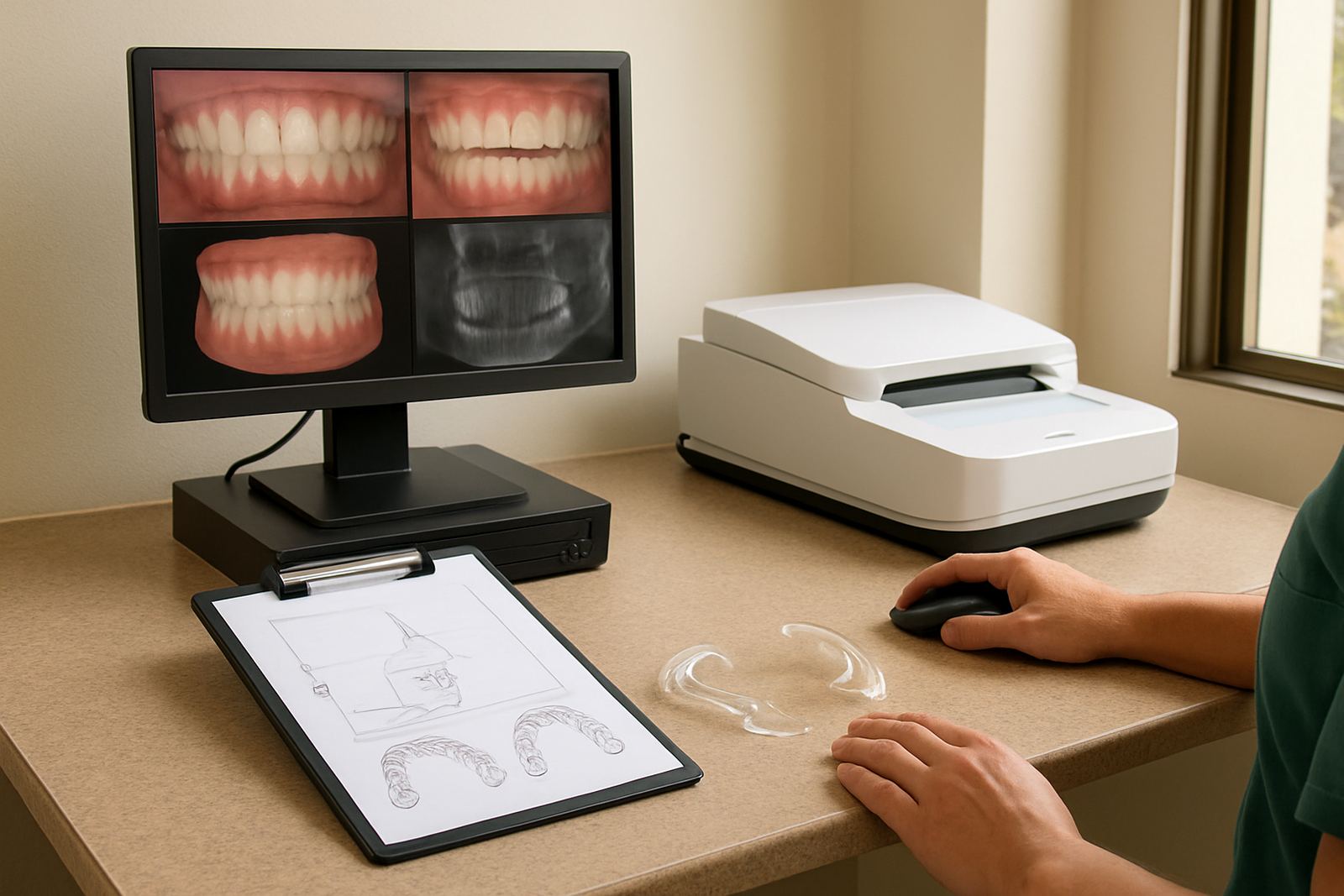
Next comes the examination. We check the teeth, gums, tongue, cheeks and jaw function. If required, we may recommend digital imaging to look for decay between teeth, root issues or bone changes that are not visible during a basic exam. After that, the cleaning removes tartar and stubborn plaque from around the gumline and between teeth, which is important in Sandton patients who are prone to stress related grinding or dry mouth.
- Review of symptoms and medical history
- Clinical examination and screening
- Cleaning and polish
- Advice on brushing, flossing and interdental cleaning
- Follow-up plan if any treatment is needed
If we find a concern, we explain it plainly and tell you whether it needs monitoring, a minor repair or a separate treatment appointment. You leave with a practical plan, not guesswork.
How long it takes and when you will be seen
A standard preventive appointment usually takes about 30 to 60 minutes, depending on whether it is a first visit, a routine recall or a deeper clean. New patients often need a bit more time because we take a fuller history and establish a baseline. If you have sensitive gums or a lot of build-up, we allow extra time so the visit stays comfortable.
Turnaround is quick for routine care. In many cases, you can have your check-up, cleaning and feedback in one visit. If further imaging or treatment planning is needed, we aim to explain the next step before you leave. This helps busy families and working patients from Fourways, Morningside and Rosebank avoid repeated trips when they are not necessary.
For children, teens, adults and older patients, preventive care is usually scheduled at intervals of 6 months. Some patients need 3 to 4 monthly review visits, especially if they have gum disease, orthodontic appliances, implants, diabetes or a history of frequent decay. Others with very stable oral health may be seen once a year, but only if the dentist feels that is appropriate.
Maintenance intervals that protect your teeth
Good preventive care is not a once off event. It works best when the mouth is checked often enough to catch change early. The right interval depends on gum health, cleaning habits, smoking, medication, dietary sugar intake and whether you have crowns, implants or braces. We will not place everyone on the same recall cycle because dental needs are different from person to person.
Most patients do well with a twice yearly visit, but there are clear cases where more frequent maintenance is needed. Patients with bleeding gums may need shorter recall intervals until the gums settle. Orthodontic patients often need more careful plaque control because brackets and wires trap debris. Implant patients also benefit from regular monitoring around the gumline to reduce the risk of inflammation.
- Low risk patients: every 6 to 12 months
- Moderate risk patients: every 4 to 6 months
- Gum disease maintenance: every 3 to 4 months
- Orthodontic care support: as advised during active treatment
- Implant review: regular checks as part of aftercare
We also talk through home care tools that suit your mouth, including soft brushes, interdental brushes and fluoride products where needed. Consistent habits matter more than expensive products.
Pricing approach and what affects the fee
Preventive care is priced according to the time needed, the level of cleaning required and whether additional diagnostics are part of the visit. A routine examination with a standard clean is generally more affordable than treatment for active gum inflammation or extensive tartar build-up. We keep pricing transparent and explain the expected cost before treatment goes ahead.
If extra steps are required, such as digital imaging, periodontal charting or a longer debridement session, we will tell you why and how it affects the fee. Payment guidance is available if you want to plan treatment in stages. For families, we can also help you prioritise who needs to be seen first when several people are due for routine care.
Our aim is to prevent bigger costs later. A timely cleaning and early intervention can reduce the need for fillings, root canal treatment, gum therapy or urgent repairs. For many patients, that makes preventive visits one of the best-value parts of dental care.
Why patients across Sandton choose regular prevention
Patients from Sandton, Bryanston, Rivonia, Morningside, Fourways and Rosebank often come to us because they want practical care they can keep up long term. Preventive dentistry works best when the team knows your history, what has been stable and what needs watching. That continuity matters if you are managing old fillings, sensitive necks of teeth, clenching, or a family history of gum disease.
Our practice is set up for comfortable routine care with attention to detail. We keep the visit clear, calm and focused on preserving your natural teeth for as long as possible. If we see something small today, we act early rather than waiting for pain or swelling to appear later.
To book preventive care, contact Techno-Dent Clinic in Sandton on our contact form. We will help you choose the right interval and make a plan that suits your oral health and your schedule.
Key facts
| Service type | Preventive dental care |
|---|---|
| Core inclusions | Examination, professional cleaning, gum assessment, early intervention |
| Typical visit length | 30 to 60 minutes |
| Recommended interval | Every 6 months for many patients, shorter if needed |
| Patient groups | Children, teens, adults and older patients |
| Location | Sandton, Johannesburg with nearby patient areas covered |