
What We Check Before Treatment Starts
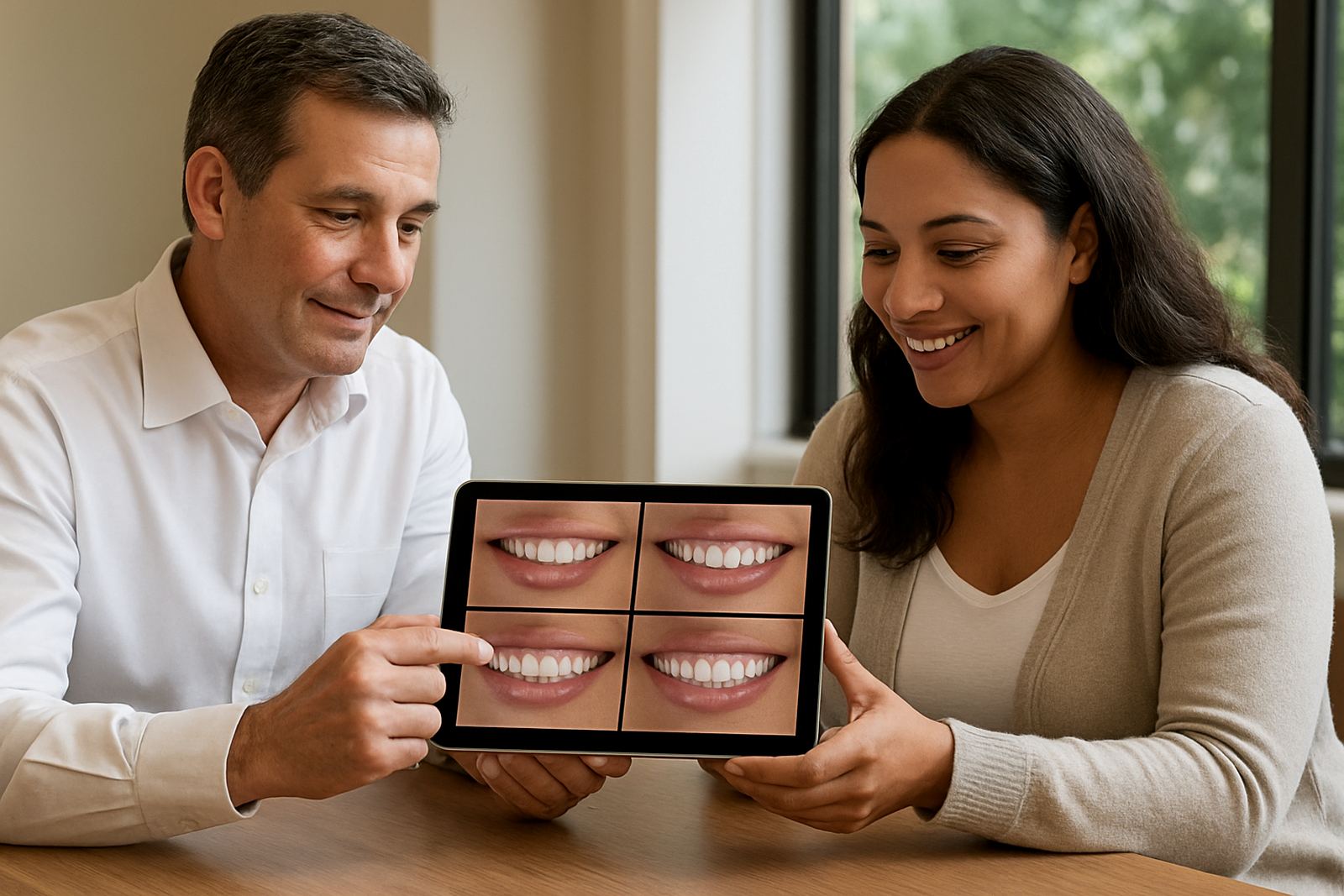
An orthodontic assessment is the first step before any braces or aligner treatment. We look at the way your teeth line up, how your upper and lower jaws meet, and whether the bite is balanced when you chew and speak. This is important for children, teenagers and adults, because crowding or spacing can affect cleaning, wear, jaw comfort and the final smile result.
During the visit, we assess tooth rotation, overbite, overjet, crossbite, open bite, midline shift and arch width. We also check for missing teeth, retained baby teeth, worn edges and gum health. If you are coming from Sandton, Bryanston, Rivonia, Morningside, Fourways or Rosebank, the appointment is planned to be practical and efficient, with enough time to answer questions properly.
- Crowding and spacing measurements
- Bite relationship and jaw fit
- Tooth wear, shifting and rotation
- Gum and cleaning considerations
- Suitability for braces or aligners
How The Assessment Appointment Works
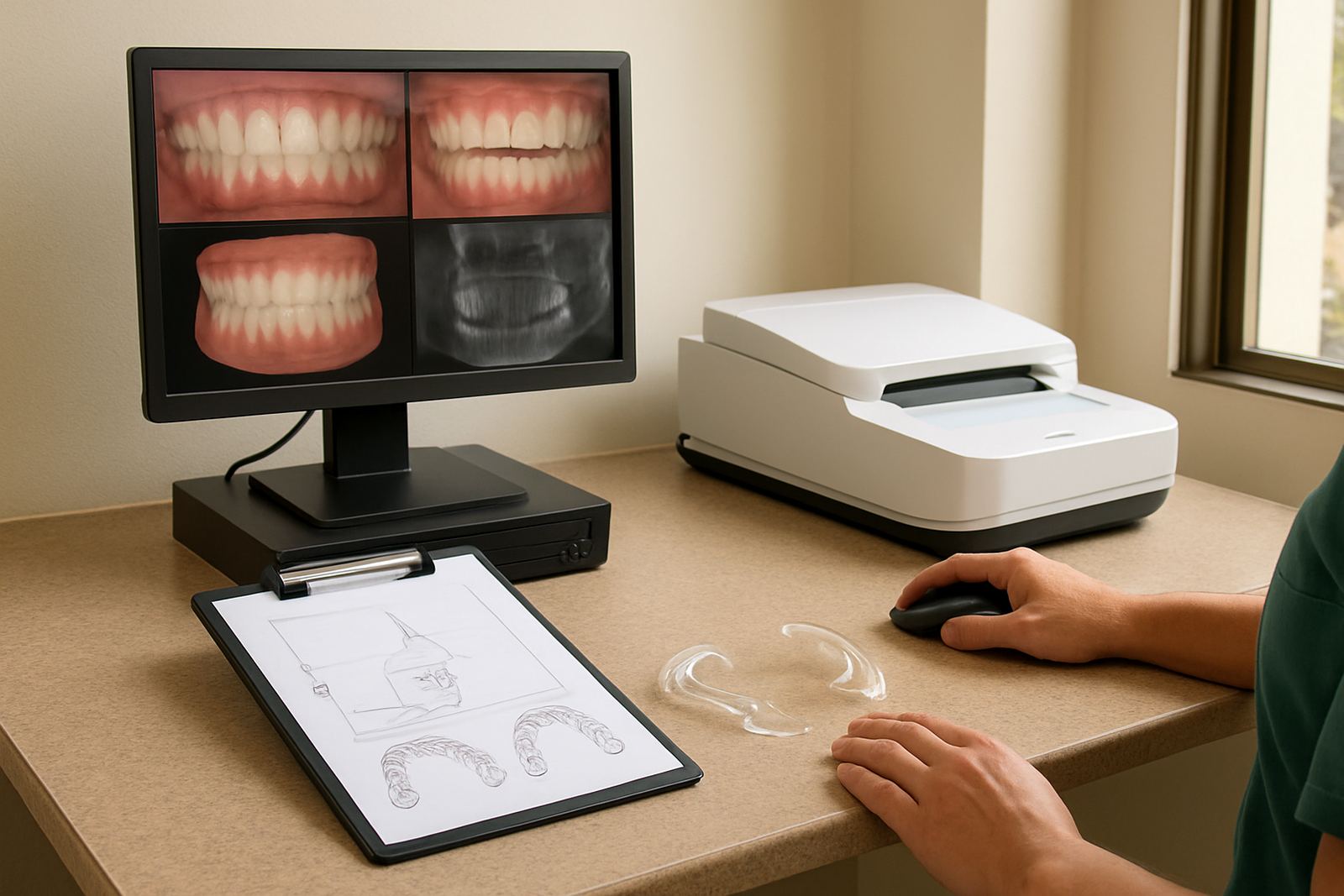
The process usually starts with a consultation and oral examination. Dr Nandi Dlamini and the clinical team review your concerns, such as front tooth crowding, gaps, bite problems or teeth that have moved after earlier treatment. We then take the records needed for planning, which may include intraoral photographs, digital scans and selected X-rays where indicated. For some patients, a full discussion can be done in one visit, while others need records reviewed before a final recommendation is made.
We keep the appointment calm and straightforward, especially for younger patients or anyone who is nervous. If sedation options are needed for related dental work later, that can be discussed after the assessment. For treatment planning, we explain whether you may need a simple aligner case, fixed braces, extra space creation, tooth removal in limited situations, or a referral for additional dental work first.
- Initial consultation and bite review
- Digital scan or impressions where needed
- Photographs and X-rays if clinically required
- Case discussion and treatment options
- Next-step plan and timeline guidance
Records, Measurements And Digital Planning
Orthodontic assessments rely on accurate records. At Techno-Dent Clinic, digital imaging helps us measure teeth and bite relationships with precision, so treatment planning is based on actual tooth positions rather than estimates. This is useful for cases with limited space, asymmetry or bite concerns that are not obvious in a quick look.
Typical records may include 3D scans, bite photographs, front and side facial images, and X-rays to check roots, eruption patterns and the supporting bone. For adults with prior fillings, crowns or missing teeth, the records help us plan around existing dental work. In some cases, we coordinate with implant or cosmetic planning where the orthodontic result needs to work with a longer term smile plan. The scan appointment usually takes 20 to 40 minutes, depending on complexity and co-operation. A full review can then be completed once records are checked by the dentist.
- Digital scans for tooth position and arch shape
- Face and bite photographs for comparison
- X-rays for roots, bone and eruption checks
- Space analysis for crowding or spacing
- Planning notes for braces, aligners or referral
Turnaround Time And When You Get Feedback
For straightforward cases, feedback may be given on the same day after the examination and records are reviewed. More detailed planning can take a few working days, especially where multiple treatment paths need to be compared. If your case is complex, such as significant crowding, impacted teeth or bite issues involving both jaws, we may ask for additional records before giving a final recommendation.
Patients often want to know how soon treatment can begin. That depends on gum health, any cavities needing attention, and whether spacing needs to be created first. In practical terms, some treatment can start shortly after the assessment, while other cases need dental clean-up or extra visits before braces or aligners are fitted. We will give a clear outline so you know what happens next and what can wait.
- Simple cases: same-day discussion possible
- Detailed planning: a few working days
- Complex bite cases: may need extra records
- Treatment start depends on dental readiness
- Clear timeline given before you commit
Pricing Approach And Payment Guidance
We keep orthodontic assessment pricing clear and case-based. The fee depends on whether the appointment is a consultation only, or whether it includes digital records, scans, photographs and X-rays. If you are visiting for a second opinion, we can often review existing records where clinically suitable, which may reduce the amount of repeat imaging needed. The aim is to give you a fair cost upfront, with no confusion about what is included.
Because orthodontic care is usually a staged process, we also explain the likely treatment pathway and maintenance needs before anything starts. Payment guidance is available for families planning for braces, adult aligner treatment or combined dental work. If your case needs preventive care first, we will say so clearly, because a healthy mouth gives better orthodontic results and fewer delays.
- Assessment fee depends on records required
- Existing records may be used where suitable
- Clear treatment estimate before starting
- Payment guidance available for planned care
- Additional dental work quoted separately if needed
Maintenance Visits And Who The Service Suits
Orthodontic assessments are useful before braces, clear aligners, retreatment after earlier orthodontics, and cases where teeth have moved over time. Children with early crowding may need monitoring every 6 to 12 months, while active treatment patients usually need reviews every 4 to 8 weeks once treatment is underway. Adults with minor spacing or relapse may only need a planning appointment and periodic checks, depending on the plan. We prefer to set the interval based on the actual bite and not a fixed schedule for everyone.
Maintenance matters because teeth continue to move, especially after gum changes, missing teeth or wisdom tooth pressure. If you live or work in Sandton and nearby areas, regular follow-up is easier to keep on top of. Our team also helps with aftercare instructions so you know how to clean around appliances, what to expect after adjustments, and when to return if something feels loose or uncomfortable. A small issue caught early is usually easier to manage than one left for months.
- Children: monitor growth and tooth eruption
- Teens: plan braces or aligners at the right stage
- Adults: assess crowding, spacing or relapse
- Active treatment: reviews every 4 to 8 weeks
- Long-term retention advice given after planning
Key facts
| Service type | Orthodontic assessment and treatment planning |
|---|---|
| Main concerns checked | Crowding, spacing, bite relationships and tooth alignment |
| Records used | Digital scans, photographs and X-rays where required |
| Typical appointment length | 30 to 60 minutes |
| Review timing | Same day for simple cases or a few working days for detailed planning |
| Follow-up interval | Every 4 to 8 weeks during active orthodontic treatment, or 6 to 12 months for monitoring |