What Implant Planning Covers
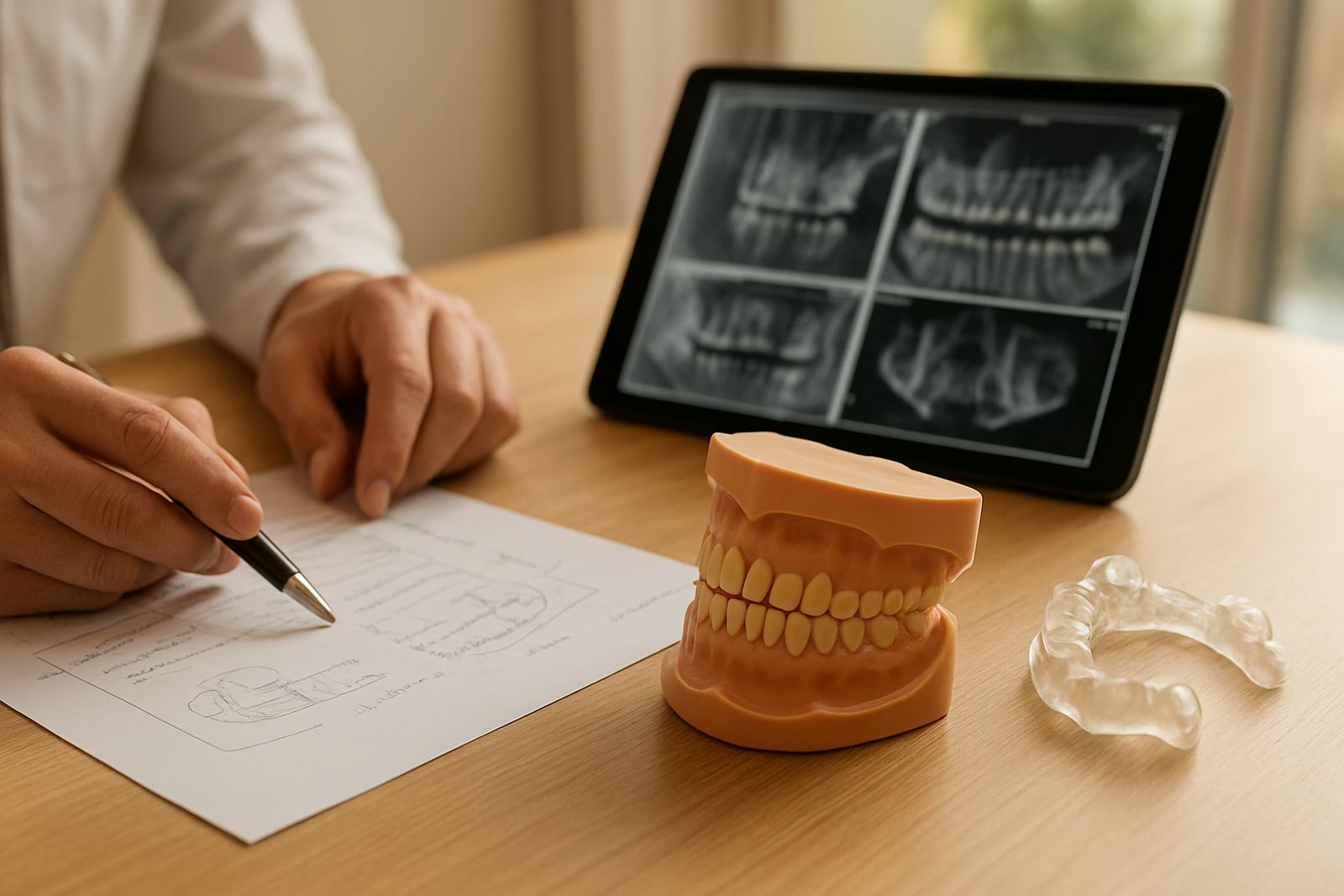
Implant planning is the appointment stage where we check whether a dental implant is suitable and map the exact position, angle and depth for treatment. It is the part that helps reduce surprises later, especially where bone levels, gum health or bite forces need careful assessment.
At our Sandton base, planning is done for patients from Bryanston, Rivonia, Morningside, Fourways and Rosebank as well as surrounding Johannesburg suburbs. The appointment is suitable for single-tooth replacement, multiple missing teeth and full-arch cases, including patients who have had old bridges or dentures for years and now want a fixed solution.
We look at the full picture, not just the gap. That includes neighbouring teeth, jaw relationship, available space, gum thickness and how you clean around the area. If the mouth needs preparatory care first, we explain that clearly before any surgery is booked.
- Clinical examination of the mouth, gums and bite
- Digital scans and imaging records for planning
- Review of medical history and medication use
- Space assessment for the final tooth or teeth
- Discussion of timelines, risks and aftercare
How We Plan the Implant Case
The process usually begins with a consultation and an exam. We then take digital records, which may include a 3D scan, intraoral images and bite registration. These records help us measure available bone volume and check how the upper and lower teeth meet when you chew.
For many cases, the first planning appointment takes about 30 to 60 minutes. More involved cases may need a second review once imaging has been assessed. If a tooth needs to be removed first or the gums need treatment, we will build that into the sequence so the implant site is ready at the right time.
Patients often want to know how many visits are involved. Simple cases may need two planning visits before treatment begins, while more complex mouth rehabilitation can take longer. We give you a straight answer on what is needed and what can be done in stages.
- Step 1: Examination and medical review
- Step 2: Digital records and bite analysis
- Step 3: Treatment options and sequencing
- Step 4: Timing for surgery, healing and restoration
- Step 5: Review visit if changes are needed
Technology, Measurements and Case Specifications
Good planning depends on accurate measurements. We use digital tools to record the size of the space, gum contours and bite contacts. This helps us select implant position and assess whether any preparatory procedures are required, such as bone grafting, site development or temporary tooth replacement.
Typical planning specifications may include implant site width, available height, soft tissue thickness and spacing from adjacent roots. In everyday terms, we are checking whether there is enough room for the implant and the crown above it, with enough clearance for proper cleaning. The final plan also considers whether the bite is heavy, whether you grind your teeth and whether a night guard may be needed after treatment.
For patients who are anxious, we can also discuss sedation options where appropriate. That conversation happens during planning so there is enough time to prepare safely. If the case is straightforward, a plan can often be turned around quickly, but if more records or coordination with other treatment are needed, we will say so before you commit.
- Digital scan records for space and bite evaluation
- 3D assessment of bone and nearby anatomical structures
- Colour and shade notes for the final restoration
- Cleanability checks around the proposed implant position
- Occlusion review for wear, grinding or heavy bite forces
Turnaround Times and What Happens Next
After your records are taken, planning feedback is usually available within a short turnaround, depending on how complex the case is and whether extra inputs are needed. Straightforward implant planning may be discussed soon after the imaging review, while cases involving multiple implants, grafting or bite correction take longer.
Once the plan is confirmed, we explain the order of treatment, expected healing periods and when the restorative stage can begin. That may include implant placement, a healing phase and then the final crown, bridge or denture attachment. If another dentist is involved in parts of the case, we coordinate the information so there is no confusion about sequence.
We also talk about practical points such as time off work, eating guidance after surgery and how to manage appointments around school runs, meetings or travel. For Sandton patients, that can make the difference between delaying treatment and getting started with a plan that fits real life.
- Simple planning: often discussed after one main records visit
- Moderate cases: may need additional review or measurements
- Complex cases: staged planning with sequence notes and timelines
- Urgent planning: emergency dentistry support where pain or infection is present
Pricing Approach and Payment Guidance
Implant planning is priced according to the amount of clinical time, imaging required and the complexity of the case. A single implant site is not priced the same as a full-mouth plan, because the records, review time and coordination are very different. We keep the pricing approach clear so you know what is included before treatment starts.
The planning fee may cover the consultation, scan records, bite analysis and the treatment discussion. If additional diagnostic steps are needed, such as extra views or repeat records, we will explain that separately. Where treatment will happen in stages, we can also talk through payment guidance so you can budget sensibly across appointments.
Many patients prefer to understand the full pathway before they book surgery. That is sensible. A proper plan helps reduce the chance of avoidable extras later, especially when there are gum issues, missing back teeth or old dental work that needs replacing first.
- Clear upfront fee structure for planning appointments
- Separate costing for added diagnostics or staged treatment
- Guidance on payment timing across the treatment phases
- Explanation of what is included and what is billed separately
Maintenance After Planning and Before Treatment
Planning does not end the conversation. If you are waiting for treatment, we may recommend preventive care visits so the gums stay healthy and the mouth is in good condition before implant placement. That matters because active gum disease, uncontrolled plaque build-up or repeated infection can affect outcomes.
For ongoing cases, review intervals depend on the treatment sequence. Some patients are seen again within weeks, while others return after a healing period or once another procedure has been completed. After the implant is placed and restored, routine maintenance is usually needed at regular intervals to check the implant, bite and surrounding tissues.
We generally advise patients to stay on a practical recall pattern rather than waiting until something feels wrong. That may mean reviews every 6 to 12 months, with earlier follow-up if you have a history of gum problems, diabetes, smoking, heavy bite forces or difficulty cleaning around back teeth.
- Pre-treatment hygiene and gum health checks
- Review visits during staged implant cases
- Post-restoration maintenance on a 6 to 12 month cycle
- Earlier recalls if there is soreness, swelling or bite change
Key facts
| Location | Sandton, Johannesburg |
|---|---|
| Planning visit time | About 30 to 60 minutes for many cases |
| Records used | Digital scans, bite analysis, clinical exam |
| Case types | Single tooth, multiple teeth, full-arch planning |
| Turnaround | Same-day to staged review depending on complexity |
| Review interval | Usually every 6 to 12 months after restoration |